WAAR Real Estate

    Markets, Capital and
    the Value of Design

    Analysis of the residential and commercial markets shaping the built environment — pricing, capital flows, regulation and the design decisions that carry a premium.

    +6.8%

    Dubai prime price growth 2025

    +21%

    Riyadh residential transactions

    3.4%

    London prime yields

    790+ schemes

    Global branded residences

    Pricing

    Where prime values are moving, and what is driving them.

    Development

    Pipelines, delivery risk and the economics of tall buildings.

    Policy

    Escrow rules, ownership reform and cross-border capital.

    New in This Issue

    WAAR Long Reads

    LuxuryProperty.com Sets Its Sights on Sri Lanka: Jason Hayes on Global Real Estate, Architecture and the Future of Luxury Investment

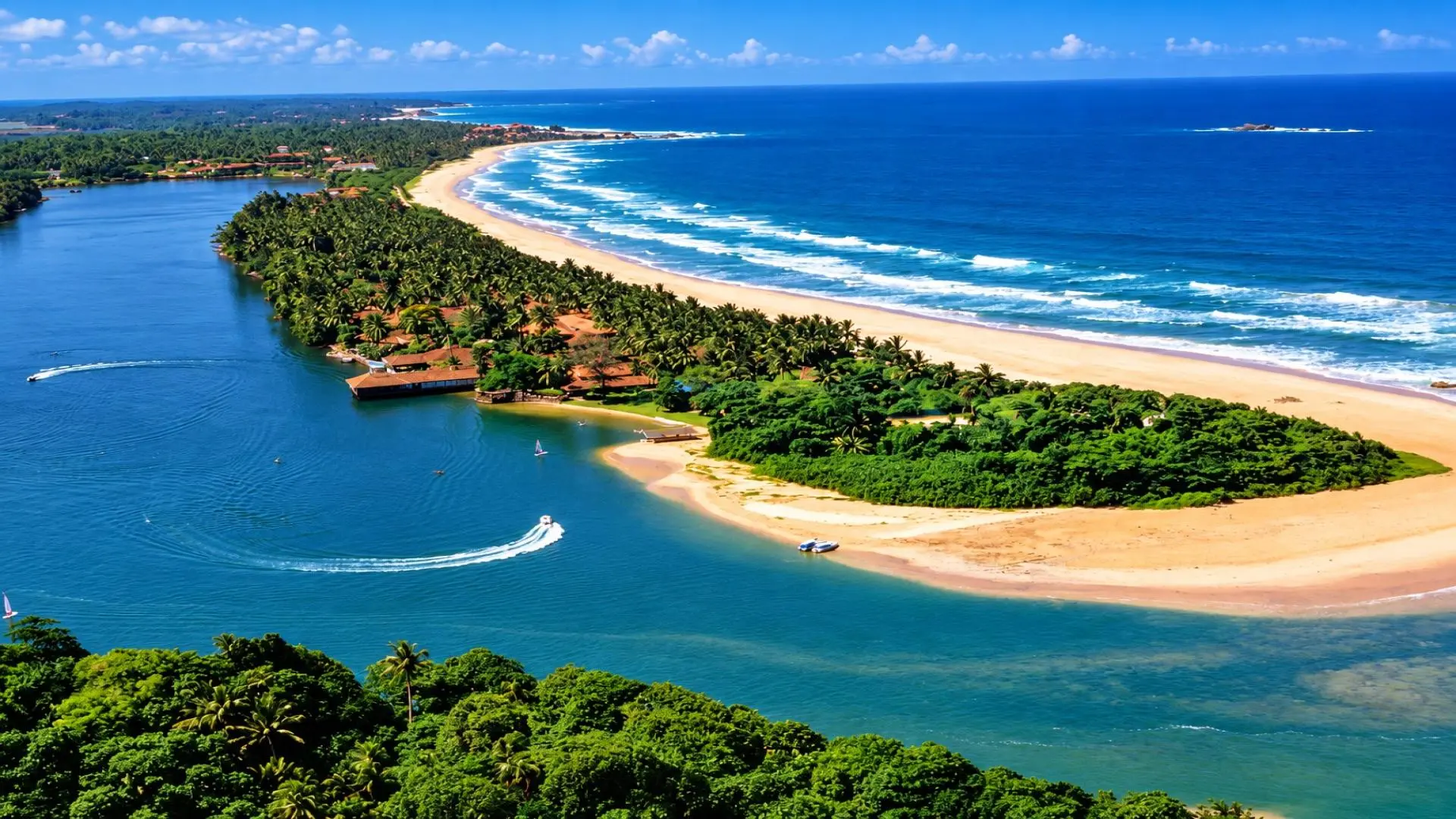
    Sri Lanka's Indian Ocean coastline: a rare combination of natural diversity, heritage and hospitality appeal underpins the island's luxury property case. Image supplied to WAAR.
    LuxuryProperty.com Sets Its Sights on Sri Lanka: Jason Hayes on Global Real Estate, Architecture and the Future of Luxury Investment — additional view

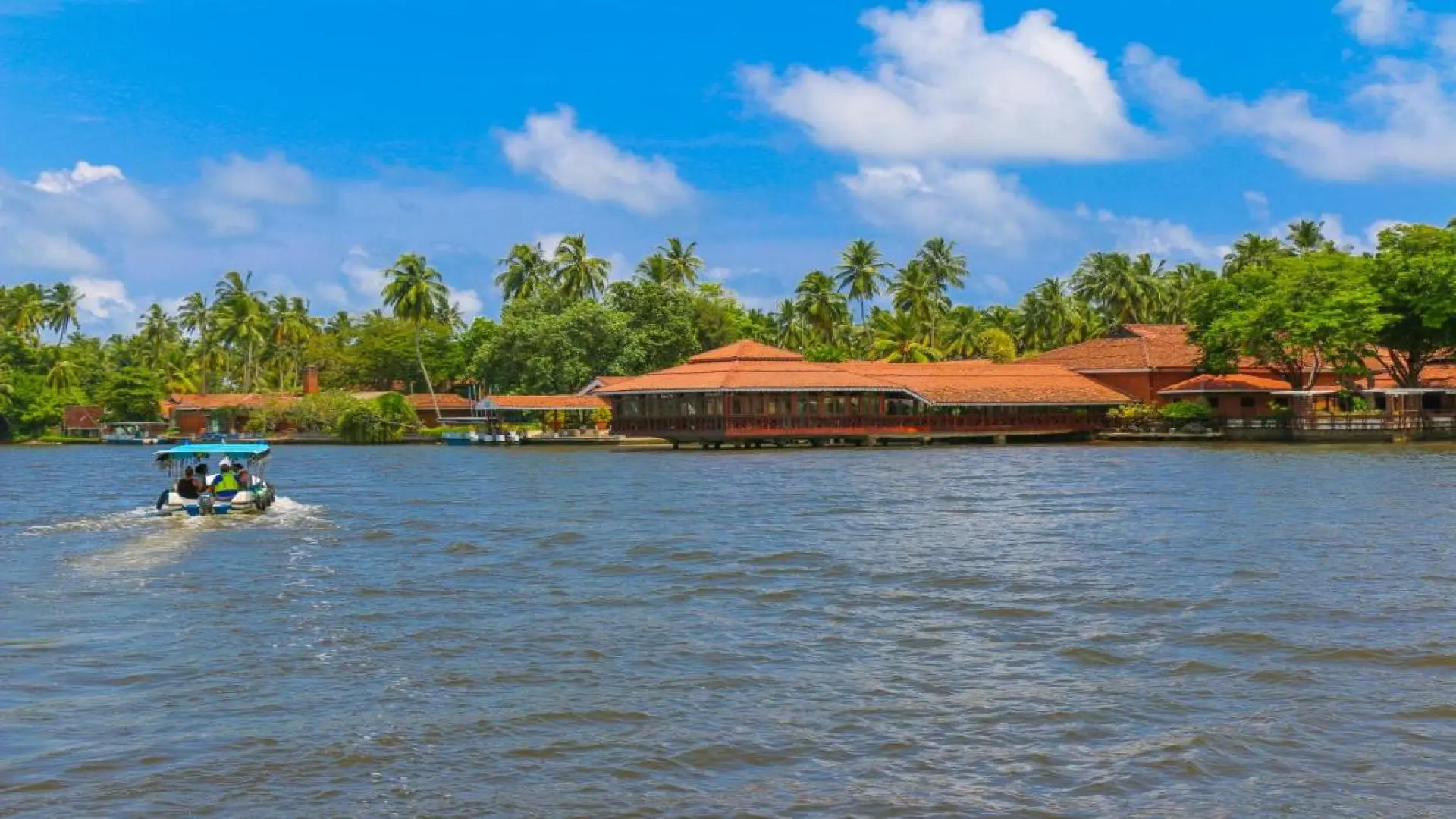
    Beachfront resort on a rare peninsula site in Bentota, Sri Lanka.

    Real Estate · Architecture · Hospitality · Global Investment

    LuxuryProperty.com Sets Its Sights on Sri Lanka: Jason Hayes on Global Real Estate, Architecture and the Future of Luxury Investment

    WAAR Editorial · 8 min read

    Sri Lanka occupies a distinctive position in the global luxury real estate landscape. Its Indian Ocean coastline, extraordinary natural diversity, architectural heritage and established hospitality appeal offer the foundations for a compelling international property destination. Yet the country's finest real estate opportunities have not always received the global visibility enjoyed by more established luxury markets.

    LuxuryProperty.com intends to help change that.

    On 5 October 2026, the Dubai-based global luxury real estate platform announced a strategic partnership with Sri Lankan property entrepreneur Sabina Karunanayake, who will lead its expansion into the country as Country Head – Sri Lanka. The initiative is designed to establish a two-way international property platform, connecting Sri Lankan developments and property owners with international buyers while giving Sri Lankan clients access to prime markets including Dubai, London and New York.

    The strategy extends beyond the conventional brokerage model. LuxuryProperty.com plans to work with selected developers, property owners and investors across luxury residences, beachfront properties, branded developments, land and selected investment opportunities. Its wider ambition is to strengthen the connection between Sri Lankan real estate and international capital, expertise and demand.

    For founder and chairman Jason Hayes, the expansion also carries a personal dimension. Having spent part of his childhood in Sri Lanka, he describes a longstanding affection for the island and a conviction that its real estate deserves greater international recognition.

    Karunanayake brings experience spanning luxury real estate development, hospitality, marketing and investor relations. She is a co-founder, shareholder and Executive Director of Serenia Limited, the developer behind the Radisson Collection Resort Galle in Talpe — a beachfront development the company values at US$50 million, comprising 108 hotel keys and 40 branded residences.
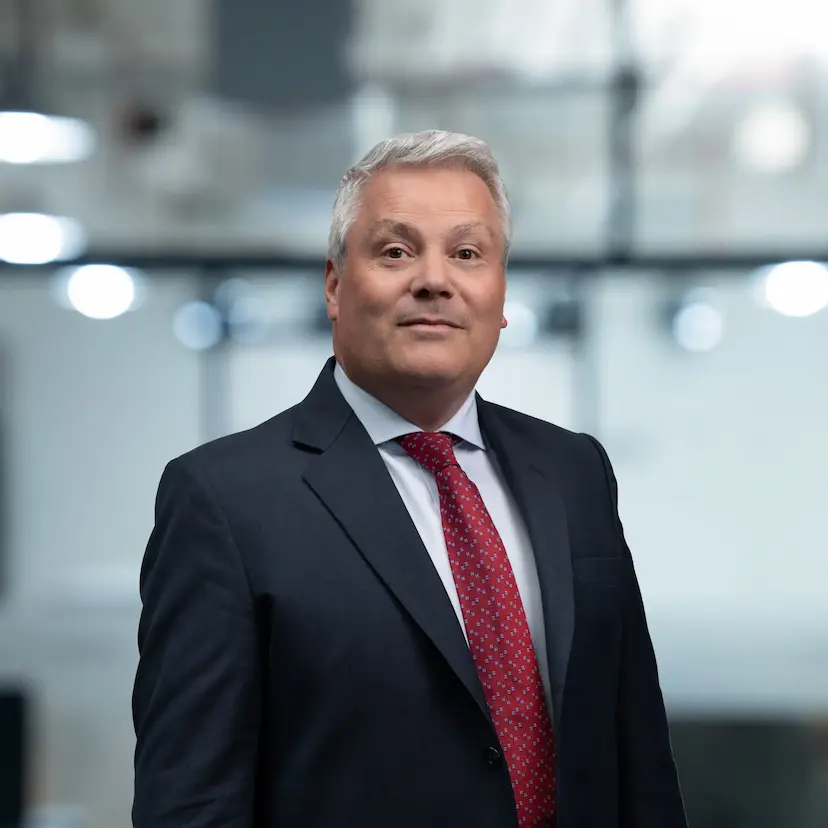

    Jason Hayes
    Jason HayesFounder & Chairman, LuxuryProperty.comHayes spent part of his childhood in Sri Lanka and describes the expansion as a return as much as a strategy. Portrait supplied to WAAR.
    Sabina Karunanayake
    Sabina KarunanayakeCountry Head – Sri Lanka, LuxuryProperty.comKarunanayake brings experience across luxury development, hospitality, marketing and investor relations. Portrait supplied to WAAR.

    THE PARTNERSHIP

    For WAAR, the partnership opens a wider conversation about the relationship between architecture, development quality, international investment and the positioning of emerging luxury destinations. In the following interview, Hayes shares his outlook for Sri Lanka, the role of technology in cross-border property transactions, and his vision for the next five years.

    01 · SRI LANKA'S GLOBAL REAL ESTATE POTENTIAL

    What distinguishes Sri Lanka's luxury real estate market from other international destinations, and which types of properties or developments do you believe have the greatest potential to attract international buyers and investors?

    “By nature I have a very positive mindset, and I am enormously optimistic about Sri Lanka. I genuinely believe it represents one of the most exciting emerging opportunities in the international luxury property market — and, importantly, one that has yet to realise its full potential on the global stage.

    “What makes Sri Lanka so compelling is its people, coupled with the extraordinary combination of natural beauty, cultural heritage, geographical diversity and, of course, the value proposition. There are very few destinations where you can enjoy magnificent Indian Ocean beaches, spectacular hill country, world-class wildlife, historic architecture and an increasingly sophisticated hospitality offering, all within one relatively compact country.

    “From an international investment perspective, I see particularly strong potential in luxury beachfront residences, boutique hotels, exclusive resort developments, branded residences and thoughtfully designed private estates. Hospitality assets are especially interesting because Sri Lanka has the foundations to establish itself as one of Asia's truly exceptional luxury tourism destinations.

    “For me, the opportunity is not simply about attracting international capital. It is about positioning Sri Lanka alongside the world's most desirable destinations and ensuring that its exceptional properties receive the international recognition and exposure they deserve. I believe the next decade could be transformational for Sri Lankan luxury real estate.”

    02 · BUILDING A TWO-WAY INTERNATIONAL PROPERTY PLATFORM

    How will LuxuryProperty.com's global network translate into practical opportunities for Sri Lankan developers and property owners, while helping Sri Lankan clients access prime international markets such as Dubai, London and New York?

    “This is precisely where I believe LuxuryProperty.com can make a meaningful difference. We have spent years developing an international digital marketplace that connects exceptional properties with a global audience of prospective buyers and investors. Today, our platform showcases more than US$100 billion in luxury assets across 51 countries, supported by sophisticated digital infrastructure and increasingly advanced artificial intelligence technology.

    “Our ambition in Sri Lanka is to connect the country's finest real estate opportunities directly with this international audience. For Sri Lankan developers, hotel owners and private property sellers, this means access to global visibility, sophisticated digital marketing and introductions to qualified international buyers who might otherwise never discover their assets.

    “But equally importantly, this is very much a two-way relationship. Sri Lankan investors and families looking to diversify internationally will benefit from our established presence and network across major property markets, including Dubai, London and New York.

    “I have always believed that property is fundamentally an international business. Capital moves across borders, buyers increasingly have global lifestyles, and successful real estate businesses must reflect that international reality. Our objective is to remove geographical barriers, connect the right people with the right opportunities and make international property transactions considerably more accessible. Ultimately, we want LuxuryProperty.com to become a trusted bridge between Sri Lanka and the international luxury real estate community.”

    03 · ARCHITECTURE, SUSTAINABILITY AND LUXURY DEVELOPMENT

    As Sri Lanka attracts greater interest in luxury residences, beachfront properties and branded developments, what role do you believe architectural innovation, sustainable design and a strong sense of place will play in shaping the country's next generation of premium real estate?

    “Architectural merit and design are, I think, fundamental to the future of luxury real estate in Sri Lanka. The country has an extraordinary architectural heritage — from its historic colonial buildings to the work of Geoffrey Bawa, whose tropical modernism demonstrated how architecture can respond to climate, landscape and culture with remarkable sensitivity.

    “The next generation of premium development should build on that legacy. International buyers increasingly expect more than a beautiful location; they look for design integrity, environmental responsibility and a genuine sense of place. Developments that respect their setting, use materials intelligently and offer a considered relationship between indoors and outdoors will distinguish themselves in a competitive global market.

    “Sustainability is no longer a marketing preference — it is an expectation among sophisticated purchasers and investors. Sri Lanka's climate and natural environment give its architects and developers an exceptional canvas on which to demonstrate that luxury and environmental intelligence can reinforce one another.”

    04 · SABINA'S LEADERSHIP AND STRATEGIC CONTRIBUTION

    As Country Head – Sri Lanka, what will Sabina bring to the business beyond her knowledge of the local property market, particularly given her experience in luxury real estate development, hospitality, investor relations and branded residences?

    “For me, success with international expansion has always been about finding the right people to take the management lead rather than simply entering new markets. When considering Sri Lanka, I was absolutely determined that we should establish the business with someone who genuinely understands the country's real estate landscape, appreciates the expectations of international investors and shares our ambition to build something of lasting significance. Sabina brings precisely that combination — and, of course, so much more.

    “Her hands-on development and transactional experience across luxury real estate development, hospitality, investor relations and branded residences gives her a particularly valuable perspective on where the Sri Lankan market is today and, more importantly, where it can go in the future. What particularly impressed me was her understanding that luxury real estate is about considerably more than property itself. It is about lifestyle, investment confidence, exceptional presentation, relationships and the ability to communicate the unique qualities of an asset to a sophisticated audience.

    “Sabina's role will be considerably broader than that of a traditional country head, and that is very much by design. We see Sri Lanka as a strategic growth market, and we want to approach it with the same international ambition that has driven the development of LuxuryProperty.com. She understands how developers think, what investors are looking for and how exceptional properties need to be positioned to attract the right international audience.

    “That combination will allow us to develop relationships not only with private property owners but also with leading developers, hospitality groups, investment partners and those creating the next generation of luxury destinations across Sri Lanka. She will also play an important role in identifying opportunities where our international network and technology can add genuine commercial value, whether through global marketing, strategic partnerships or introductions to prospective investors.

    “Equally importantly, I want Sabina to help shape our long-term strategy in the country. Local leadership must have the freedom and confidence to identify opportunities, build relationships and develop the business in a way that reflects the realities of its market. My responsibility as Founder and Chairman is to ensure she has the international platform, technology, resources and strategic support necessary to succeed.”

    05 · THE FIVE-YEAR VISION

    “My ambition is for LuxuryProperty.com to play a significant role in establishing Sri Lanka as a recognised destination within the international luxury real estate market. Over the next five years, I would like us to build a substantial and highly respected presence in the country, representing some of its finest private residences, beachfront estates, luxury developments and hospitality investment opportunities.

    “However, I measure success by considerably more than the number of properties we represent. Success would mean seeing Sri Lankan developers attracting meaningful international investment, exceptional local properties receiving global recognition and international buyers increasingly considering Sri Lanka alongside destinations such as the Maldives, Bali, Phuket and other established luxury markets.

    “I would also like our presence to contribute positively to the evolution of development standards, particularly in architecture, sustainability, presentation, marketing and the overall experience offered to international purchasers. Technology will be an important part of that journey. We are investing heavily in the evolution of LuxuryProperty.com as a global digital marketplace, including our proprietary artificial intelligence search capabilities. These innovations create exciting opportunities to introduce emerging destinations to international audiences in ways that simply were not possible a few years ago.”

    A BRIDGE BETWEEN SRI LANKA AND THE WORLD

    The LuxuryProperty.com expansion reflects a broader ambition to connect emerging luxury destinations with the international networks through which property, capital and expertise increasingly move.

    For Sri Lanka, the opportunity extends beyond visibility. International positioning can help exceptional developments reach new audiences, while stronger connections with established property markets can offer Sri Lankan clients a broader range of international options.

    The challenge will be translating that ambition into enduring relationships, well-positioned properties and meaningful commercial opportunities. Architecture, environmental responsibility, development quality and local expertise will remain essential to ensuring that international attention is matched by lasting value.

    With Sabina Karunanayake leading its Sri Lankan operation, LuxuryProperty.com is positioning itself to participate in that evolution. As Jason Hayes's vision makes clear, the ambition is not simply to introduce a global brand to a new market. It is to create a two-way connection between Sri Lanka's exceptional property offering and the wider world.

    For a country whose natural beauty and architectural identity are among its greatest assets, that connection could become an important part of the next chapter in its luxury real estate story.
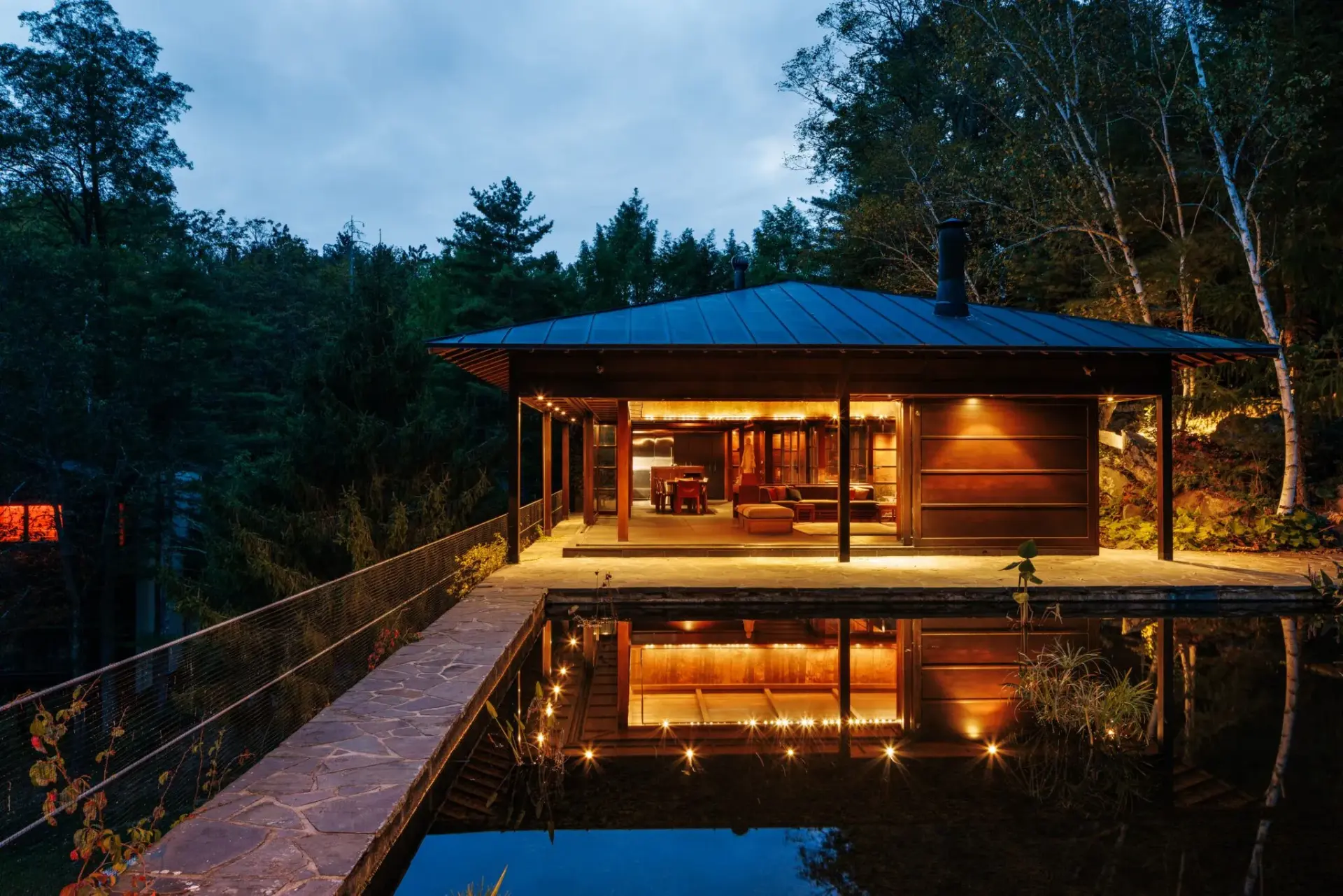
    The Waterfall House: Steve Mensch's Rhinebeck Retreat Returns to the Market

    Copper roofs, timber and still water: the main pavilion opens fully to its reflecting pool at dusk. Image courtesy of Upstate Down.

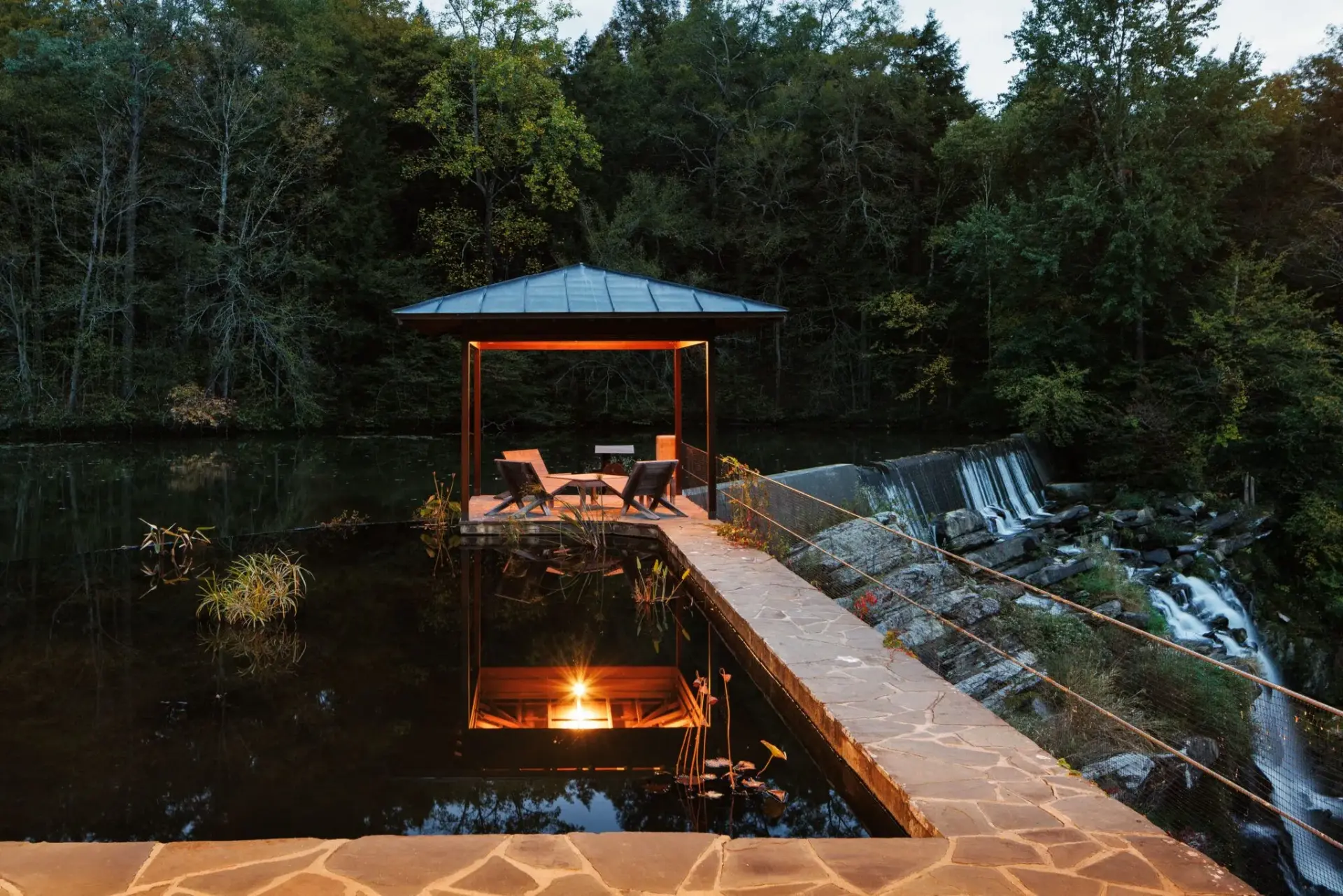
    The Waterfall House: Steve Mensch's Rhinebeck Retreat Returns to the Market — additional view

    A pavilion set above the Landsman Kill, where the estate meets the 60-foot plunge it was designed around. Image courtesy of Upstate Down.

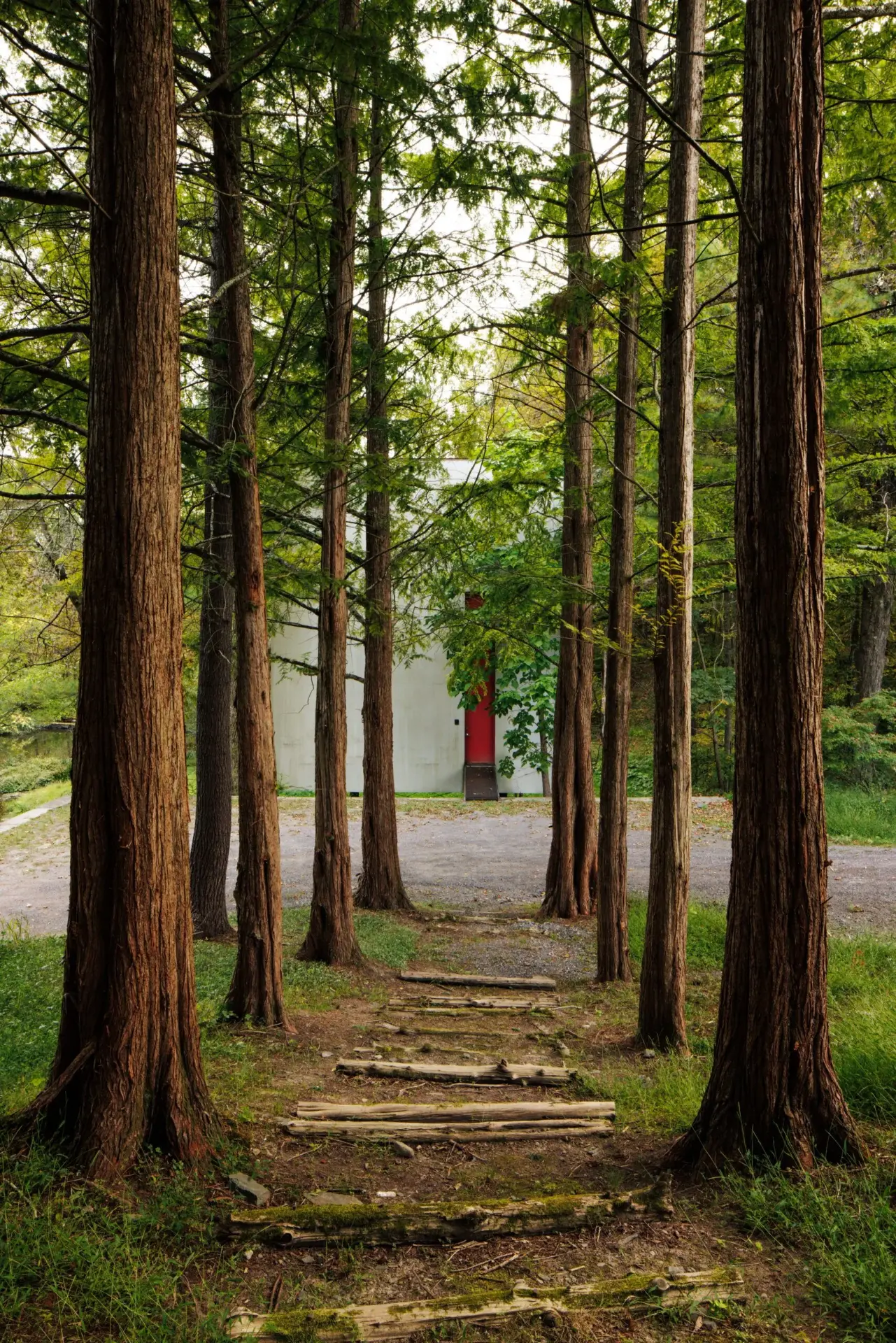
    Stone paths and a grove of tall trees lead between buildings — arrival treated as a slow, deliberate passage. Image courtesy of Upstate Down.

    Stone paths and a grove of tall trees lead between buildings — arrival treated as a slow, deliberate passage. Image courtesy of Upstate Down.

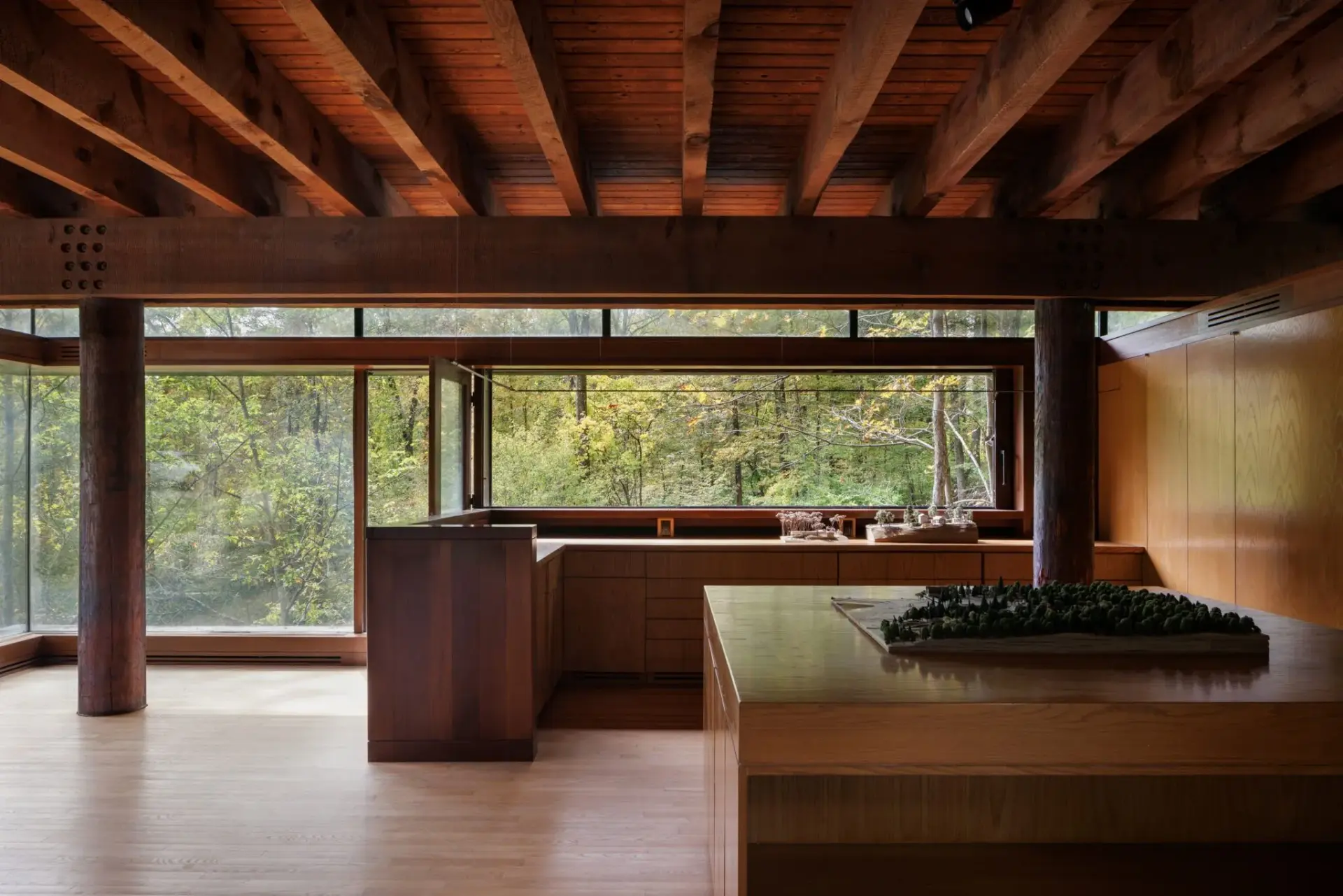
    Inside, heavy timber beams and long ribbon windows frame the forest as part of the architecture. Image courtesy of Upstate Down.

    Inside, heavy timber beams and long ribbon windows frame the forest as part of the architecture. Image courtesy of Upstate Down.

    Real Estate · Residential Architecture · Hudson Valley

    The Waterfall House: Steve Mensch's Rhinebeck Retreat Returns to the Market

    WAAR Editorial · 3 min read

    Some houses are designed for a site. A rare few are designed around a single natural event. In Rhinebeck, New York, that event is a waterfall — a spectacular 60-foot plunge on the Landsman Kill — and the house built beside it was the late architect Steve Mensch's own primary residence.

    Real estate brokerage and design firm Upstate Down has now listed The Waterfall House at $8,495,000. The 21-acre estate comprises four copper-roofed buildings — a main house, two guest houses and a studio — linked by covered walkways and stone paths.

    AN ARCHITECTURE OF PAVILIONS

    Rather than a single dominant volume, Mensch composed the estate as a sequence of pavilions in the landscape. The approach draws on Japanese and Balinese traditions, in which buildings are distributed across a site and the journey between them becomes part of daily life: a covered walkway, a stone path, a pause beside water.

    The result is architecture that complements the waterfall rather than competing with it. Broad copper roofs sit low over timber structures; deep overhangs and fully opening walls dissolve the line between room and terrace; reflecting pools double the light at dusk. Inside, exposed beams and long horizontal windows turn the surrounding forest into the principal finish.

    It is the kind of house that rewards slowness — a quality increasingly prized in the luxury market, where buyers look less for spectacle than for a genuine sense of place.

    A THIRTEEN-YEAR RELATIONSHIP

    The listing is also the closing chapter of a personal story. Thirteen years ago, when Mensch was moving out of the house and renting it through VRBO, Delyse Berry — who would go on to found Upstate Down — approached him. She did not yet hold a real estate licence; she was managing exceptional home rentals, and she persuaded Mensch to let her manage his.

    Within a few months, Mensch withdrew the house from its listing with Sotheby's and entrusted it to Berry, then a newly licensed agent with Houlihan Lawrence. She found renters, and the property remained rented for years — effectively taking it off the market until now.

    Berry credits that relationship with shaping how she approaches real estate and, ultimately, the creation of the Upstate Down brand: a practice that treats architecturally significant homes as works to be understood and represented with care, not simply inventory to be sold. Bringing The Waterfall House to market herself is, in every sense, a full-circle moment.

    A HOUSE WITH A PUBLIC LIFE

    The estate is already familiar to many viewers. It appeared in Amy Schumer's docu-series Expecting Amy, filmed while she was living there, and over the years it has served as a temporary residence for a number of well-known guests — a testament to its appeal as a private retreat within easy reach of New York City.

    WHY IT MATTERS

    For WAAR, The Waterfall House illustrates a principle that runs through the most enduring residential architecture: value that comes from the relationship between building and landscape. Architect-designed homes of this calibre rarely change hands, and when they do, their provenance — who designed them, who lived in them, and who cared for them — becomes part of what is being acquired.

    Property: The Waterfall House · Location: Rhinebeck, New York, USA · Architect: Steve Mensch (primary residence) · Site: 21 acres on the Landsman Kill, beside a 60-foot waterfall · Buildings: main house, two guest houses and a studio, with copper roofs, linked by covered walkways and stone paths · Listing: Upstate Down · Asking price: $8,495,000.

    The Delicate Dance Between Architecture and Real Estate

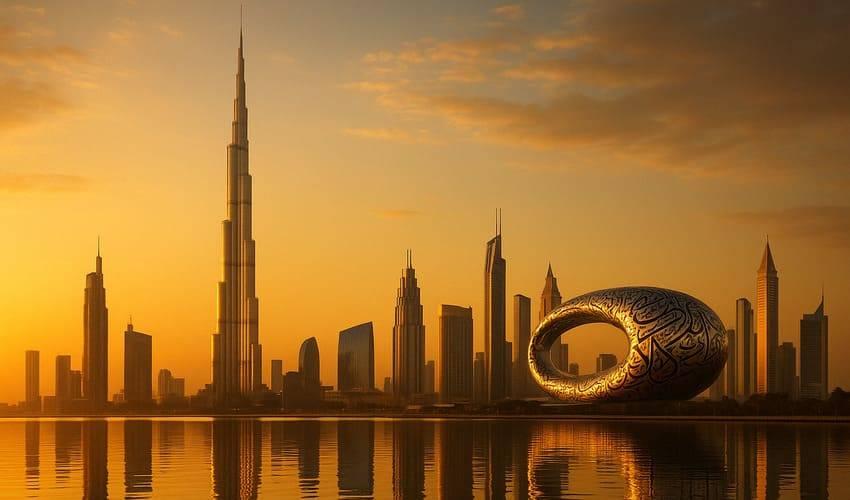
    Conceptual Dubai skyline montage: ambition becomes lasting value when landmark architecture serves the life of the wider city.

    The Delicate Dance Between Architecture and Real Estate — additional view

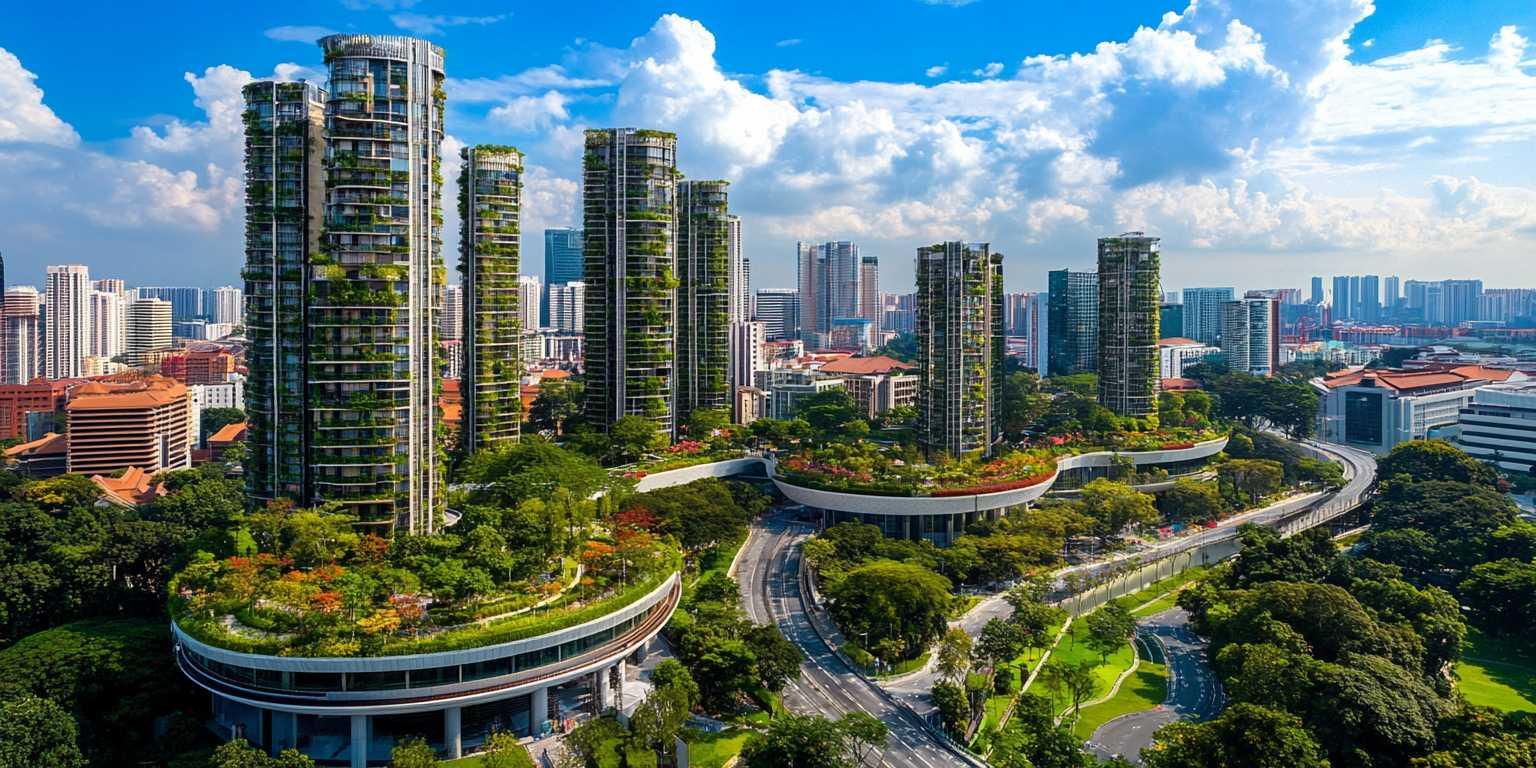
    Illustrative green-city vision: landscape and density must support everyday wellbeing, not simply a persuasive development image.

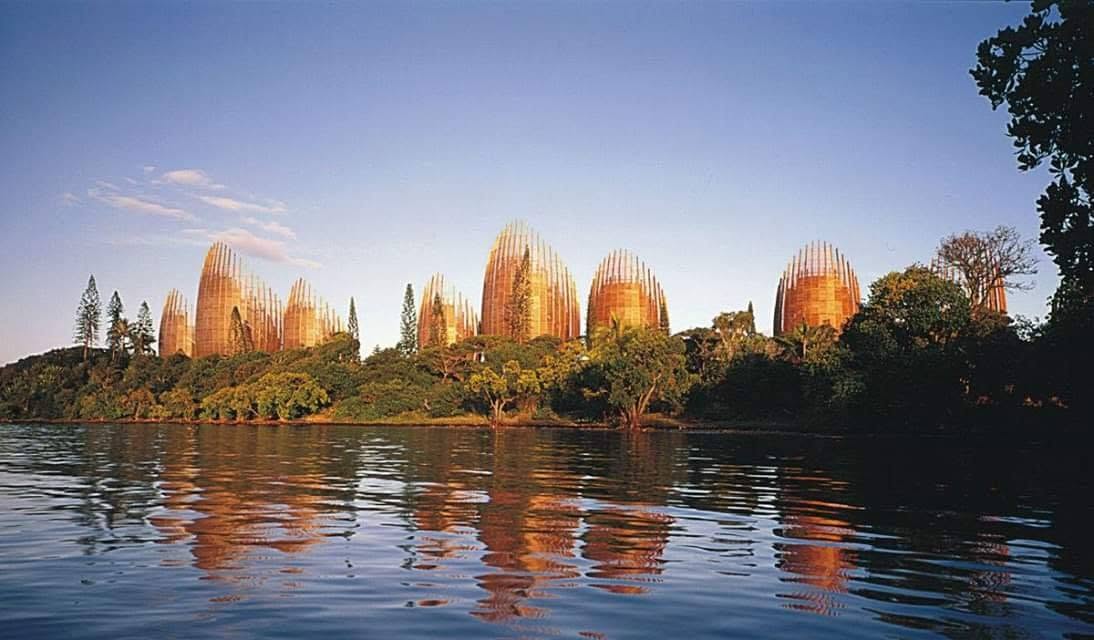
    Waterfront cultural architecture: a distinctive built identity — as Renzo Piano’s waterfront museums show — can open a dialogue between place, tradition and public life.

    Waterfront cultural architecture: a distinctive built identity — as Renzo Piano’s waterfront museums show — can open a dialogue between place, tradition and public life.

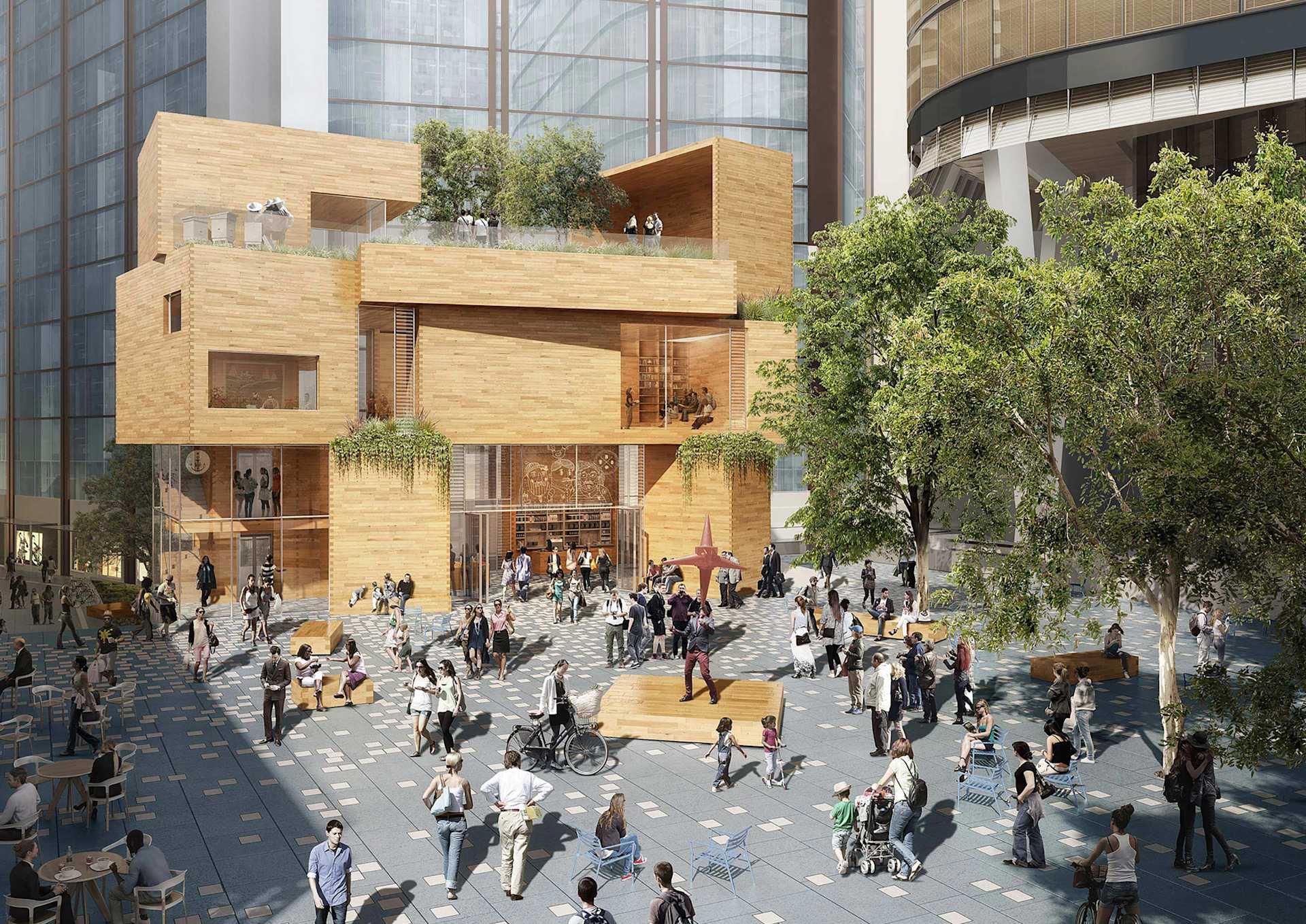
    Public-square rendering: shared spaces give development a civic purpose beyond the buildings that frame them.

    Public-square rendering: shared spaces give development a civic purpose beyond the buildings that frame them.

    The Delicate Dance Between Architecture and Real Estate — biophilic residential interior

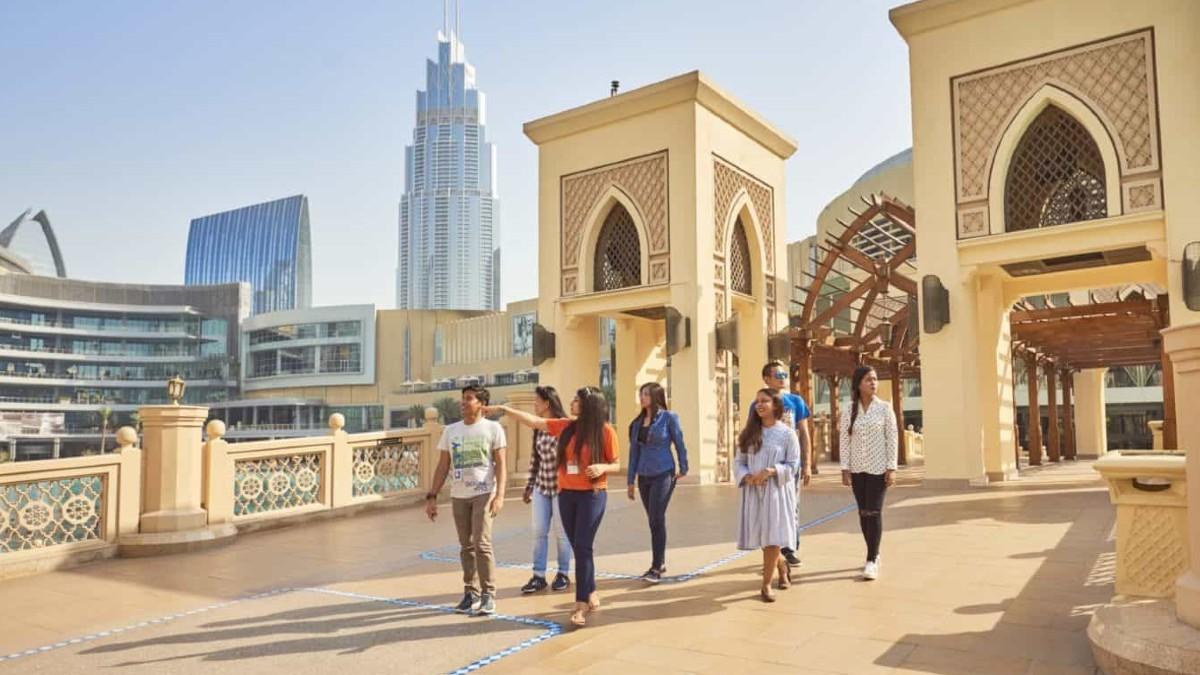
    A pedestrian setting in Dubai: the quality of a city is experienced at walking pace as much as in its skyline.

    Essay · Cities & Society

    The Delicate Dance Between Architecture and Real Estate

    WAAR Editorial · 8 min read

    Architecture gives ambition a form. Real estate gives it an address. When both are guided by a vision beyond immediate returns, their partnership can help create places where people of different cultures, generations and beliefs live, work and participate in a shared future.

    Every city is more than an arrangement of towers, roads and residences. Its skyline expresses ambition; its streets reveal priorities; its homes speak of belonging and security. Architecture shapes the physical and emotional experience of these places. Development mobilises the land, capital, enterprise and infrastructure that make them possible.

    Neither can fulfil its highest purpose alone. Architecture without viable development may remain a drawing. Real estate without spatial imagination can satisfy demand while contributing little to the life around it. Their most consequential achievement is not a property value, but a place that remains useful, welcoming and resilient over time.

    ARCHITECTURE AS A CIVIC RESPONSIBILITY

    Buildings have long communicated the aspirations of their age: spiritual devotion, political power, collective craftsmanship, technological progress. Today, cultural districts, research campuses and sustainable communities suggest ambitions that extend beyond the individual commission.

    Yet the quality of a civilisation cannot be read from its tallest tower alone. It is also present in the dignity of its homes, the accessibility of its streets, the quality of its schools and the opportunities available to people without accumulated wealth.

    A landmark can inspire. A well-planned neighbourhood can improve everyday life for generations. A shaded walkway makes movement more comfortable; a public square allows strangers to share space; a library or cultural centre introduces people to histories beyond their own. The public realm is not leftover land between buildings. It is part of the city’s essential infrastructure.

    The architecture of a better world begins when we design not only for those who can buy a place, but also for those who must share the city.

    WHERE AMBITION MEETS DELIVERY

    A development brings design into contact with land ownership, finance, regulation, construction and market demand. At its best, it creates homes and employment while supporting schools, healthcare, commerce and innovation. It can give underused land a productive future and businesses a physical foundation for growth.

    Its influence also runs in the opposite direction. Homes can become unaffordable, established communities can be displaced and infrastructure can fall behind construction. A skyline may rise while residents struggle to find a place within it.

    This is the delicate dance: the architect imagines what a place could become; the developer determines how to make it viable; the wider city must consider whether the result serves its long-term interests.

    Commercial returns matter. Without financial viability, projects cannot secure investment, employ professionals or sustain operations. But the enduring value of a development also depends on its relationship with its neighbourhood, its environmental performance and its capacity to adapt. Construction produces buildings. Development, at its best, creates places that sustain economic and civic life.

    THE DAILY GEOGRAPHY OF TOLERANCE

    Peace depends on leadership, institutions and political choices. It also has a daily geography: the places where people meet without fear, where different traditions are visible and where participation is not determined solely by background or circumstance.

    A park does not require its visitors to share the same beliefs. A museum offers encounters with unfamiliar histories. A waterfront gives families, workers and visitors a common destination. A university brings together people whose lives began in different parts of the world. Waterfront cultural architecture illustrates the point: in buildings from Renzo Piano’s Whitney Museum on New York’s Hudson River to his Centro Botín in Santander, a distinctive built identity can open a dialogue between place, tradition and public life.

    Good design cannot eliminate prejudice or resolve conflict. It can, however, make repeated, peaceful encounters more likely. Familiarity and trust need opportunities to develop; welcoming public places can help provide them.

    A city that accommodates diversity allows different people to occupy the same territory. A city that embraces it creates opportunities for shared civic experience. Accessible entrances, safe streets, inclusive parks, affordable transport and dignified housing make that distinction tangible.

    AMBITION THAT SHARES ITS BENEFITS

    Ambition drives architects to challenge convention, entrepreneurs to build enterprises and governments to imagine infrastructure at new scales. Real estate gives that energy a visible form. But a golden age cannot be measured only by sales records, exclusive addresses or cranes on the horizon.

    Its defining question is how widely progress is shared. A city may attract global investors yet struggle to house essential workers. A cultural district may be spectacular but disconnected from its neighbours. An efficient building may occupy a location that requires long, expensive commutes.

    These contradictions demand a more sophisticated ambition, not a smaller one. Inclusive planning belongs in the investment conversation from the beginning, because it shapes the long-term usefulness and resilience of a place.

    Can different incomes find a place in the neighbourhood? Are transport, schools, healthcare and public amenities planned alongside private development? Will buildings remain comfortable as the climate changes? Can they accommodate new family structures, technologies and working patterns? What does the project contribute beyond its own boundary?

    These are not obstacles to ambition. They are how ambition becomes durable.

    A MORE INTELLIGENT DEFINITION OF LUXURY

    Luxury property has often been communicated through exclusivity: a rare address, a private lift, a panoramic view or an elaborate finish. Those qualities retain their appeal. But they do not exhaust what makes a place desirable.

    Clean air, summer shade, natural light, quiet at night, a safe walk home and access to greenery can matter just as profoundly. So can the ability to reach essential destinations without losing hours to traffic, or a home that adapts as a family changes.

    Architecture can bring nature into daily life through planted courtyards, shaded passages and considered relationships between indoors and outdoors. Planning can extend those benefits beyond a private balcony or residents’ club. A green space is most valuable when it is accessible and genuinely usable, not simply attractive in a rendering.

    For developers, the proposition is compelling: lasting appeal is shaped not only by what lies within a property’s walls, but by the quality of life those walls make possible.

    A PARTNERSHIP THAT BEGINS EARLY

    The strongest projects emerge when design, investment, planning and lived experience engage before the essential decisions have already been made. An architect should not arrive merely to give a predetermined commercial scheme an attractive exterior. A developer should not be asked to finance an ideal without a credible route to delivery. A city should not be left to absorb the consequences of private decisions.

    Architects bring spatial intelligence, material knowledge and cultural understanding. Developers and investors bring capital, commercial discipline and delivery expertise. Governments and planners provide infrastructure, regulation and a public-interest framework. Communities contribute local knowledge and an understanding of what a place needs to become.

    Working together, these perspectives allow design to inform investment rather than decorate it. Infrastructure can be planned alongside housing; public space can become an essential asset; environmental performance can be considered over a building’s lifetime.

    Success then becomes a broader calculation: durability, operating costs, accessibility, resident experience and the wider economic life of a district, alongside construction costs and returns. The result need not be a compromise between beauty and business. It can be a better understanding of value.

    GLOBAL EXCHANGE, LOCAL IDENTITY

    Dubai offers a vivid example of development ambition reshaping a city’s international profile. Abu Dhabi’s cultural institutions make architecture a setting for encounters between artistic traditions and audiences. Singapore provides a different reference point for the relationship between density, greenery and urban planning.

    Across Africa, urban futures must respond to varied local conditions while expanding access to housing, infrastructure and employment. The challenge is not to reproduce a skyline elsewhere, but to connect economic opportunity with environmental resilience and cultural identity.

    Capital, design expertise and technologies can cross borders. Their usefulness depends on local understanding: a solution that performs well in one climate or regulatory setting may be inappropriate in another. The opportunity is to share knowledge without exporting a single model of the ideal city.

    The built environment can become a form of international dialogue. Its credibility rests on what cooperation delivers for the people who call those places home.

    TECHNOLOGY WITH ARCHITECTURAL PURPOSE

    Digital modelling, artificial intelligence, responsive façades, low-carbon materials and renewable energy are expanding the tools available to architects and developers. Used carefully, they can support coordination, reduce waste and help evaluate design decisions before construction.

    But technology is not a substitute for judgement. A smart building is not necessarily a good building. A project described as sustainable must be assessed through its actual materials, energy and water use, mobility, maintenance and long-term performance.

    Environmental intelligence begins with the local climate. It also involves embodied carbon, the potential to adapt existing buildings and the flexibility of new ones. Social questions remain inseparable from these choices: an efficient building or walkable district solves only part of the challenge if it is disconnected from affordable housing, jobs or public transport.

    The next generation of development must bring environmental performance, economic viability and human wellbeing into the same brief.

    FIVE PRINCIPLES FOR ENDURING VALUE

    Architecture with identity: buildings that respond to their cultural and environmental context rather than reproduce a global image.

    Real estate with purpose: commercial viability that supports lasting value for residents, investors and the wider city.

    Public space with dignity: streets, parks and waterfronts that invite safe, accessible participation.

    Sustainability with evidence: environmental claims grounded in performance, durable materials and long-term thinking.

    Ambition with shared opportunity: growth that creates pathways to housing, employment, education and a better quality of life.

    WAAR PERSPECTIVE

    The greatest opportunity facing architecture and real estate is to redefine what it means to build successfully. A profitable development can also strengthen its community. Architectural distinction can improve ordinary life. Economic growth can widen, rather than narrow, the horizon of opportunity.

    This is not a rejection of wealth, luxury or ambition. It is a call to elevate them. The architect who gives a place meaning, the developer who makes it viable and the city that protects its shared life are contributing to something larger than a single building.

    Architecture and real estate cannot deliver peace and tolerance alone. They can give those aspirations physical form: secure homes, welcoming public places, open cultural institutions and cities where ambition does not require exclusion.

    We do not simply build the places where the future will happen. Through the places we build, we help determine what that future can become.

    AI's Biggest Building May Not Be a Skyscraper

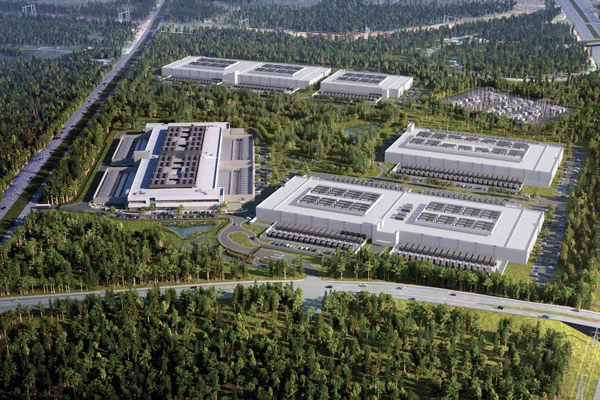
    Image: Data-centre campus aerial — WAAR editorial archive

    AI's Biggest Building May Not Be a Skyscraper — additional view

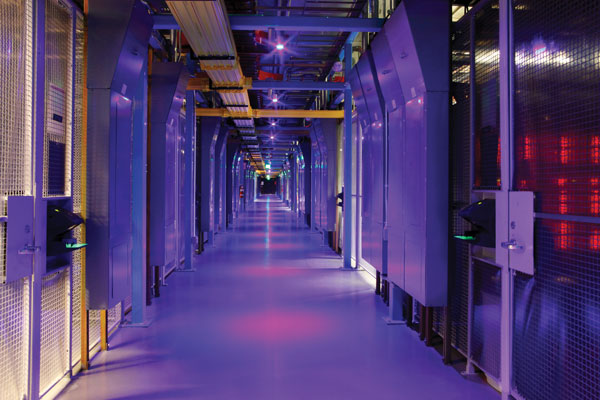
    Image: Data-hall corridor — WAAR editorial archive

    Data & Infrastructure

    AI's Biggest Building May Not Be a Skyscraper

    WAAR Editorial · 2 min read

    Artificial intelligence requires physical infrastructure.

    Behind every AI model is an extraordinary network of processors, power systems, cooling infrastructure, fibre connectivity and highly specialised buildings.

    That is turning data centres into one of the most consequential development stories in global real estate.

    JLL estimates that almost 100 GW of new data-centre capacity could be added globally between 2026 and 2030, potentially doubling global capacity.

    But there is a problem.

    AI infrastructure requires enormous quantities of electricity — and increasingly, water and land.

    That is changing the traditional logic of real-estate development.

    Developers are increasingly looking beyond established urban markets toward locations where power and land can be secured more efficiently. Recent European reporting shows a significant movement toward less urbanised locations as developers search for available energy, land and faster utility connections.

    The implications extend far beyond technology.

    Landowners are reassessing property values.

    Governments are reconsidering infrastructure planning.

    Investors are examining power availability as closely as traditional real-estate fundamentals.

    And architects are being challenged to design buildings whose visual language may be very different from conventional commercial architecture.

    The next great real-estate race may not be for the best view. It may be for the best connection to power.

    Dubai's Ultra-Prime Market Enters Its Maturity Phase

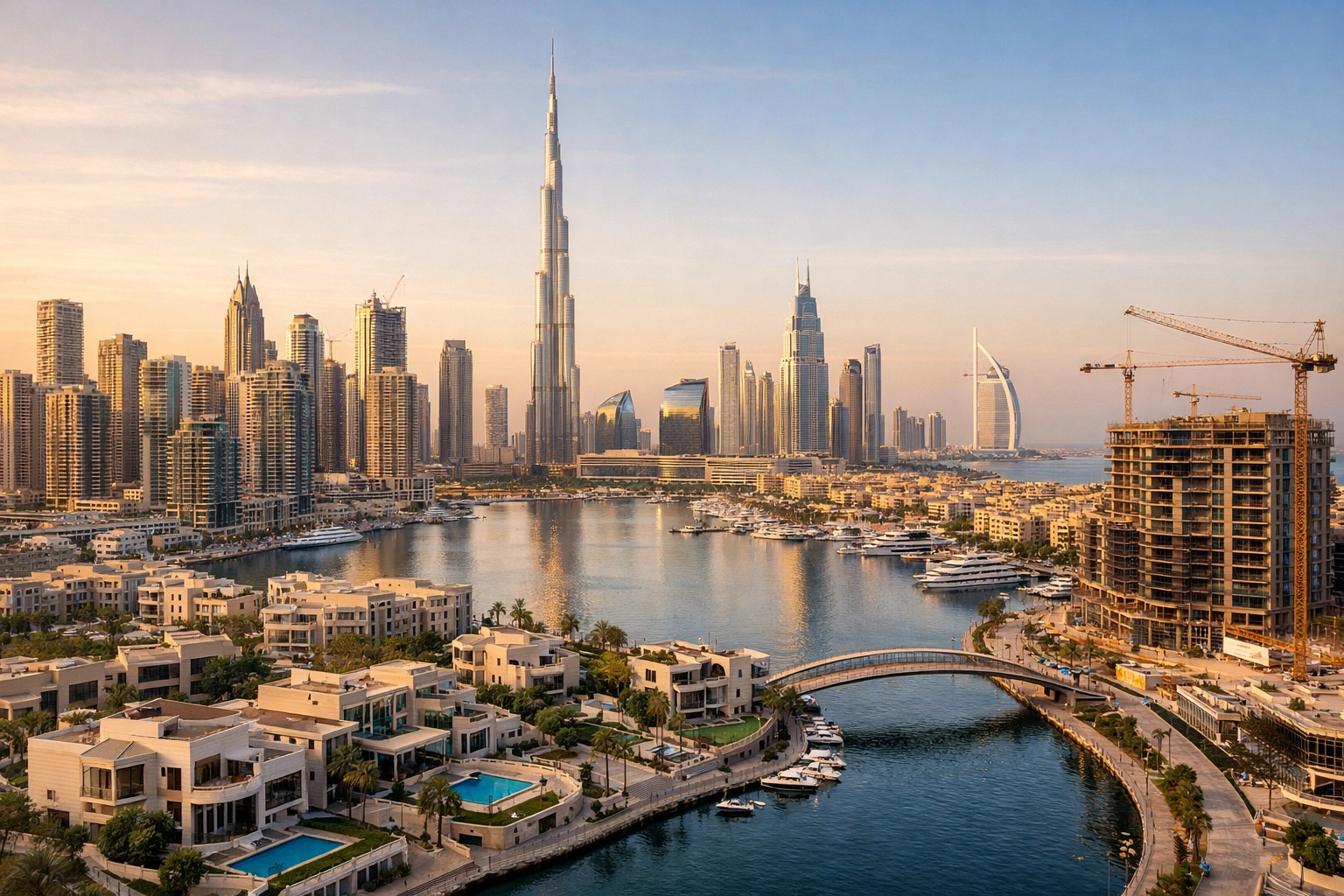
    Image: Dubai skyline and the Burj Khalifa — WAAR Editorial

    Market Analysis

    Dubai's Ultra-Prime Market Enters Its Maturity Phase

    7 min read

    After three years of record absorption, Dubai's AED 20 million-plus segment is shifting from speculative velocity to end-user depth: buyers holding longer, financing more conservatively, and concentrating on waterfront and branded stock where supply is genuinely constrained.

    The practical consequence for developers is that design quality now prices. Floor-to-ceiling heights, ceiling servicing strategies, parking ratios and amenity operating costs are being underwritten by purchasers with the rigour once reserved for institutional buyers.

    Branded Residences: Why Licensing a Name Still Commands a Premium

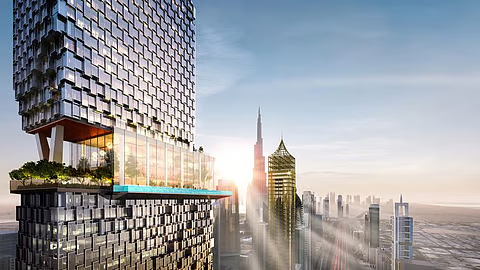
    Image: Branded ultra-luxury tower with cantilevered amenity deck, Dubai — WAAR Editorial

    Investment

    Branded Residences: Why Licensing a Name Still Commands a Premium

    6 min read

    Branded residences continue to trade at premiums of 25 to 40 per cent over comparable unbranded stock in the Gulf. The premium is not paid for the logo alone but for enforceable service standards, resale liquidity and a managed rental channel.

    The risk sits in the long tail: brand licences expire, service charges escalate, and schemes that cannot fund the promised operating standard lose their premium faster than they earned it. Underwriting the operator matters as much as underwriting the location.

    Saudi Arabia's Giga-Projects and the Repricing of Regional Land

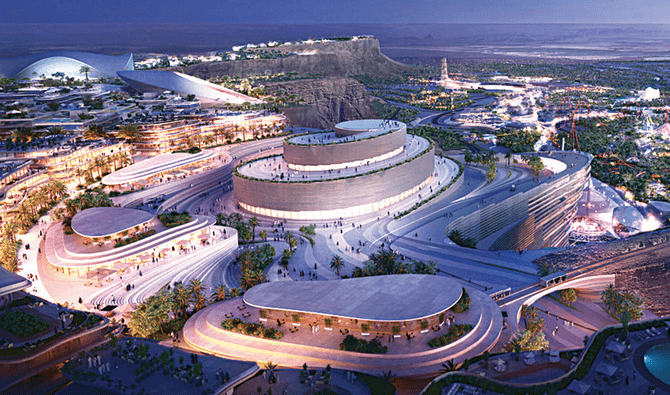
    Image: Saudi Arabia's giga-projects — WAAR Editorial

    Capital Flows

    Saudi Arabia's Giga-Projects and the Repricing of Regional Land

    8 min read

    Riyadh has become the region's fastest-growing office market, with headquarters relocation rules pulling multinational occupiers into a market that had limited grade-A supply five years ago. Land values around KAFD and the northern corridors have repriced accordingly.

    For investors, the discipline is separating announced pipeline from delivered floorspace. Delivery schedules on giga-projects have lengthened; the near-term returns are concentrated in serviced residential and logistics rather than headline destinations.

    Escrow, Off-Plan and the New Buyer Protections Reshaping the Gulf

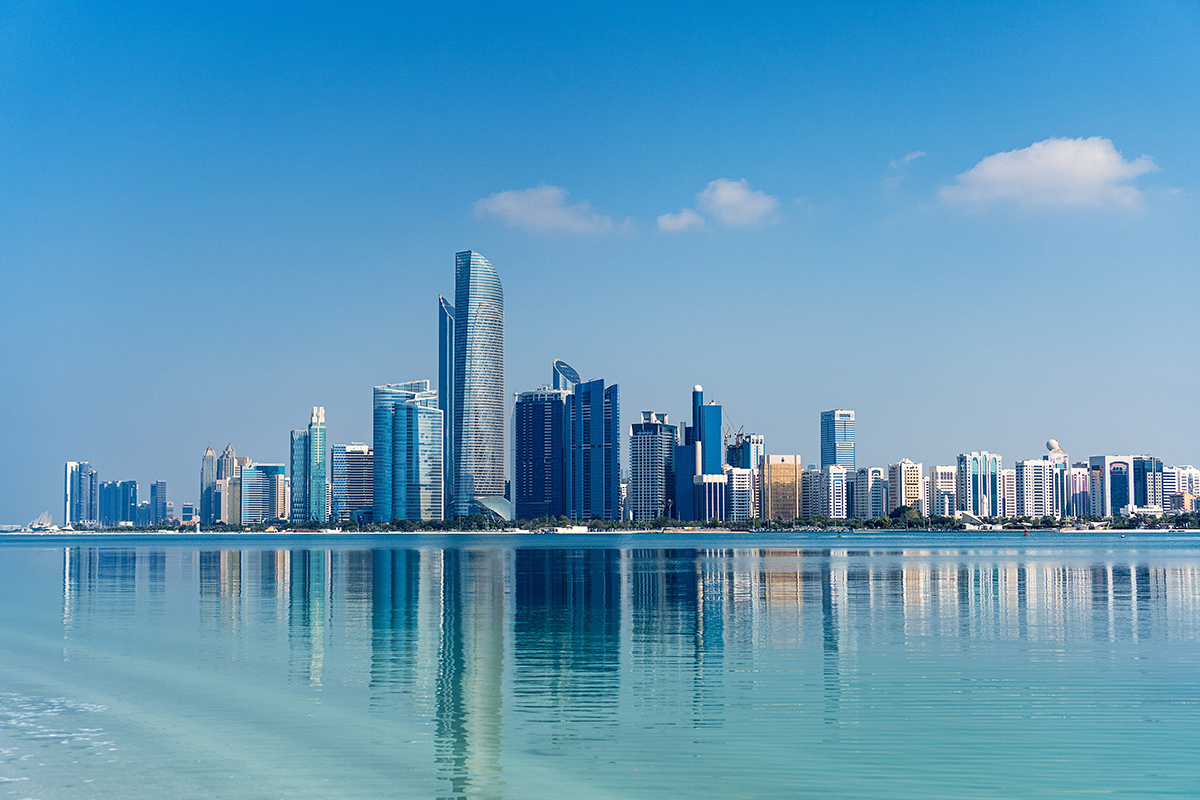
    Image: Abu Dhabi waterfront skyline — WAAR Editorial

    Regulation

    Escrow, Off-Plan and the New Buyer Protections Reshaping the Gulf

    5 min read

    Tightened escrow release schedules, construction-linked payment plans and stricter developer registration have removed much of the volatility that characterised earlier off-plan cycles in the UAE.

    The market effect is consolidation: smaller developers without balance-sheet depth are exiting or partnering, while the largest names extend their share of launches — and, with it, their influence over architectural standards.

    Capital Markets

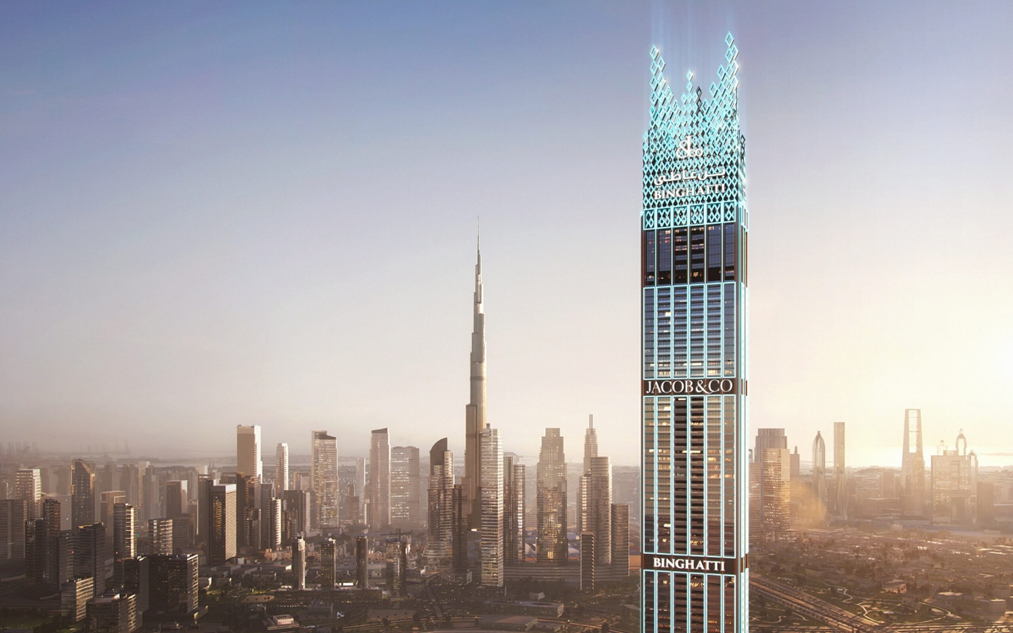
    Binghatti Holding Prices USD 500 Million Five-Year Sukuk, Oversubscribed 4.4×

    Dubai, 10 February 2026 · 5 min read

    Binghatti Holding Sukuk listing

    Image: Binghatti Holding — supplied

    Binghatti Holding has priced a long five-year USD 500 million benchmark Sukuk under its USD 1.5 billion Trust Certificate Issuance Programme — the longest-tenor Sukuk ever issued by a UAE private-sector real estate developer.

    The issuance priced at a profit rate of 8.375%, a spread of 461 basis points over the prevailing five-year US Treasury yield. The orderbook peaked at approximately USD 2.46 billion, an oversubscription of 4.4 times, with international investors taking 51% of the final allocation.

    Proceeds will support general corporate purposes and the group's expanding development pipeline. With a maturity of five years and six months, the issuance extends Binghatti's Sukuk yield curve to 2031, joining outstanding benchmarks maturing in 2027, 2029 and 2030.

    Binghatti is rated Ba3 by Moody's and BB- by Fitch. Joint Global Coordinators included Abu Dhabi Commercial Bank, Abu Dhabi Islamic Bank, Dubai Islamic Bank, Emirates NBD Capital, J.P. Morgan and Mashreq, supported by a further eight Joint Bookrunners.

    For the wider market, the pricing is a signal as much as a financing: a private developer extending duration at benchmark size, with a majority-international orderbook, indicates that Dubai's development cycle is now being funded by global fixed-income capital rather than pre-sales alone.

    “The significant oversubscription of our benchmark long five-year Sukuk is a powerful endorsement of Binghatti's credit strength, operating performance and long-term strategy.”Muhammad BinGhatti, Executive Chairman
    Stay Informed

    The WAAR Weekly

    Exclusive insights on global architecture, landmark developments, and the investment opportunities shaping our cities. Delivered every Thursday.

    Join thousands of industry readers via the WAAR Weekly.