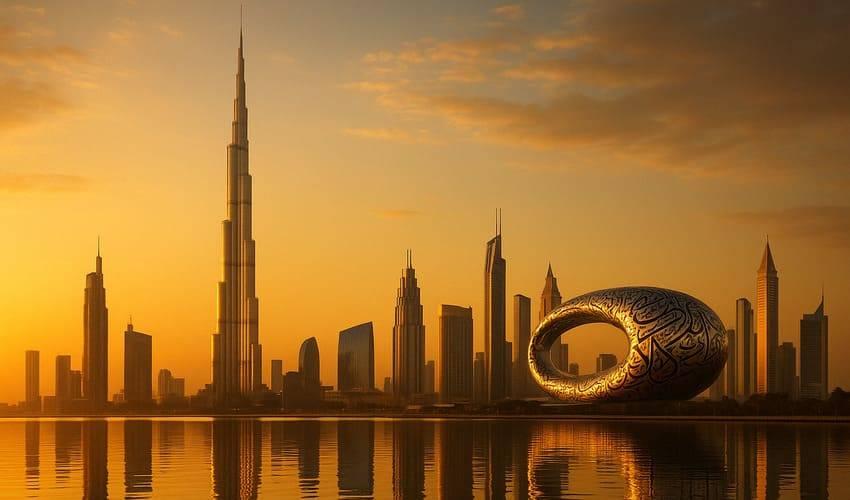
Conceptual Dubai skyline montage: ambition becomes lasting value when landmark architecture serves the life of the wider city.
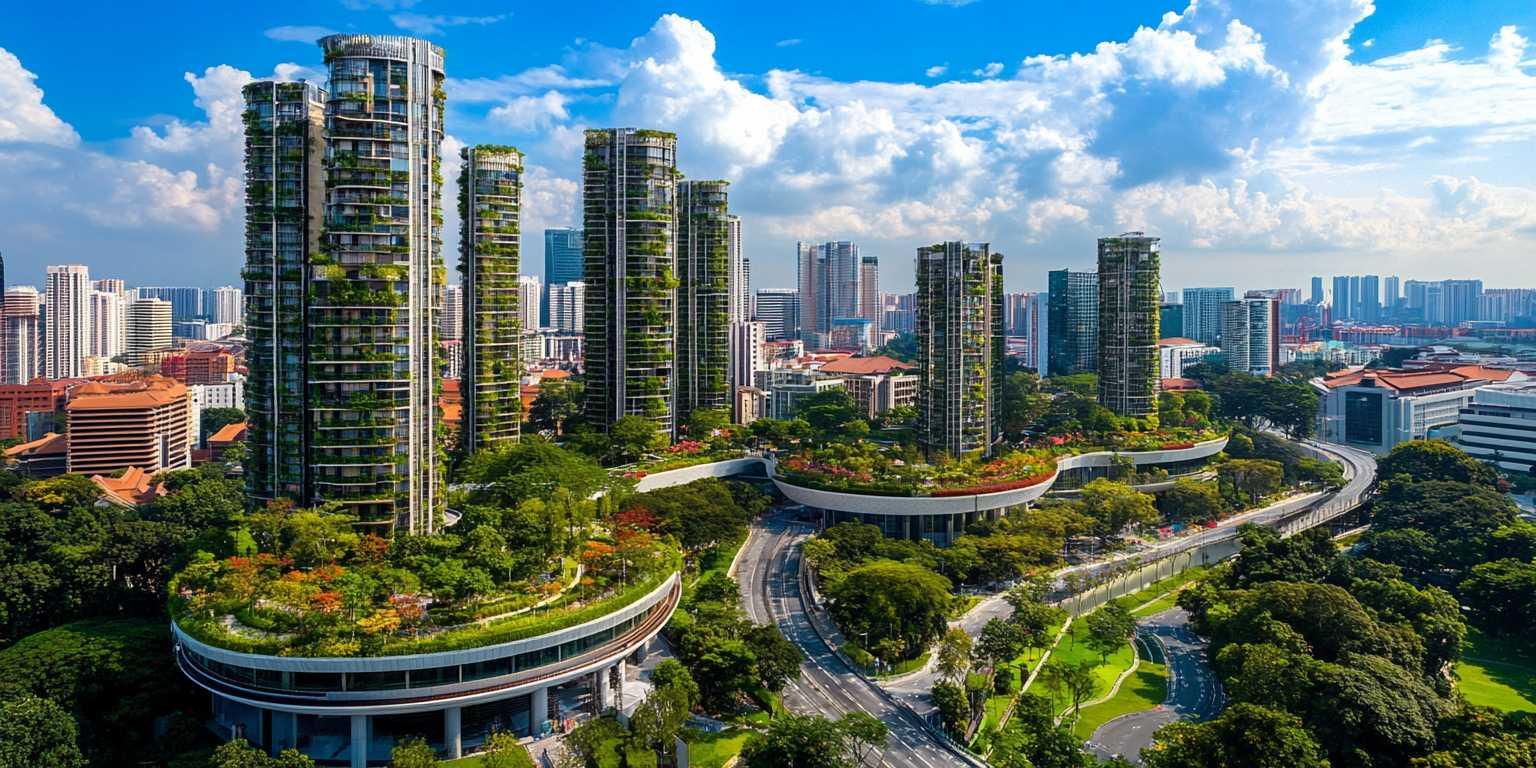
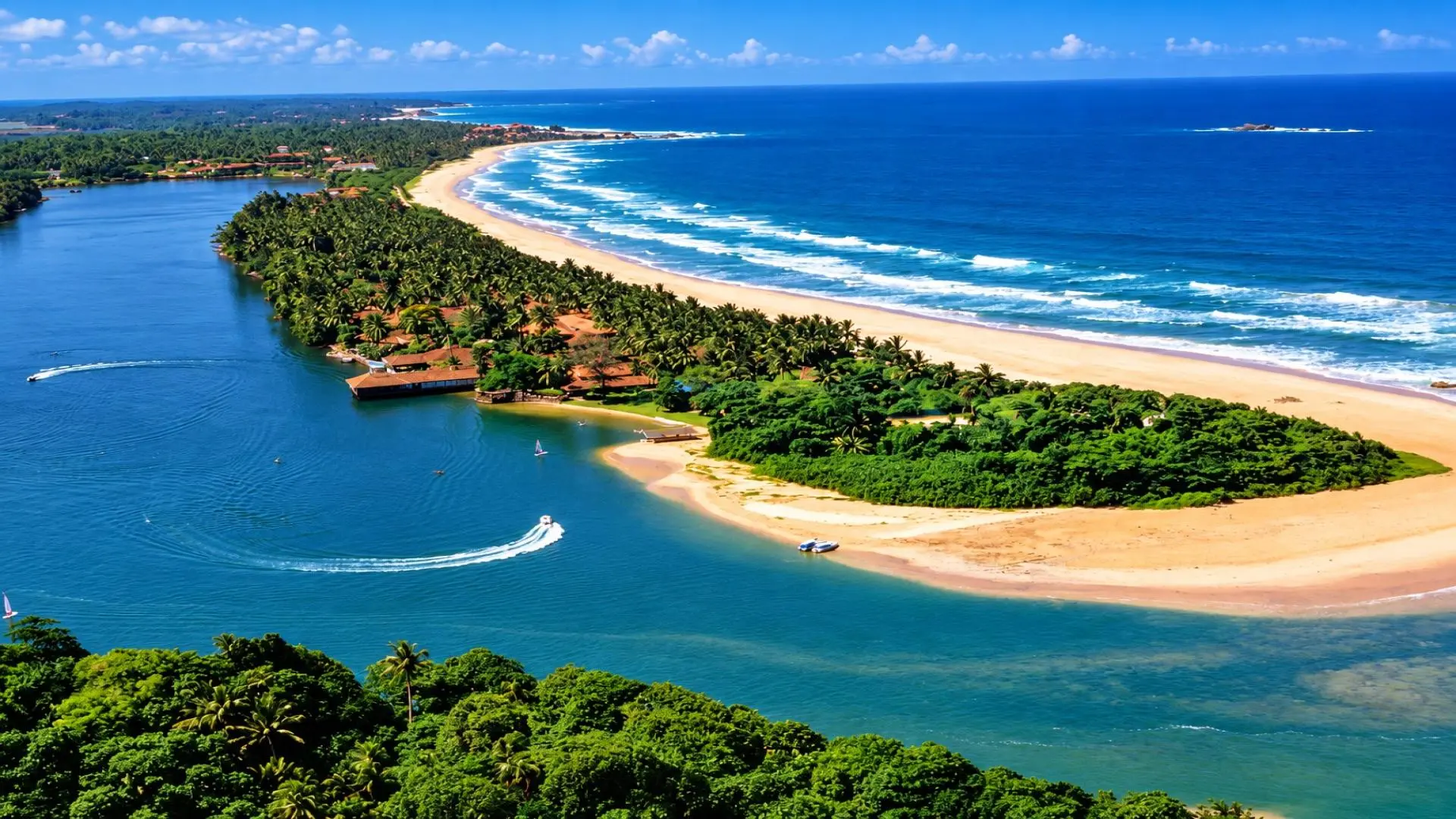
Illustrative green-city vision: landscape and density must support everyday wellbeing, not simply a persuasive development image.
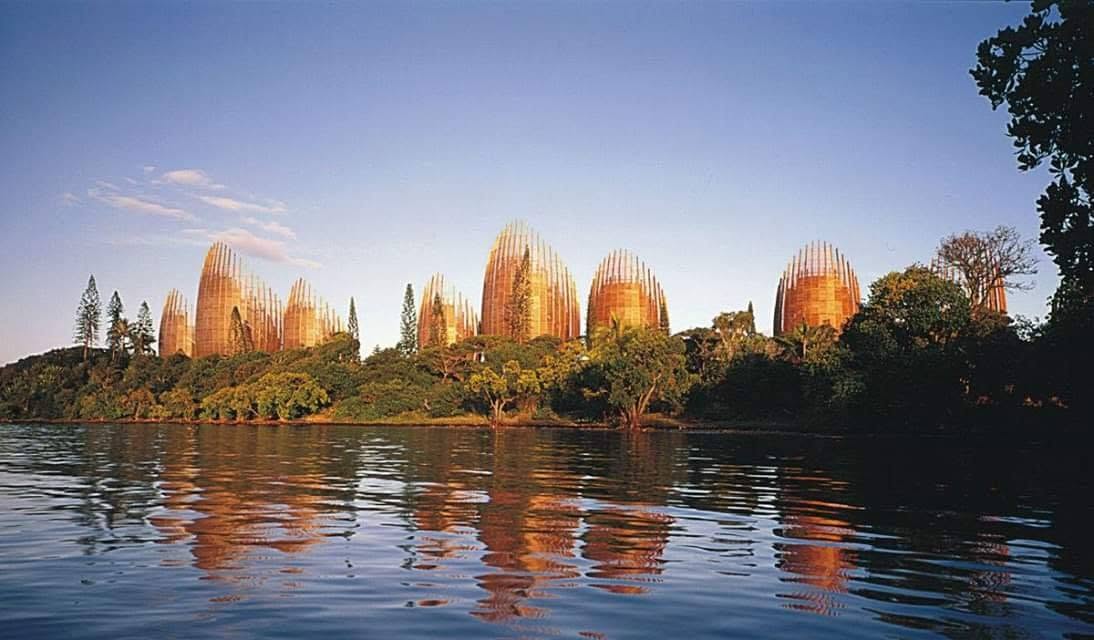
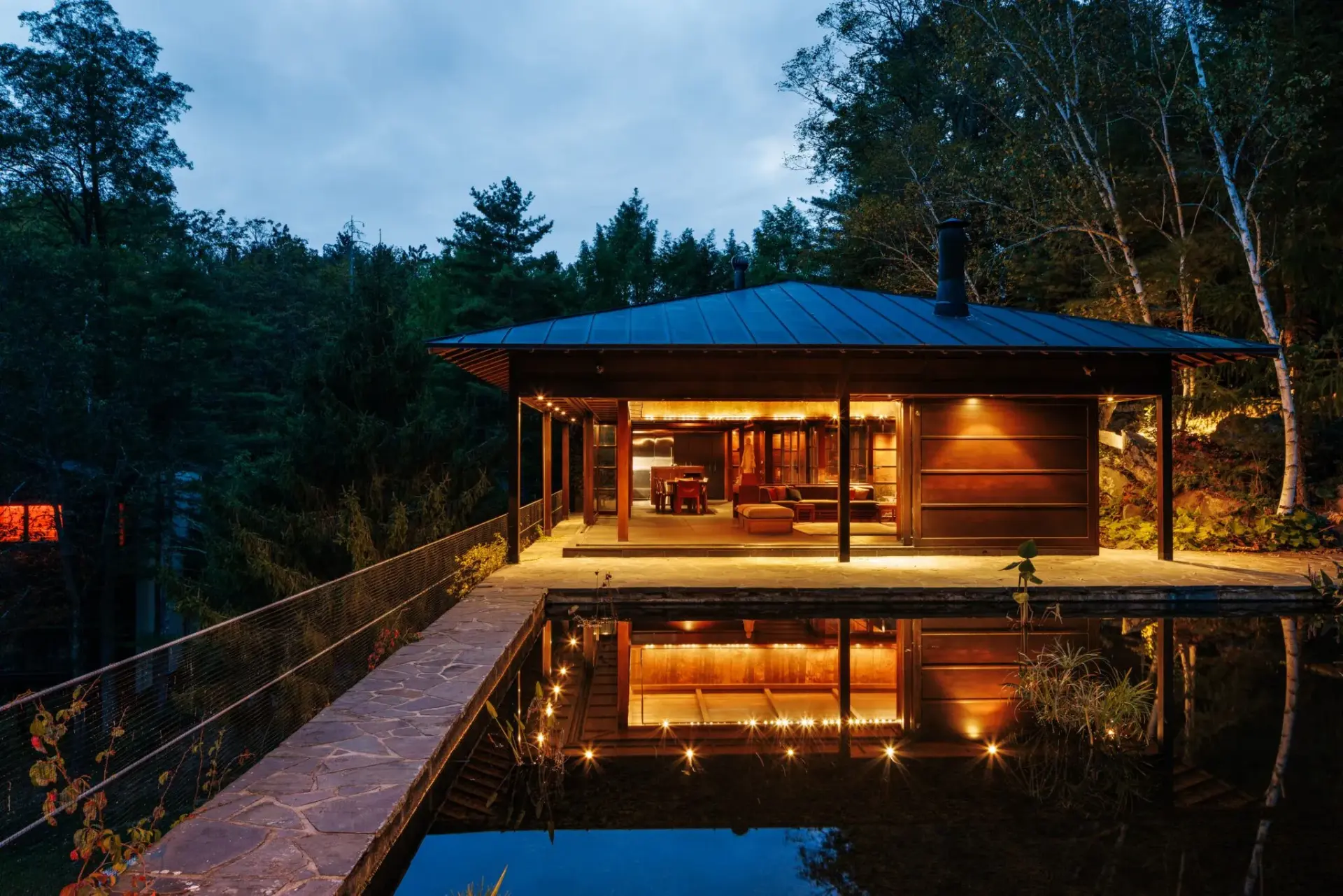
Waterfront cultural architecture: a distinctive built identity — as Renzo Piano’s waterfront museums show — can open a dialogue between place, tradition and public life.
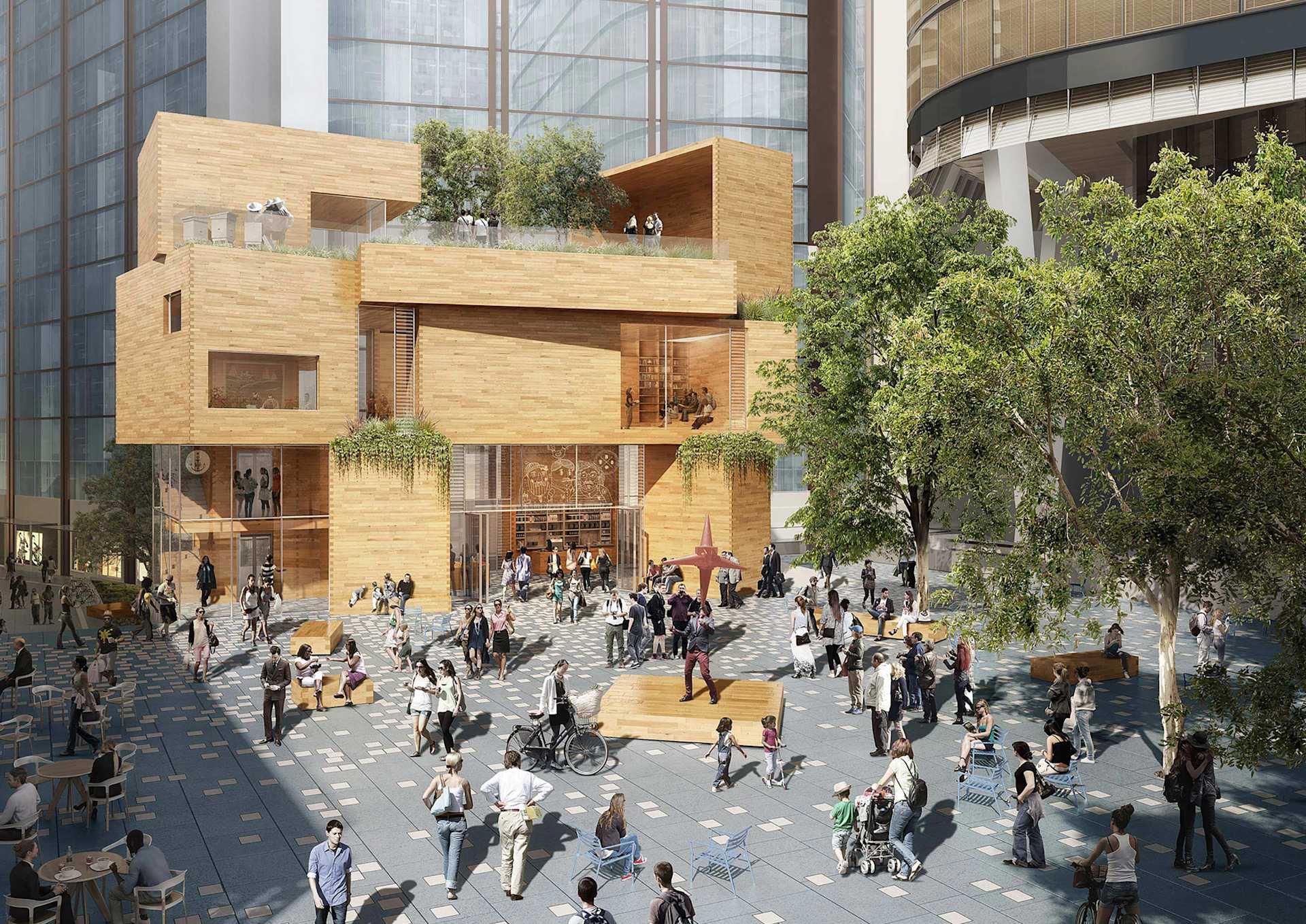
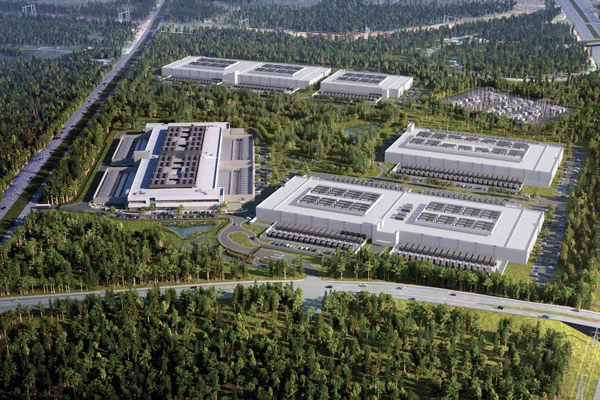
Public-square rendering: shared spaces give development a civic purpose beyond the buildings that frame them.
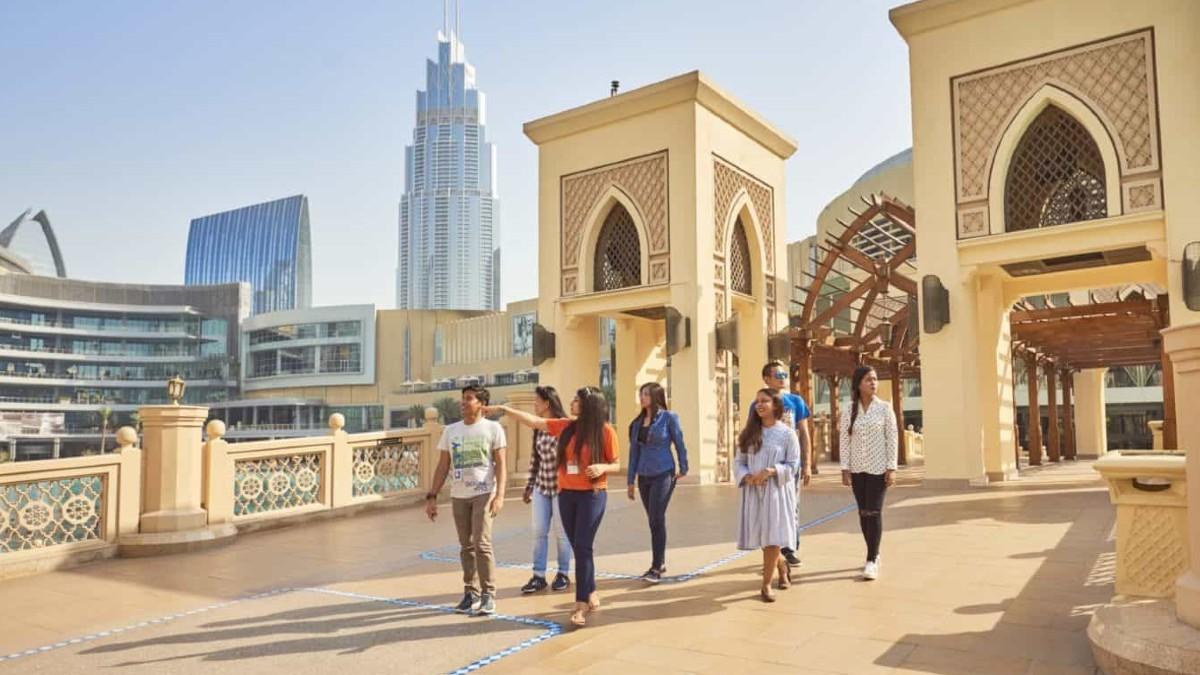
A pedestrian setting in Dubai: the quality of a city is experienced at walking pace as much as in its skyline.
The Delicate Dance Between Architecture and Real Estate
WAAR Editorial · 8 min read
Architecture gives ambition a form. Real estate gives it an address. When both are guided by a vision beyond immediate returns, their partnership can help create places where people of different cultures, generations and beliefs live, work and participate in a shared future.
Every city is more than an arrangement of towers, roads and residences. Its skyline expresses ambition; its streets reveal priorities; its homes speak of belonging and security. Architecture shapes the physical and emotional experience of these places. Development mobilises the land, capital, enterprise and infrastructure that make them possible.
Neither can fulfil its highest purpose alone. Architecture without viable development may remain a drawing. Real estate without spatial imagination can satisfy demand while contributing little to the life around it. Their most consequential achievement is not a property value, but a place that remains useful, welcoming and resilient over time.
ARCHITECTURE AS A CIVIC RESPONSIBILITY
Buildings have long communicated the aspirations of their age: spiritual devotion, political power, collective craftsmanship, technological progress. Today, cultural districts, research campuses and sustainable communities suggest ambitions that extend beyond the individual commission.
Yet the quality of a civilisation cannot be read from its tallest tower alone. It is also present in the dignity of its homes, the accessibility of its streets, the quality of its schools and the opportunities available to people without accumulated wealth.
A landmark can inspire. A well-planned neighbourhood can improve everyday life for generations. A shaded walkway makes movement more comfortable; a public square allows strangers to share space; a library or cultural centre introduces people to histories beyond their own. The public realm is not leftover land between buildings. It is part of the city’s essential infrastructure.
The architecture of a better world begins when we design not only for those who can buy a place, but also for those who must share the city.
WHERE AMBITION MEETS DELIVERY
A development brings design into contact with land ownership, finance, regulation, construction and market demand. At its best, it creates homes and employment while supporting schools, healthcare, commerce and innovation. It can give underused land a productive future and businesses a physical foundation for growth.
Its influence also runs in the opposite direction. Homes can become unaffordable, established communities can be displaced and infrastructure can fall behind construction. A skyline may rise while residents struggle to find a place within it.
This is the delicate dance: the architect imagines what a place could become; the developer determines how to make it viable; the wider city must consider whether the result serves its long-term interests.
Commercial returns matter. Without financial viability, projects cannot secure investment, employ professionals or sustain operations. But the enduring value of a development also depends on its relationship with its neighbourhood, its environmental performance and its capacity to adapt. Construction produces buildings. Development, at its best, creates places that sustain economic and civic life.
THE DAILY GEOGRAPHY OF TOLERANCE
Peace depends on leadership, institutions and political choices. It also has a daily geography: the places where people meet without fear, where different traditions are visible and where participation is not determined solely by background or circumstance.
A park does not require its visitors to share the same beliefs. A museum offers encounters with unfamiliar histories. A waterfront gives families, workers and visitors a common destination. A university brings together people whose lives began in different parts of the world. Waterfront cultural architecture illustrates the point: in buildings from Renzo Piano’s Whitney Museum on New York’s Hudson River to his Centro Botín in Santander, a distinctive built identity can open a dialogue between place, tradition and public life.
Good design cannot eliminate prejudice or resolve conflict. It can, however, make repeated, peaceful encounters more likely. Familiarity and trust need opportunities to develop; welcoming public places can help provide them.
A city that accommodates diversity allows different people to occupy the same territory. A city that embraces it creates opportunities for shared civic experience. Accessible entrances, safe streets, inclusive parks, affordable transport and dignified housing make that distinction tangible.
AMBITION THAT SHARES ITS BENEFITS
Ambition drives architects to challenge convention, entrepreneurs to build enterprises and governments to imagine infrastructure at new scales. Real estate gives that energy a visible form. But a golden age cannot be measured only by sales records, exclusive addresses or cranes on the horizon.
Its defining question is how widely progress is shared. A city may attract global investors yet struggle to house essential workers. A cultural district may be spectacular but disconnected from its neighbours. An efficient building may occupy a location that requires long, expensive commutes.
These contradictions demand a more sophisticated ambition, not a smaller one. Inclusive planning belongs in the investment conversation from the beginning, because it shapes the long-term usefulness and resilience of a place.
Can different incomes find a place in the neighbourhood? Are transport, schools, healthcare and public amenities planned alongside private development? Will buildings remain comfortable as the climate changes? Can they accommodate new family structures, technologies and working patterns? What does the project contribute beyond its own boundary?
These are not obstacles to ambition. They are how ambition becomes durable.
A MORE INTELLIGENT DEFINITION OF LUXURY
Luxury property has often been communicated through exclusivity: a rare address, a private lift, a panoramic view or an elaborate finish. Those qualities retain their appeal. But they do not exhaust what makes a place desirable.
Clean air, summer shade, natural light, quiet at night, a safe walk home and access to greenery can matter just as profoundly. So can the ability to reach essential destinations without losing hours to traffic, or a home that adapts as a family changes.
Architecture can bring nature into daily life through planted courtyards, shaded passages and considered relationships between indoors and outdoors. Planning can extend those benefits beyond a private balcony or residents’ club. A green space is most valuable when it is accessible and genuinely usable, not simply attractive in a rendering.
For developers, the proposition is compelling: lasting appeal is shaped not only by what lies within a property’s walls, but by the quality of life those walls make possible.
A PARTNERSHIP THAT BEGINS EARLY
The strongest projects emerge when design, investment, planning and lived experience engage before the essential decisions have already been made. An architect should not arrive merely to give a predetermined commercial scheme an attractive exterior. A developer should not be asked to finance an ideal without a credible route to delivery. A city should not be left to absorb the consequences of private decisions.
Architects bring spatial intelligence, material knowledge and cultural understanding. Developers and investors bring capital, commercial discipline and delivery expertise. Governments and planners provide infrastructure, regulation and a public-interest framework. Communities contribute local knowledge and an understanding of what a place needs to become.
Working together, these perspectives allow design to inform investment rather than decorate it. Infrastructure can be planned alongside housing; public space can become an essential asset; environmental performance can be considered over a building’s lifetime.
Success then becomes a broader calculation: durability, operating costs, accessibility, resident experience and the wider economic life of a district, alongside construction costs and returns. The result need not be a compromise between beauty and business. It can be a better understanding of value.
GLOBAL EXCHANGE, LOCAL IDENTITY
Dubai offers a vivid example of development ambition reshaping a city’s international profile. Abu Dhabi’s cultural institutions make architecture a setting for encounters between artistic traditions and audiences. Singapore provides a different reference point for the relationship between density, greenery and urban planning.
Across Africa, urban futures must respond to varied local conditions while expanding access to housing, infrastructure and employment. The challenge is not to reproduce a skyline elsewhere, but to connect economic opportunity with environmental resilience and cultural identity.
Capital, design expertise and technologies can cross borders. Their usefulness depends on local understanding: a solution that performs well in one climate or regulatory setting may be inappropriate in another. The opportunity is to share knowledge without exporting a single model of the ideal city.
The built environment can become a form of international dialogue. Its credibility rests on what cooperation delivers for the people who call those places home.
TECHNOLOGY WITH ARCHITECTURAL PURPOSE
Digital modelling, artificial intelligence, responsive façades, low-carbon materials and renewable energy are expanding the tools available to architects and developers. Used carefully, they can support coordination, reduce waste and help evaluate design decisions before construction.
But technology is not a substitute for judgement. A smart building is not necessarily a good building. A project described as sustainable must be assessed through its actual materials, energy and water use, mobility, maintenance and long-term performance.
Environmental intelligence begins with the local climate. It also involves embodied carbon, the potential to adapt existing buildings and the flexibility of new ones. Social questions remain inseparable from these choices: an efficient building or walkable district solves only part of the challenge if it is disconnected from affordable housing, jobs or public transport.
The next generation of development must bring environmental performance, economic viability and human wellbeing into the same brief.
FIVE PRINCIPLES FOR ENDURING VALUE
Architecture with identity: buildings that respond to their cultural and environmental context rather than reproduce a global image.
Real estate with purpose: commercial viability that supports lasting value for residents, investors and the wider city.
Public space with dignity: streets, parks and waterfronts that invite safe, accessible participation.
Sustainability with evidence: environmental claims grounded in performance, durable materials and long-term thinking.
Ambition with shared opportunity: growth that creates pathways to housing, employment, education and a better quality of life.
WAAR PERSPECTIVE
The greatest opportunity facing architecture and real estate is to redefine what it means to build successfully. A profitable development can also strengthen its community. Architectural distinction can improve ordinary life. Economic growth can widen, rather than narrow, the horizon of opportunity.
This is not a rejection of wealth, luxury or ambition. It is a call to elevate them. The architect who gives a place meaning, the developer who makes it viable and the city that protects its shared life are contributing to something larger than a single building.
Architecture and real estate cannot deliver peace and tolerance alone. They can give those aspirations physical form: secure homes, welcoming public places, open cultural institutions and cities where ambition does not require exclusion.
We do not simply build the places where the future will happen. Through the places we build, we help determine what that future can become.