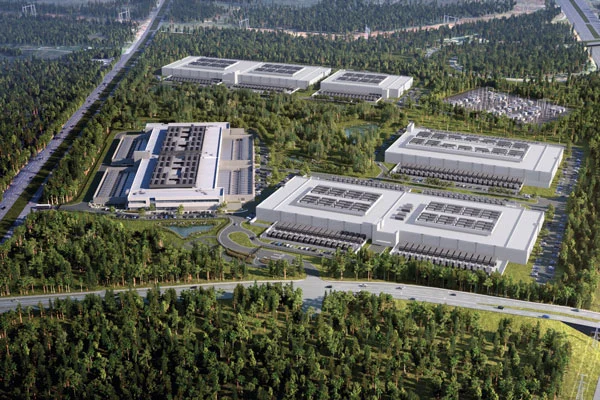
Image: Data-centre campus aerial — WAAR editorial archive
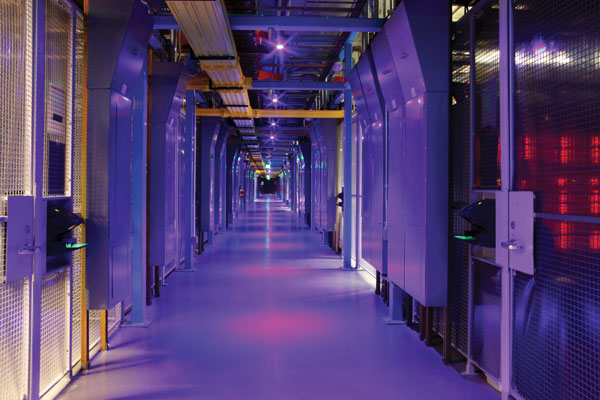
Image: Data-hall corridor — WAAR editorial archive
AI's Biggest Building May Not Be a Skyscraper
WAAR Editorial · 2 min read
Artificial intelligence requires physical infrastructure.
Behind every AI model is an extraordinary network of processors, power systems, cooling infrastructure, fibre connectivity and highly specialised buildings.
That is turning data centres into one of the most consequential development stories in global real estate.
JLL estimates that almost 100 GW of new data-centre capacity could be added globally between 2026 and 2030, potentially doubling global capacity.
But there is a problem.
AI infrastructure requires enormous quantities of electricity — and increasingly, water and land.
That is changing the traditional logic of real-estate development.
Developers are increasingly looking beyond established urban markets toward locations where power and land can be secured more efficiently. Recent European reporting shows a significant movement toward less urbanised locations as developers search for available energy, land and faster utility connections.
The implications extend far beyond technology.
Landowners are reassessing property values.
Governments are reconsidering infrastructure planning.
Investors are examining power availability as closely as traditional real-estate fundamentals.
And architects are being challenged to design buildings whose visual language may be very different from conventional commercial architecture.
The next great real-estate race may not be for the best view. It may be for the best connection to power.