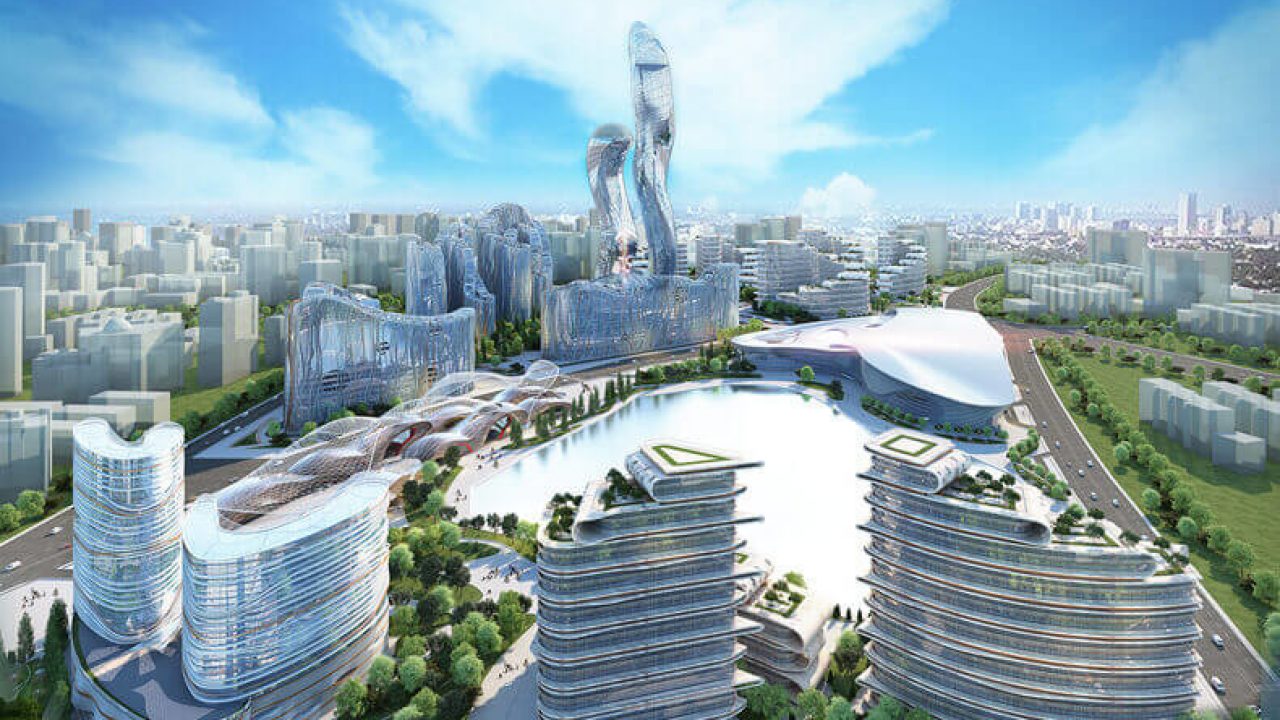
Illustration: Diamniadio Lake City masterplan — supplied to WAAR
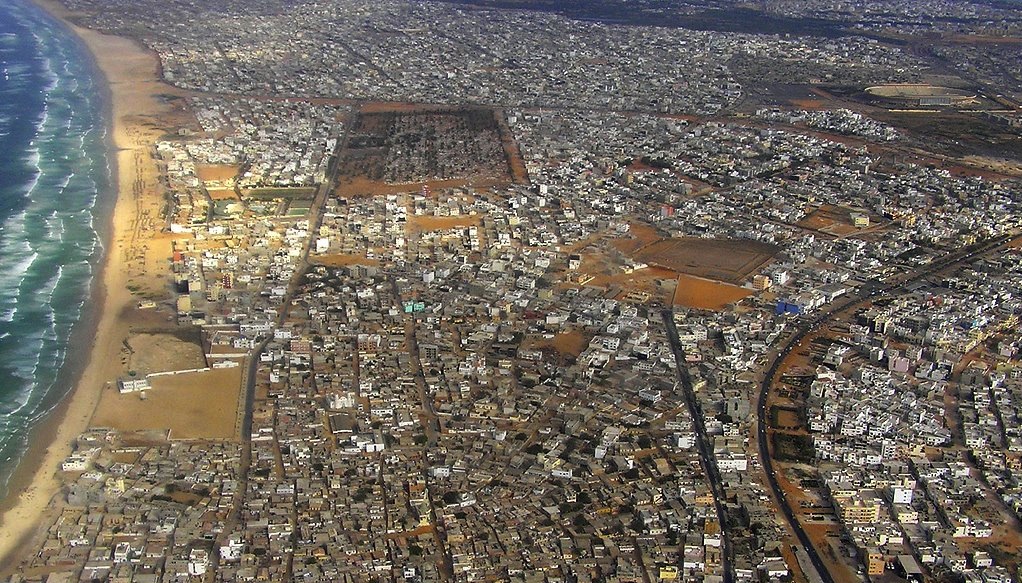
Image: Dakar's coastal urban expansion — supplied to WAAR
Diamniadio: Inside Senegal's $2 Billion Bet on a Futuristic City
WAAR Editorial · 2 min read
Approximately 30 kilometres outside Dakar, Diamniadio is Senegal's most ambitious attempt to redistribute the pressure of growth. Approved in 2013 under President Macky Sall, the new-city programme represents an investment of roughly $2 billion and brings government, education, housing, commerce and international institutions onto a vast inland site.
At its centre is Diamniadio Lake City, designed by the Dubai-based practice Bakri & Associates under Lebanese-American architect Hussein Bakri. Semer Investment Group, headed by Senegalese engineer Diene Marcel Diagne, won the contract for a development intended to project a new image of metropolitan Senegal.
The wider urban area extends across approximately 4,000 acres and is planned for about 350,000 residents. A university for 30,000 students forms part of the social infrastructure, signalling that Diamniadio is intended to function as more than an administrative satellite.
Connectivity is fundamental to that ambition. A 32-kilometre toll highway and an express rail link tie the city back to Dakar, allowing institutions and residents to move inland without severing access to the capital's economy and coastline.
The United Nations House, inaugurated in November 2023, gives the district its most complete international landmark. Designed by Wilmotte & Associés under French architect Jean-Michel Wilmotte, the 60,000-square-metre complex takes the form of a water wheel and brings 34 United Nations agencies together. Local architect B.E.A.U contributed to the project, delivered through a public-private partnership with Envol Partenariats SN.
Government reporting has placed the broader development at approximately 80 per cent complete, with full completion targeted for 2035. That extended timetable reflects the reality that a city is not delivered like a single building; infrastructure, institutions, housing and economic activity must mature together.
Diamniadio also carries a cautionary regional comparison. The much-publicised $6 billion Akon City — designed by the same Bakri & Associates studio — collapsed, and its land was reclaimed in 2025. The contrast makes delivery, governance and inhabited public life more important than futuristic imagery.
WAAR PERSPECTIVE
Diamniadio's importance will be measured by whether it genuinely relieves Dakar, creates opportunity and becomes a lived city. Its most persuasive architecture may ultimately be the network of institutions, transport and public spaces that allows the masterplan to endure beyond its renderings.