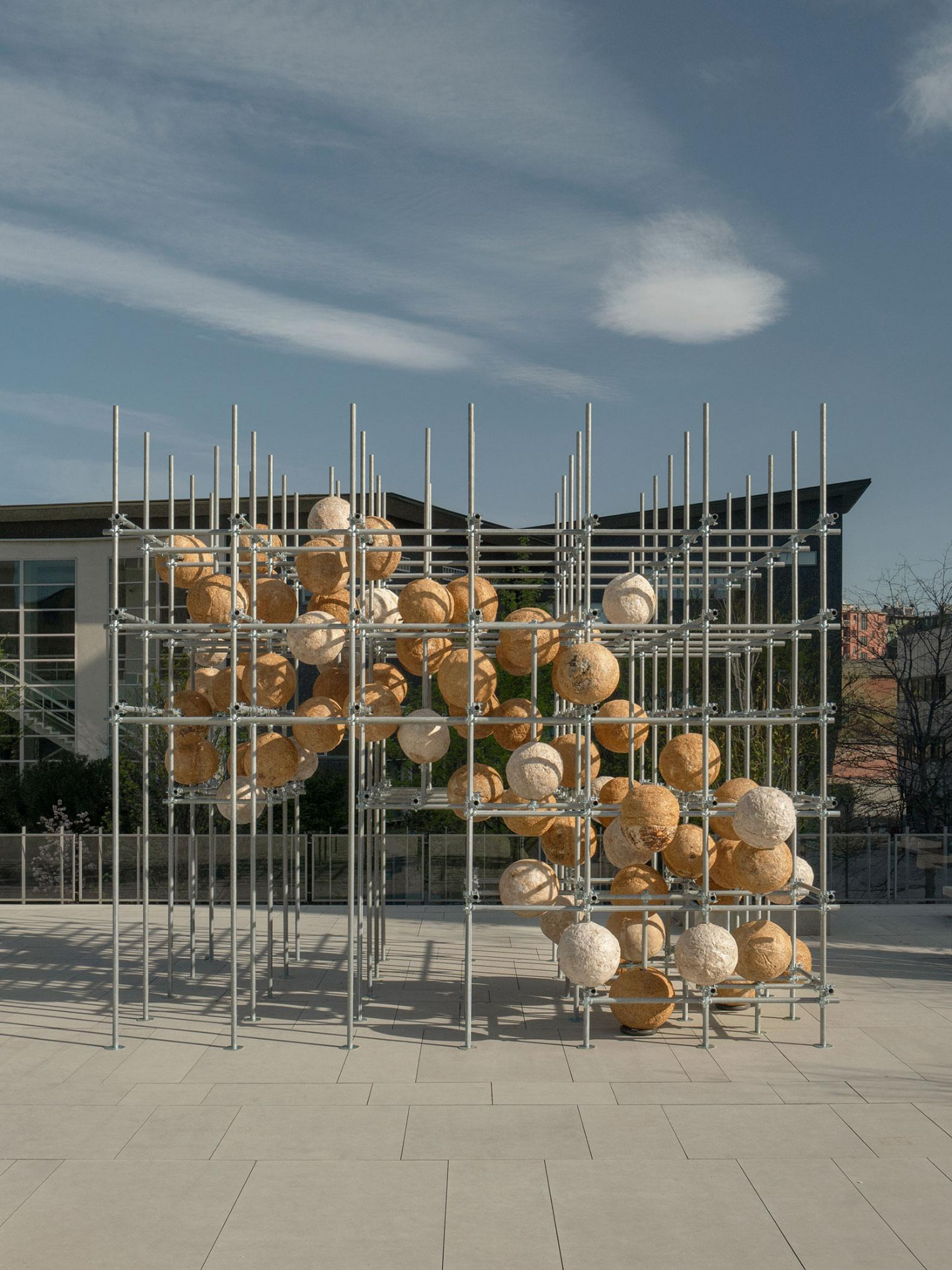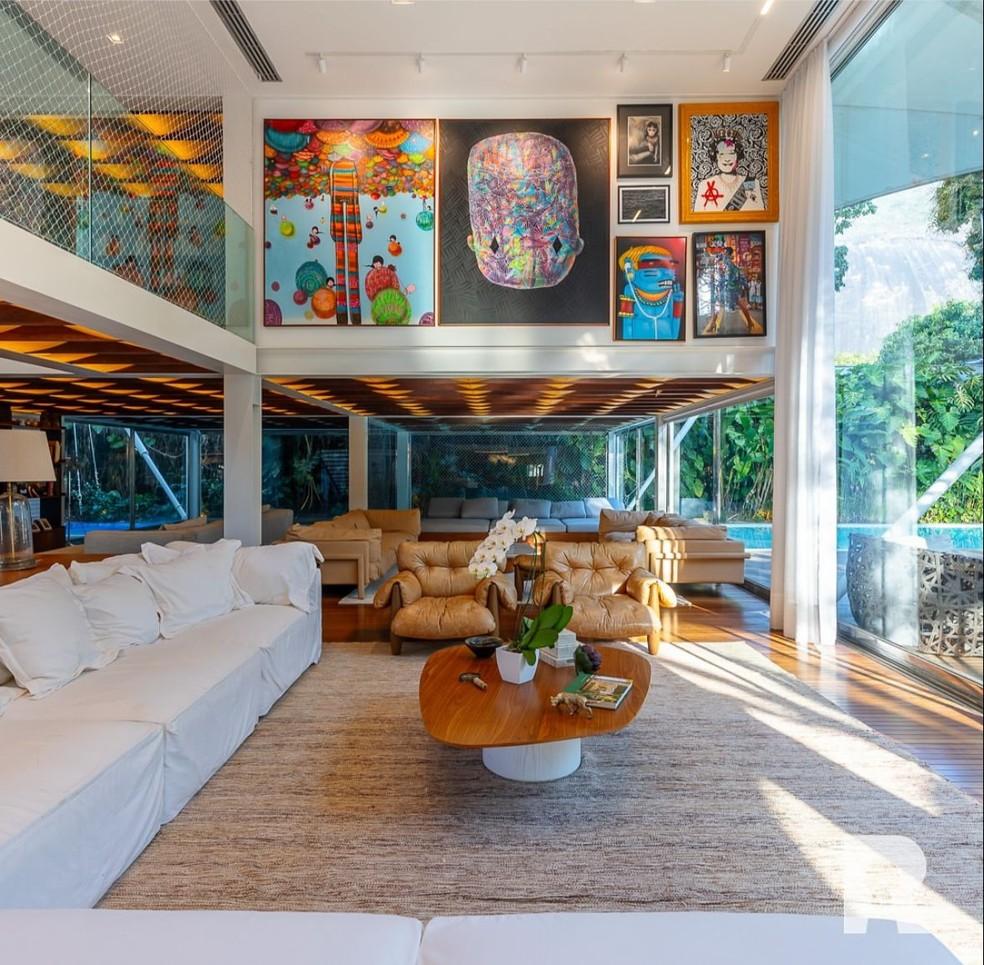
Image: Art displayed across a double-height living room — Gshow Globo
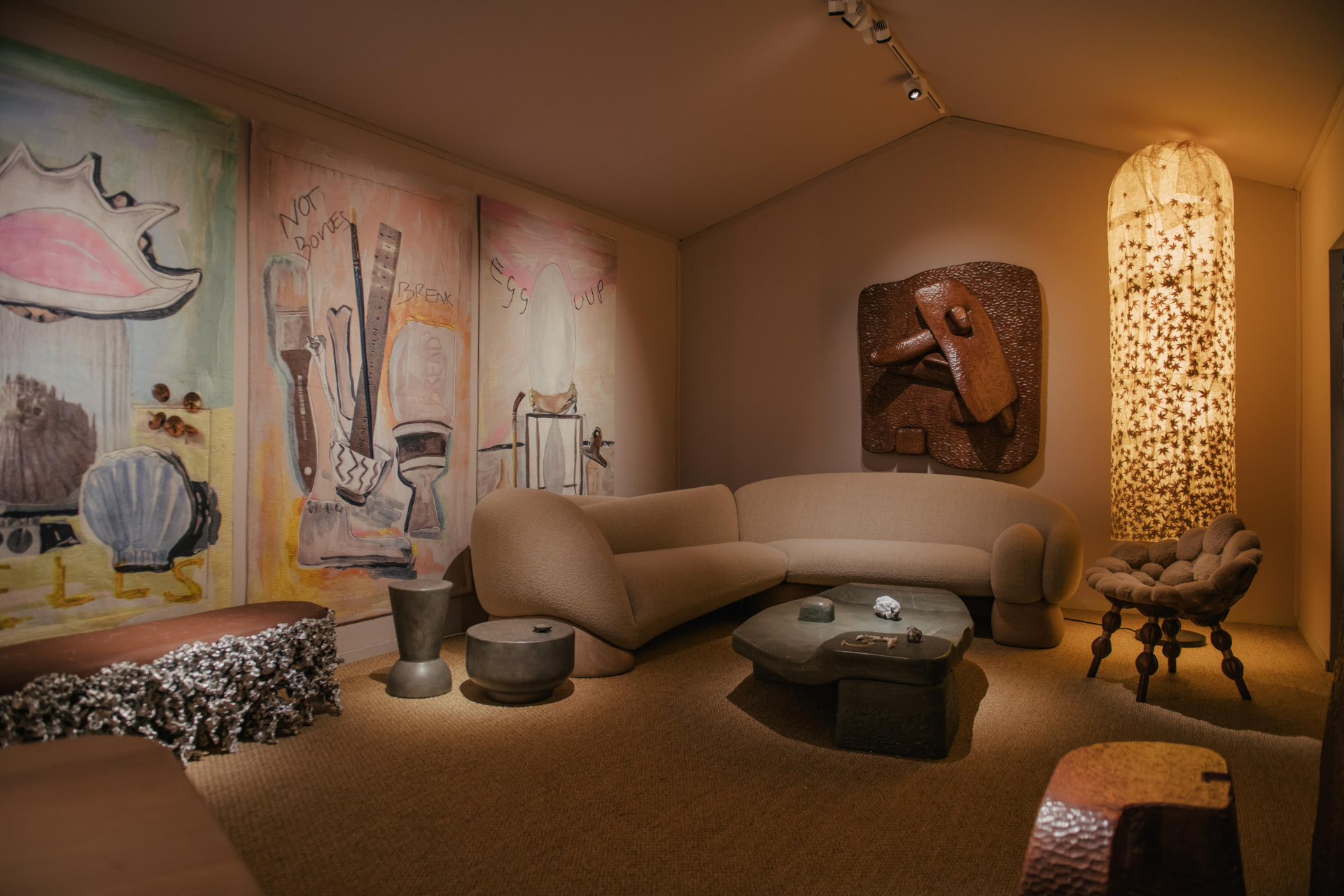
Image: A living room where paintings, sculpture, lighting and furniture share the composition — Frieze 2025
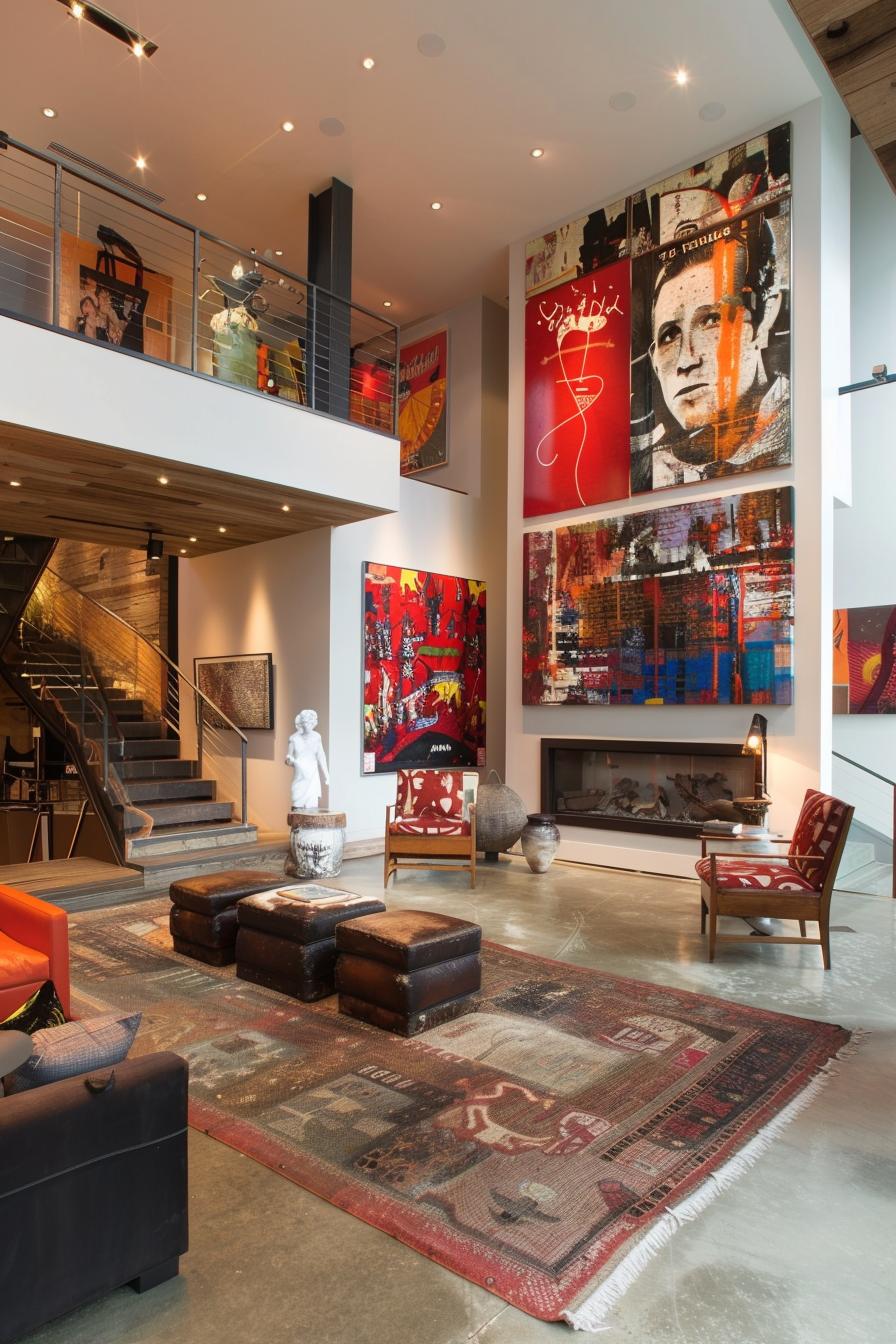
Image: A personal collection integrated into a residential interior — Dreamy Homestyle
The Home Becomes the Gallery
WAAR Editorial · 2 min read
THE NEW ART OF LIVING
How art, design and architecture are redefining contemporary luxury.
Luxury has spent decades learning how to look expensive. Now it is learning how to mean something.
The immaculate, perfectly coordinated room is giving way to something more particular: an interior assembled around art, collectible design, craftsmanship, memory and objects with a story. Instead of asking whether every piece matches, the interesting question is what each one brings to the room — and to the person who lives there.
Money does not settle the question. A home filled with expensive objects can still read as anonymous, while an interior with a point of view gains its character through choices made over time: the painting kept through several moves, a ceramic vessel made by hand, a chair chosen for its form as much as its function.
BEYOND DECORATION
For years, art was often treated as the final layer. The architecture was completed, the furniture selected, the lighting installed; then a painting was chosen to occupy the largest available wall.
That hierarchy can be reversed. A sculpture might determine the space left around a dining table. A work on paper can influence the wall finish behind it. A textile can establish the palette before a sofa is chosen. Daylight, sightlines and the scale of a room become part of the conversation with the collection, rather than decisions made before it arrives.
This is where architecture matters. A generous wall, a carefully placed window or a quiet threshold can give an artwork room to breathe. A room need not resemble a formal gallery; it needs to allow its objects, and the life around them, to be seen clearly.
A HOME WITH A POINT OF VIEW
The best interiors are not static displays. Furniture is used; artworks are lived alongside. New objects join older ones, and the arrangement changes as tastes evolve. That willingness to let a home develop makes it feel collected rather than merely styled.
Decoration can make a room beautiful. Curation gives it identity. The strongest interiors reveal taste and curiosity without turning daily life into a showroom. They feel as though they belong to someone — not because they announce wealth, but because they hold evidence of attention.
And the boundary between the objects in such a room is becoming less clear. Furniture itself is beginning to cross the line between design and art.
NEXT IN THE SERIES
Part II — When Furniture Becomes Art.