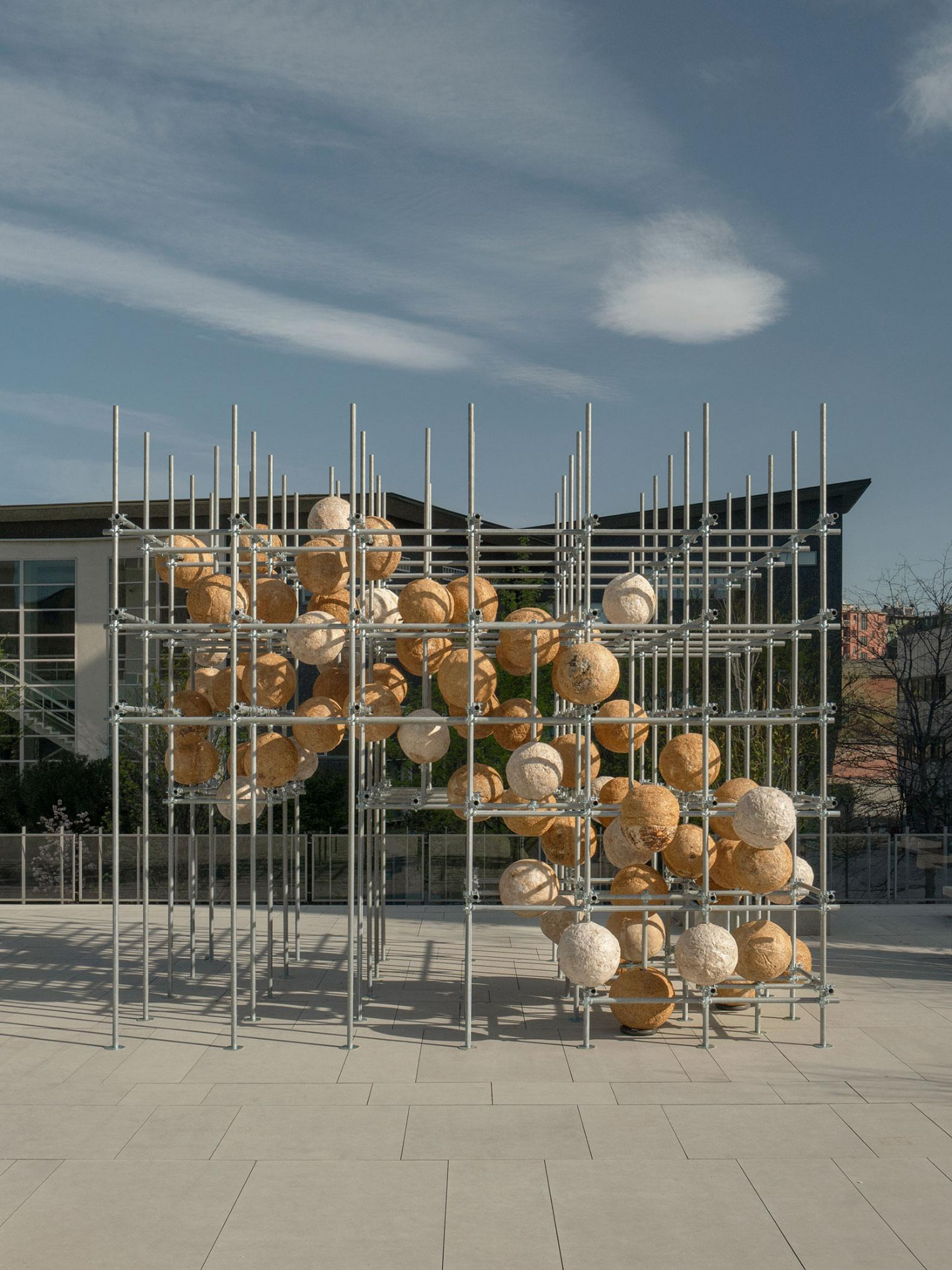
Image: Generative architectural concept — WAAR editorial archive
The AI Architect Is Here
WAAR Editorial · 2 min read
Architecture has always evolved with technology. The drawing board gave way to CAD; physical models were supplemented by digital simulations; BIM transformed the way buildings were coordinated. Now, artificial intelligence is entering the profession at a far more fundamental level.
In 2026, AI is moving beyond generating attractive architectural images. Architects are increasingly using AI to explore design alternatives, interpret regulations, organise practice knowledge and create analytical feedback loops that can test performance much earlier in the design process. The significance is enormous.
An architect can describe a spatial ambition in natural language, generate multiple possibilities, test daylight and energy performance, alter massing and rapidly compare alternatives before committing to a conventional design workflow.
But the most interesting question is not whether AI can design a building. It is what architects will do with the time AI gives back to them. The profession's competitive advantage may increasingly move away from simply producing drawings and toward defining vision, understanding people, interpreting place and making decisions that machines cannot make alone.
The architect of the future will not necessarily compete with AI. The architect who understands AI may compete with the architect who does not.
WAAR Perspective: AI should not eliminate architectural authorship. It should expand the architect's ability to explore what was previously too complex, expensive or time-consuming to investigate.