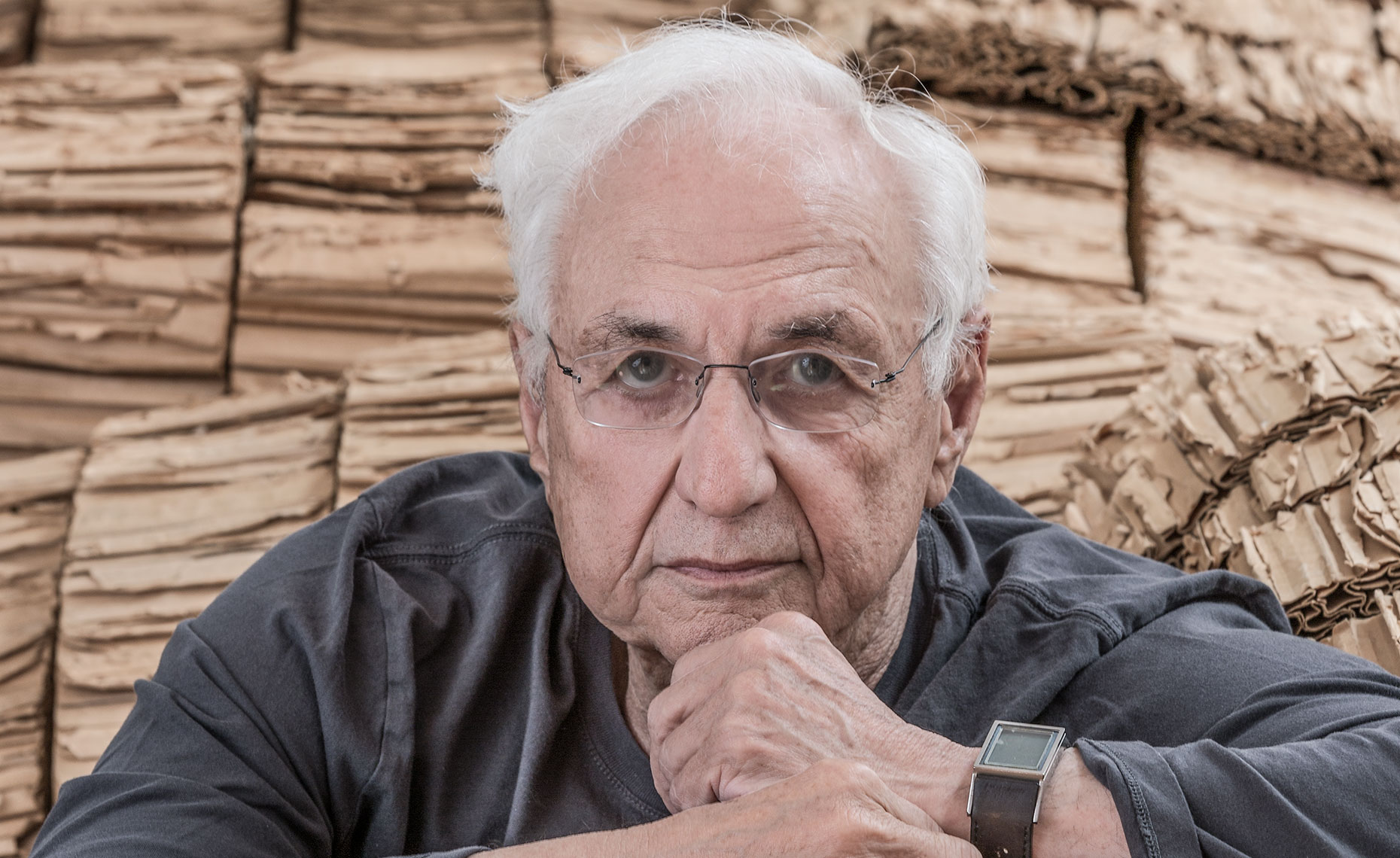
Portrait: Frank Gehry — supplied to WAAR
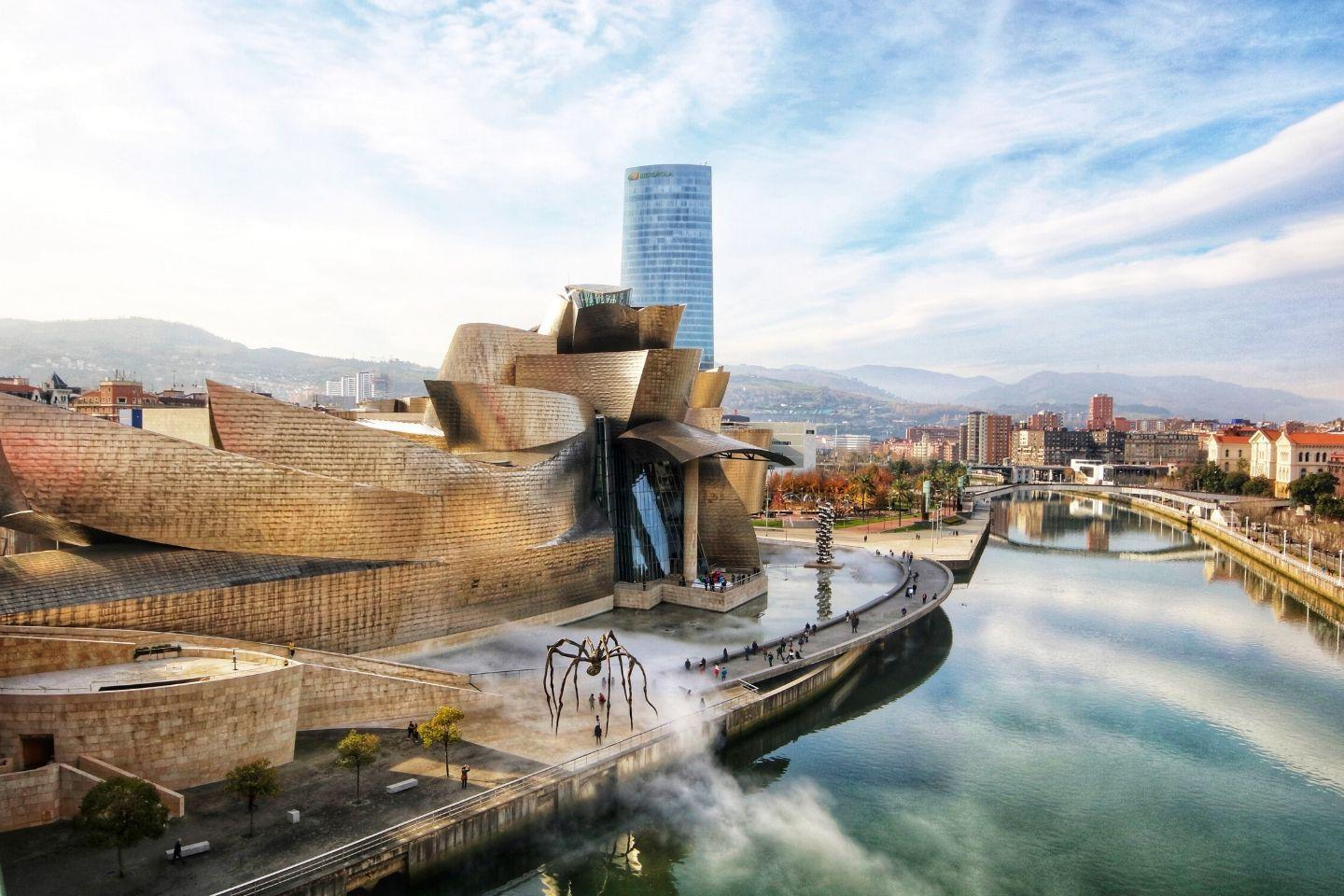
Guggenheim Museum Bilbao (1997) on the Nervión: titanium scales, limestone and Louise Bourgeois's Maman — the building that gave a city a new identity.
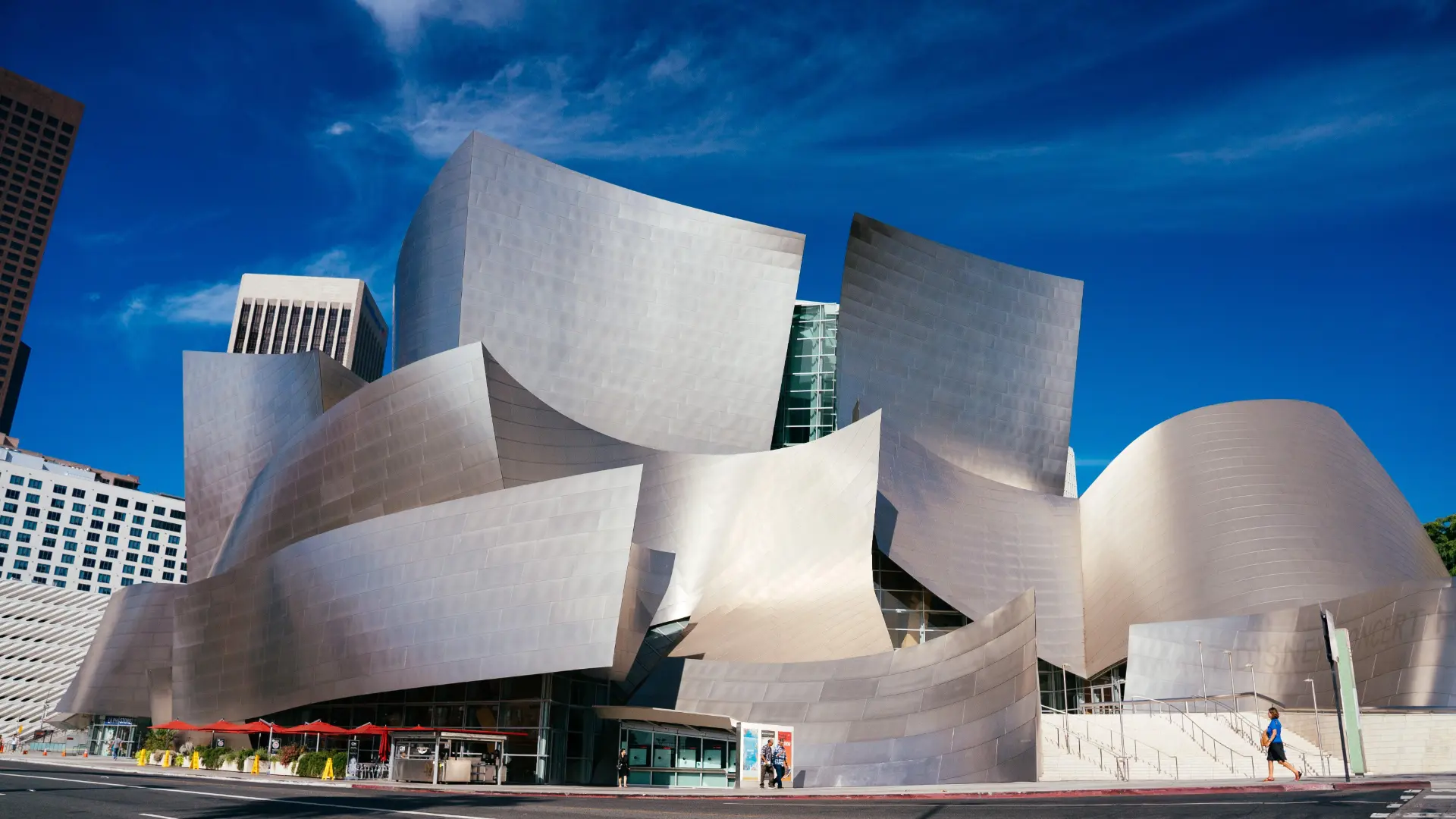
Walt Disney Concert Hall, Los Angeles (2003): stainless-steel sails wrapped around an auditorium celebrated as much for its acoustics as for its form.
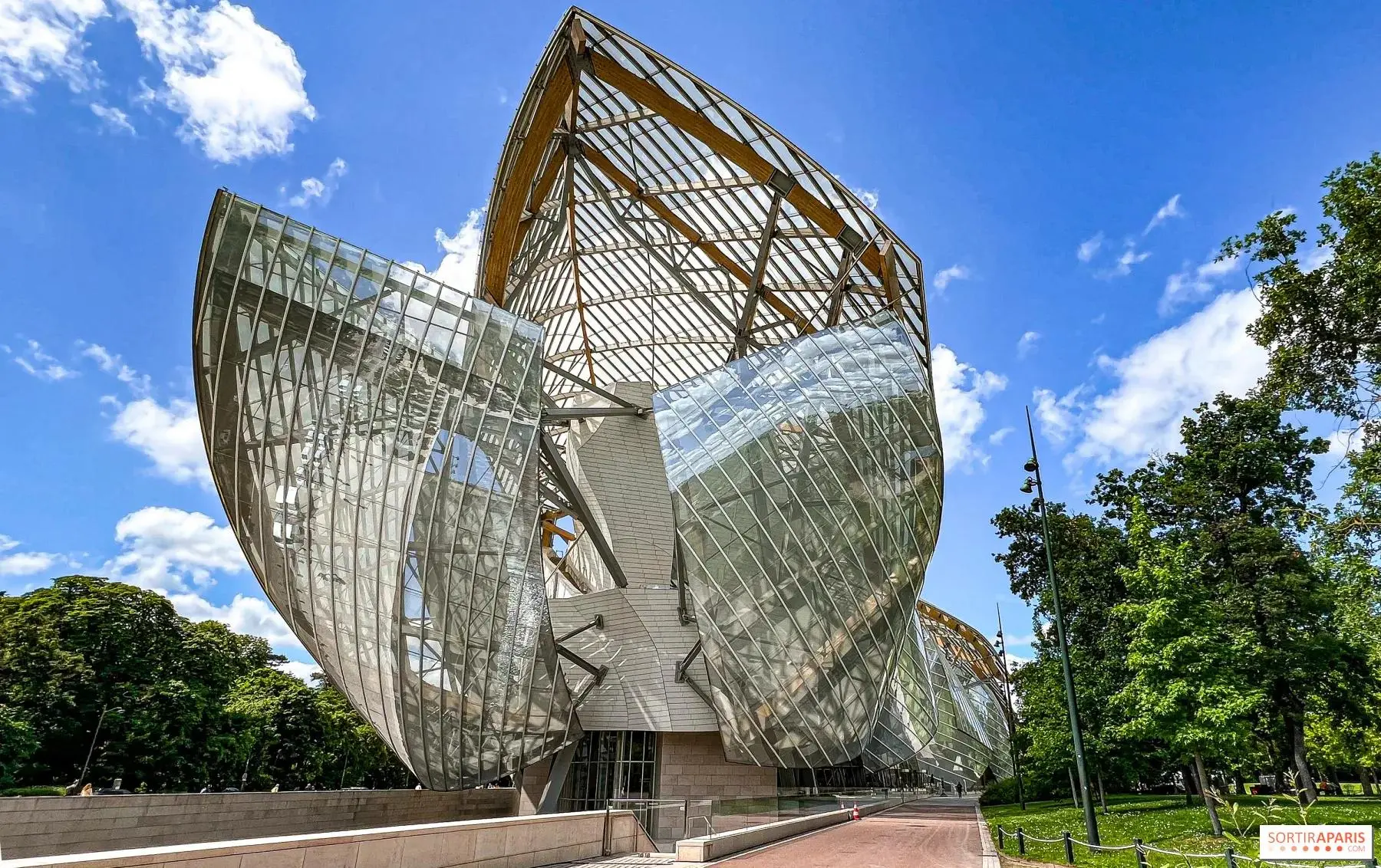
Fondation Louis Vuitton, Paris (2014): twelve glass sails over a white-panelled core in the Bois de Boulogne — lightness rendered at monumental scale.
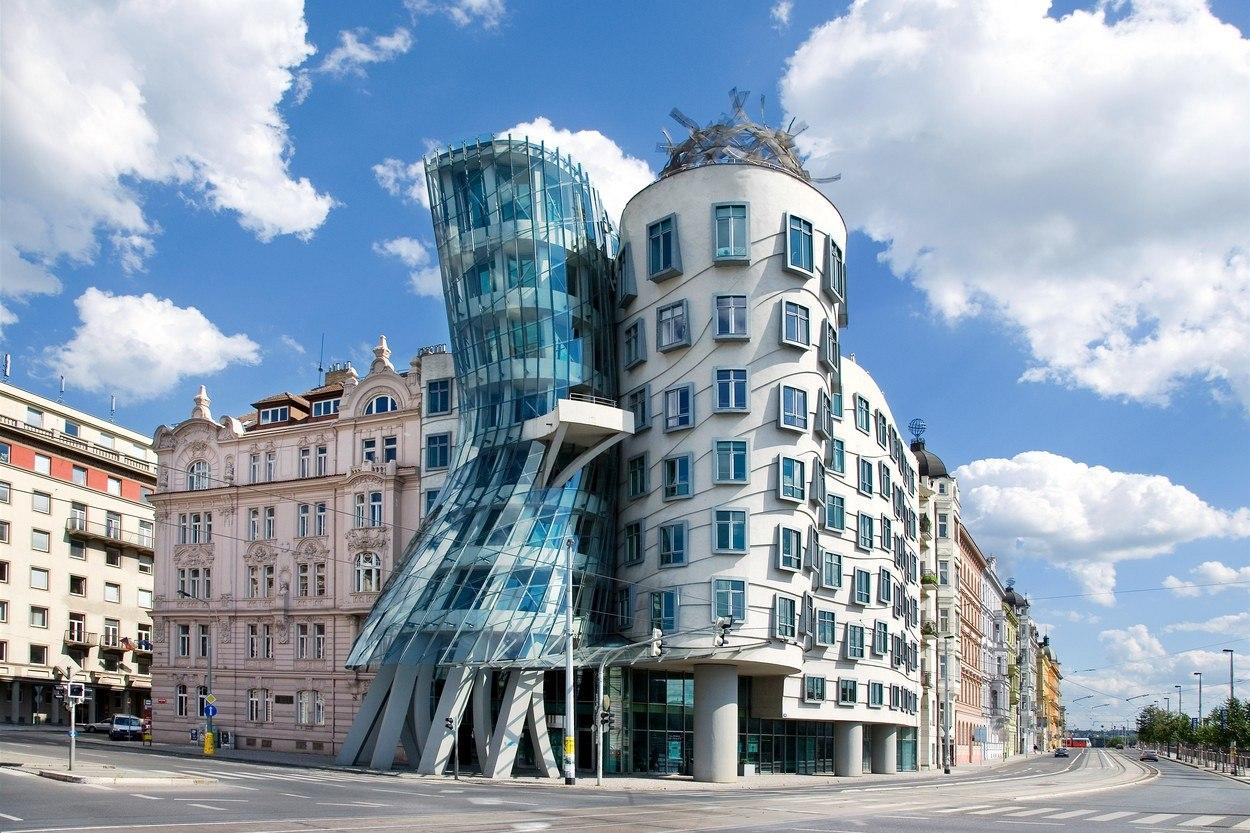
Dancing House, Prague (1996), with Vlado Milunić: the glass tower known as 'Ginger' leans into its partner 'Fred' on the bank of the Vltava.
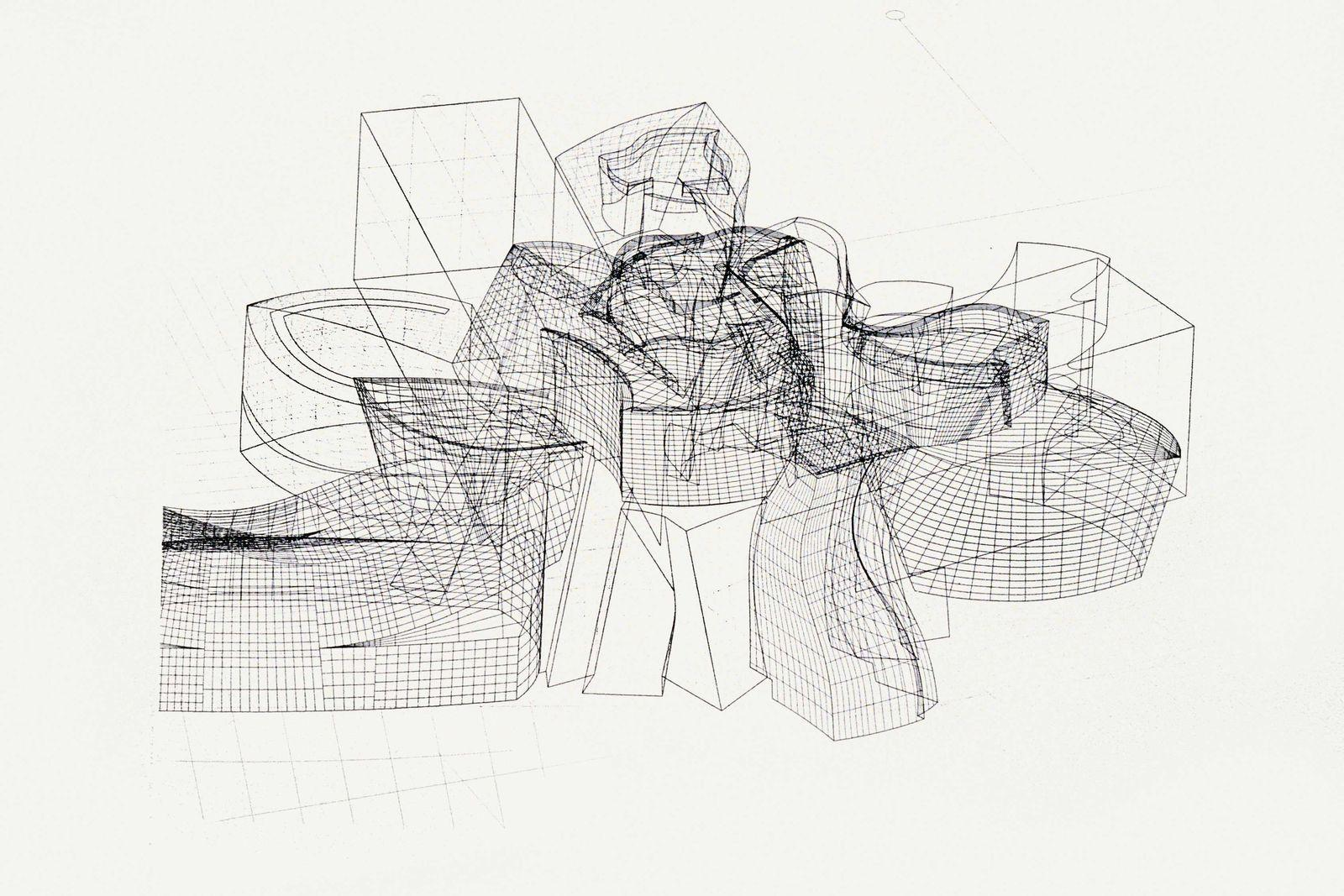
Digital surface model of Guggenheim Bilbao: CATIA, adapted from aerospace engineering, allowed Gehry's sculptural sketches to be measured, fabricated and built.
A Tribute to Frank Gehry: The Architect Who Made Buildings Move
Written by Patrick Nwabia · 4 min read
Frank Gehry died on 5 December 2025 at the age of 96, leaving an architectural language that made weight appear mobile and hard materials feel almost improvised. From Bilbao to Los Angeles, his buildings rejected the idea that cultural architecture should sit quietly in the city.
FROM TORONTO TO SANTA MONICA
Born Frank Owen Goldberg in Toronto in 1929, he moved to Los Angeles as a teenager, drove a delivery truck and studied architecture at the University of Southern California. The city's improvised suburbs, its artists and its cheap industrial materials would shape him more decisively than any academy.
The turning point arrived at home. In 1978 he wrapped his modest Santa Monica bungalow in corrugated metal, plywood and chain-link fencing. Neighbours were unsettled; architects were electrified. The house showed that ordinary materials, assembled with conviction, could make a building feel unfinished, alive and entirely new.
THE BILBAO EFFECT
Guggenheim Museum Bilbao, opened in 1997, transformed that experiment into a global event. Its titanium-clad volumes curl along the Nervión like a ship, a fish and a flower at once, and the museum helped turn a post-industrial port into an international destination. The phrase 'Bilbao effect' entered the vocabulary of cities everywhere — often invoked, rarely repeated.
What made it possible was as much technical as artistic. Gehry's office adapted CATIA, software developed for the French aerospace industry, to translate crumpled paper models into buildable geometry. That digital discipline allowed his apparent spontaneity to be engineered with precision, and it quietly changed how complex architecture is designed and delivered worldwide.
A LANGUAGE OF MOTION
In Prague, the Dancing House — designed with Vlado Milunić and completed in 1996 — set a pinched glass tower against a solid partner, nicknamed Fred and Ginger after Astaire and Rogers. In Los Angeles, Walt Disney Concert Hall, completed in 2003, wrapped a warm timber auditorium in billowing stainless steel, proving that his forms served sound and civic gathering, not spectacle alone.
In Paris, the Fondation Louis Vuitton, opened in 2014, pushed the idea towards lightness: twelve curved glass sails float over a white core in the Bois de Boulogne. Across these buildings, the recurring achievement is the same — mass made to appear in motion, and visitors drawn through space as if by choreography.
Recognition followed early. Gehry received the Pritzker Architecture Prize in 1989, years before Bilbao made him a household name, and later the Presidential Medal of Freedom in 2016. Yet he remained wary of being called a 'starchitect', insisting that his work began with the client, the site and the people who would use it.
A LATE-CAREER VISION: ABU DHABI
Guggenheim Abu Dhabi, one of Gehry’s late-career museum projects, is scheduled to open on 11 December 2026 on Saadiyat Island, according to Abu Dhabi’s Department of Culture and Tourism. Its 5 October 2026 update gives a total building area of approximately 84,000 square metres and 28 galleries. Intended to become the largest institution in the Guggenheim network, the project extends Gehry’s architectural legacy to the Gulf.
The museum is organised around ten sculptural cones rising to as much as 88 metres. These forms act simultaneously as galleries, markers and environmental devices, while a broad mesh canopy filters the intensity of Gulf sunlight and binds the composition together.
The project was announced in 2006. Construction began in 2011, was suspended, and resumed in 2019 — a long gestation that has allowed the building to accumulate expectations far beyond those of a conventional museum opening.
Guggenheim Abu Dhabi will operate jointly with Abu Dhabi's Department of Culture and Tourism. Its scale is designed to support commissions and installations that exceed the limits of traditional galleries, giving artists room to determine the architecture of exhibition rather than merely occupy it.
The museum will stand within a wider cultural district that includes Dar Al Funoon, Abu Dhabi's planned performing-arts venue. Together, these institutions recast Saadiyat not as a collection of isolated icons but as an emerging civic landscape for art, performance and public life.
WAAR PERSPECTIVE
Gehry's lasting achievement was not simply that he made buildings look as though they could move. He showed that structure, light and circulation could create emotion at an urban scale, and that the most daring forms could be delivered with rigour. Bilbao opened the door; Abu Dhabi carries that exploration into another cultural setting. Guggenheim Abu Dhabi will be judged as a museum, but it also belongs to the enduring legacy of an extraordinary career.
Sources & further reading