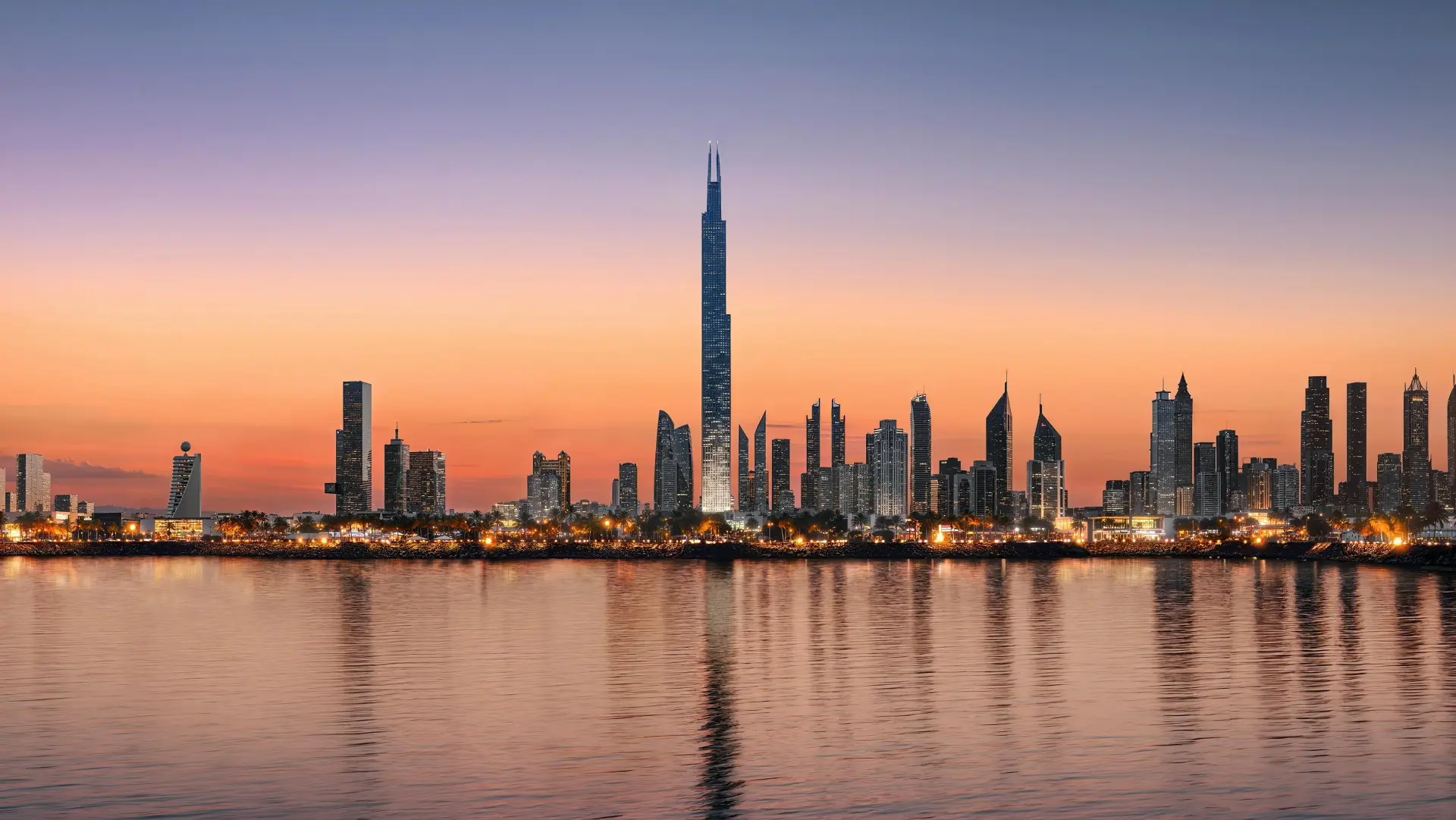
Burj Azizi, Sheikh Zayed Road: a proposed 725-metre, 133-storey tower, with completion forecast for 2030. Image credit: London Construction Magazine.
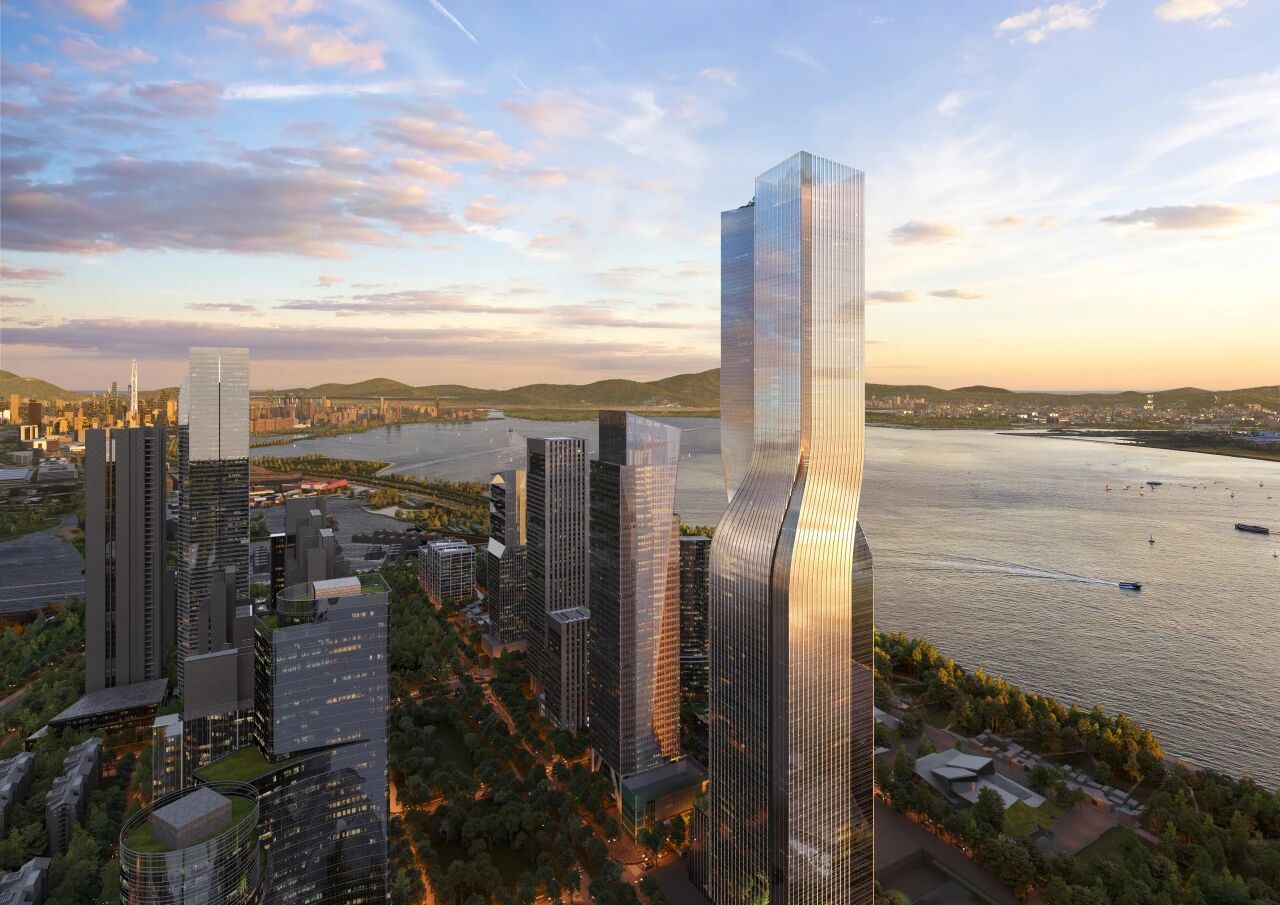
Shenzhen's commercial towers, where the Shenzhen Bay Financial Center Tower is rising towards 394.4 metres. Image credit: London Construction Magazine.
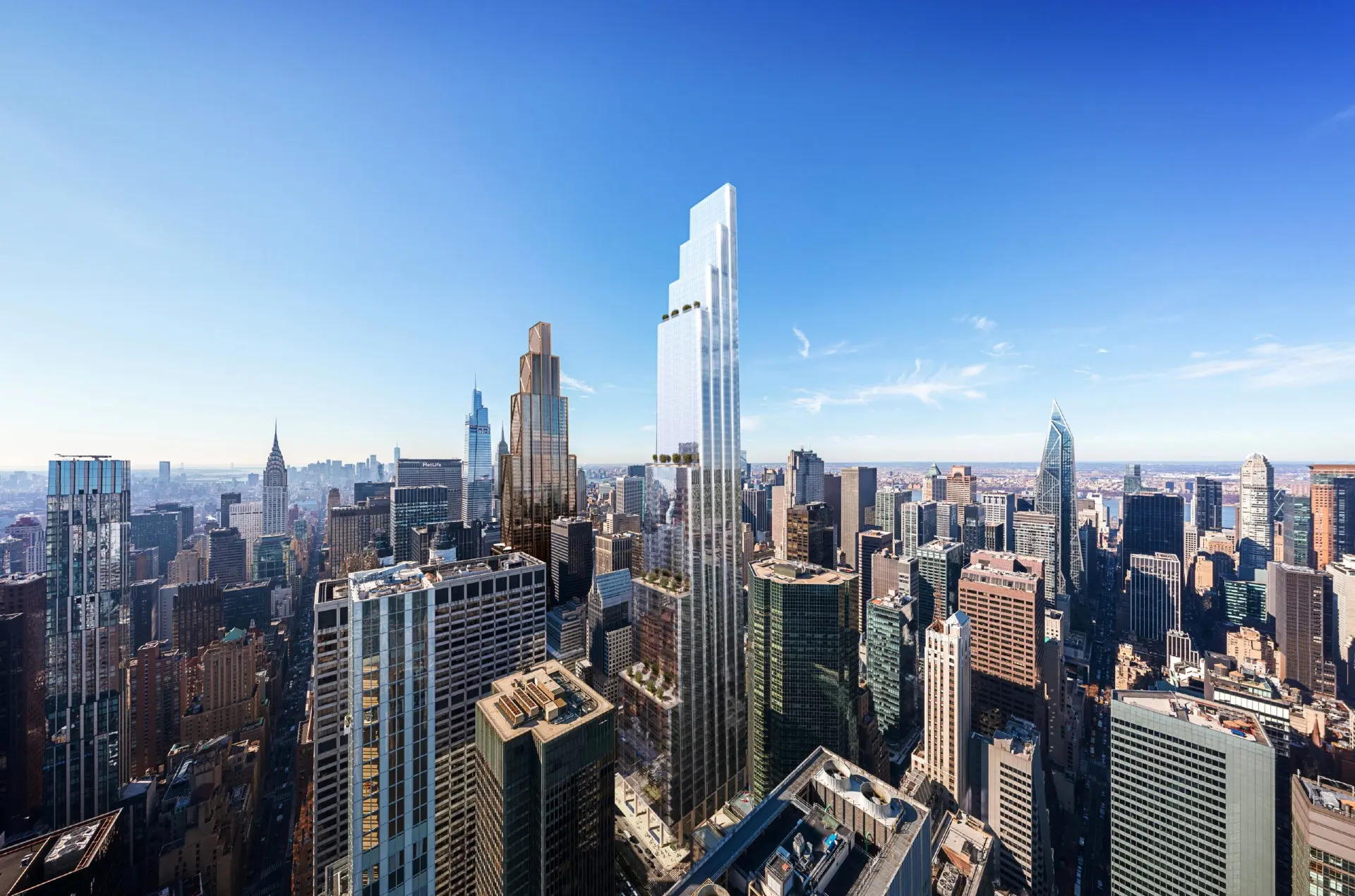
350 Park Avenue, New York: a major office development supported by a reported $3.3 billion construction loan. Image credit: London Construction Magazine.
London Construction Magazine Examines Leading Tall-Building Construction Markets
WAAR Editorial · 6 min read
London Construction Magazine examines the world's leading tall-building construction markets in its article Global Tall Building Construction 2027: Ten Cities to Watch. WAAR reports on the publication's findings here, with a focus on Dubai and the wider architectural and engineering outlook; the original article and research are by London Construction Magazine.
A new international study by London Construction Magazine, Global Tall Building Construction 2027: Ten Cities to Watch, places Dubai among ten significant cities shaping the next chapter of tall-building construction. Published in November 2026, the study examines major developments across ten countries, considering construction progress, structural engineering, contractor appointments and projected delivery programmes.
The findings offer a revealing perspective on how the global skyscraper landscape is evolving — and why Dubai continues to attract developers, investors, architects and specialist construction companies.
THE NEXT CHAPTER OF DUBAI'S VERTICAL AMBITION
At the centre of the report's Dubai coverage is Burj Azizi, a proposed 725-metre, 133-storey tower on Sheikh Zayed Road. Developed by Azizi Developments, the project is expected to combine residential and hospitality accommodation with retail and other facilities.
Its construction programme reached an important milestone in April 2026, when Azizi awarded an AED 1.1 billion structural steelwork package to Eversendai Corporation. The award illustrates the scale of specialist procurement required for a development of this magnitude. Importantly, the figure represents the steelwork package rather than the overall development cost.
With completion forecast for 2030, Burj Azizi reflects the considerable technical and logistical demands of building at exceptional heights. Foundation engineering, reinforced concrete, structural steel, lifting systems, façade installation and vertical transportation must all operate within a single, integrated construction programme.
At this scale, architecture is inseparable from engineering. Every additional level introduces questions of structural performance, wind resistance, construction sequencing and the efficient movement of people and materials.
BEYOND HEIGHT: A MORE DIVERSE SKYSCRAPER LANDSCAPE
Dubai's ambitions extend beyond a single landmark. The report also identifies Burj Binghatti Jacob & Co Residences, recorded at 595 metres, as another expression of the city's expanding branded-residential market.
Six Senses Residences Dubai Marina presents a different architectural and construction challenge. The development builds upon the partially completed structure of the former Pentominium project, requiring new construction and building systems to be integrated with a structure developed under an earlier programme.
This approach raises important questions about adaptive construction, structural assessment and the potential to give previously stalled developments a new purpose.
Together, these projects demonstrate that Dubai's vertical development is not defined by height alone. Branding, hospitality, residential experience, structural innovation and the reuse of existing assets are all shaping the changing character of its skyline.
A GLOBAL RACE SHAPED BY ENGINEERING AND AMBITION
Dubai is part of a much wider international transformation. London Construction Magazine's research examines ten cities: Dubai, Jeddah, Shenzhen, Mumbai, New York, Toronto, Busan, Bangkok, Sydney and London. Rather than presenting a numerical ranking, it selects developments on the basis of construction scale, technical characteristics and documented progress.
Among the most ambitious is Jeddah Tower, planned to exceed 1,000 metres. According to the November 2026 construction update cited in the study, the tower had reached approximately 482 metres and 120 floors, with completion forecast for 2028.
In Shenzhen, the Shenzhen Bay Financial Center Tower is progressing towards a planned height of 394.4 metres, with completion forecast for 2029. Mumbai's Prestige Sky Tower, at 307.7 metres, represents the continued expansion of large-scale commercial architecture in India.
New York offers another perspective through 350 Park Avenue, a major office development supported by a reported $3.3 billion construction loan, while 2 World Trade Center is advancing as the future headquarters of American Express.
These projects illustrate how different economic environments and development priorities are shaping the next generation of tall buildings.
THE ENGINEERING STORY BEHIND THE SKYLINE
One of the more significant themes emerging from the study is the increasing diversity of construction methods.
In Sydney, Atlassian Central has reached its full structural height. Developed by Dexus and Atlassian, the approximately 183-metre office building combines engineered timber, steel and concrete — a demonstration of how hybrid structural systems are being explored as part of the industry's response to embodied carbon.
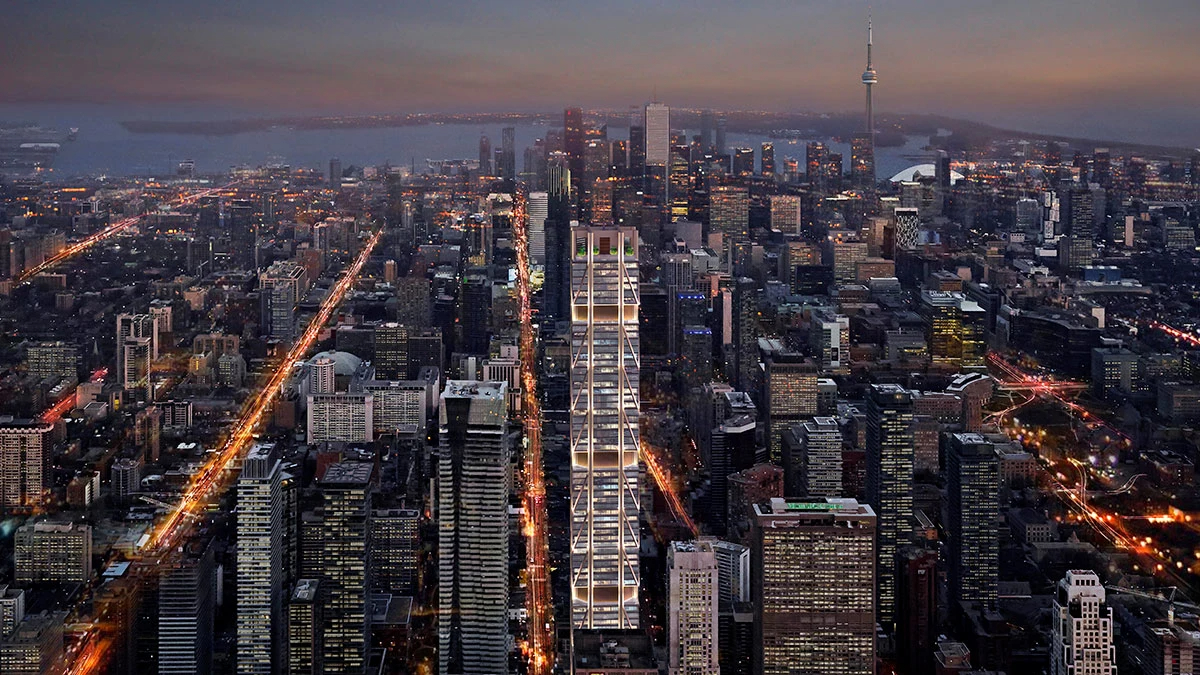
In Toronto, One Bloor West has reached its architectural height of 308.6 metres, with interim occupancy targeted for spring 2027 and overall completion forecast for early 2028.
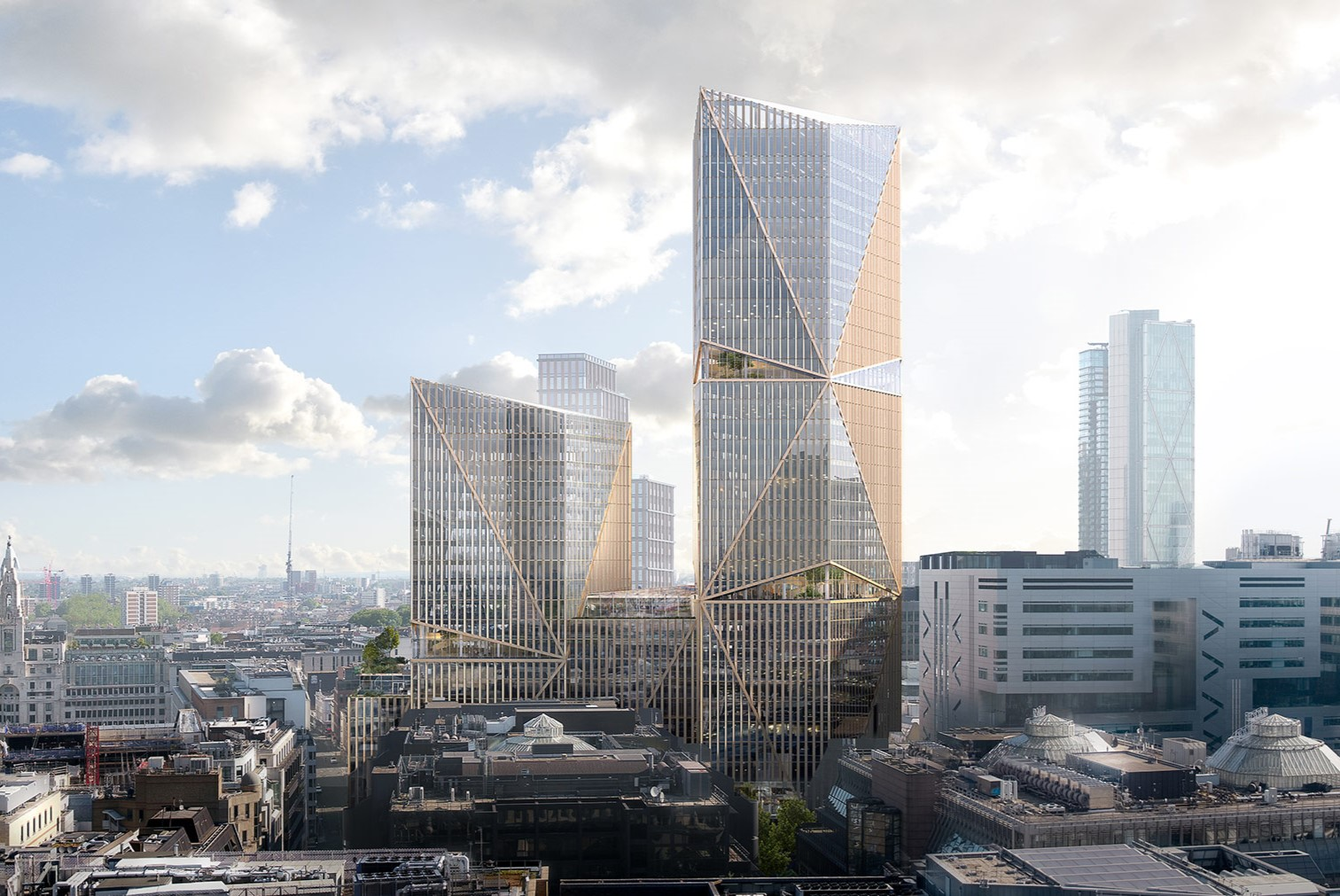
London's 2 Finsbury Avenue provides another compelling example. Its main structural frame has been completed, and the installation of all 5,792 unitised façade panels was confirmed in September 2026 — a measure of the complexity of coordinating structure, specialist façade systems and the remaining stages of delivery within a dense urban environment.
These examples reinforce an important distinction: reaching a building's full height is not the same as completing it. Façade installation, mechanical and electrical systems, interior fit-out, testing and commissioning remain critical stages in delivering a functioning building.
WHAT THE NUMBERS REVEAL ABOUT THE INDUSTRY
The scale of the global construction pipeline provides further context. The Council on Vertical Urbanism (CVU), formerly CTBUH, recorded 141 completions of buildings of at least 200 metres during 2025.
Its February 2026 report identified a further 396 buildings of at least 200 metres under construction or structurally topped out worldwide. Of these, 83 were supertall buildings of at least 300 metres — approximately 21 per cent of the identified pipeline.
The same report, however, recorded 115 projects of at least 200 metres on hold, including 88 in China. It is a reminder of an enduring reality: ambitious architectural proposals do not always translate into completed buildings. Financing, market demand, construction costs, regulation and contractor capacity remain decisive in determining which developments reach completion.
DUBAI'S POSITION IN THE FUTURE OF ARCHITECTURE
Dubai's significance in this international landscape extends beyond its collection of record-breaking towers. Its development model brings together international investors, specialist contractors, global architectural practices and advanced construction expertise within a highly competitive real estate market.
For architects and engineers, the city offers opportunities to explore ambitious structural forms, sophisticated building envelopes and increasingly complex mixed-use environments. For investors and developers, it remains a market where architectural distinction and international positioning are central to real estate value. The scale of procurement associated with Burj Azizi also shows the extensive network of specialist suppliers and contractors required to deliver a landmark.
Nevertheless, the next phase of Dubai's development will be measured not simply by how high its buildings rise, but by the quality of their architecture, the efficiency of their construction, their environmental performance and the lasting value they create for the city.
LOOKING TOWARDS 2027
The Global Tall Building Construction 2027 study offers a useful snapshot of an industry moving through different stages of ambition, engineering and delivery. From Dubai's megatall residential developments to Jeddah's kilometre-high ambition, Sydney's hybrid timber construction and London's technically complex commercial towers, it shows that the future of vertical architecture will be shaped by more than height alone.
For WAAR, the most interesting question is what these developments mean for our cities: how architecture responds to density, how engineering enables new possibilities, and how the built environment can balance ambition with sustainability and human experience.
Dubai remains firmly within that conversation.
Source: London Construction Magazine, Global Tall Building Construction 2027: Ten Cities to Watch, published 4 November 2026, and its accompanying Dubai press release. Construction positions and projected completion dates reflect information available up to 3 November 2026; completion dates are forecasts, not guarantees. London Construction Magazine is an independent UK publication covering major construction projects, contract awards, technical engineering and construction delivery in Britain and internationally.