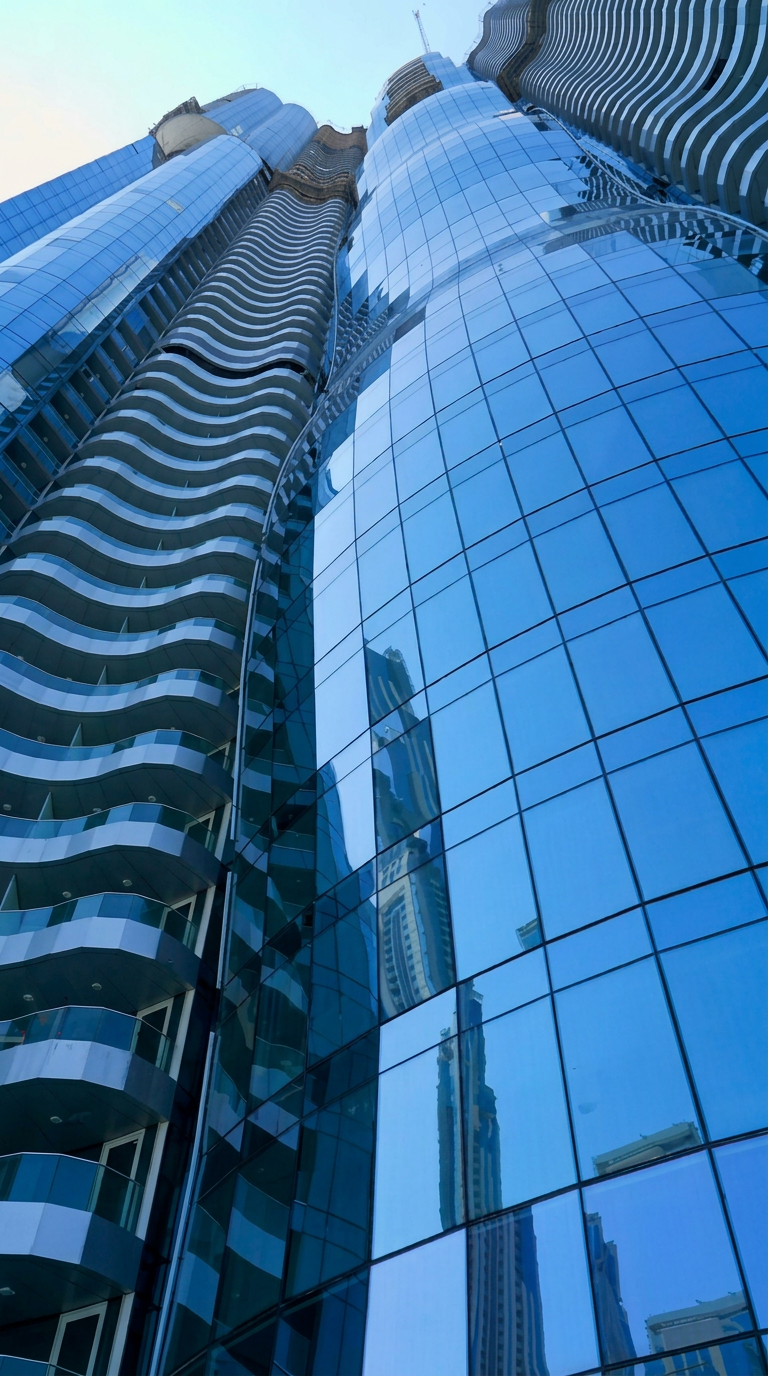
Image: The curved glass facade of Al Habtoor Tower rising over Business Bay — supplied to WAAR
The New Skyscraper Is Not Just a Building
WAAR Editorial · 2 min read
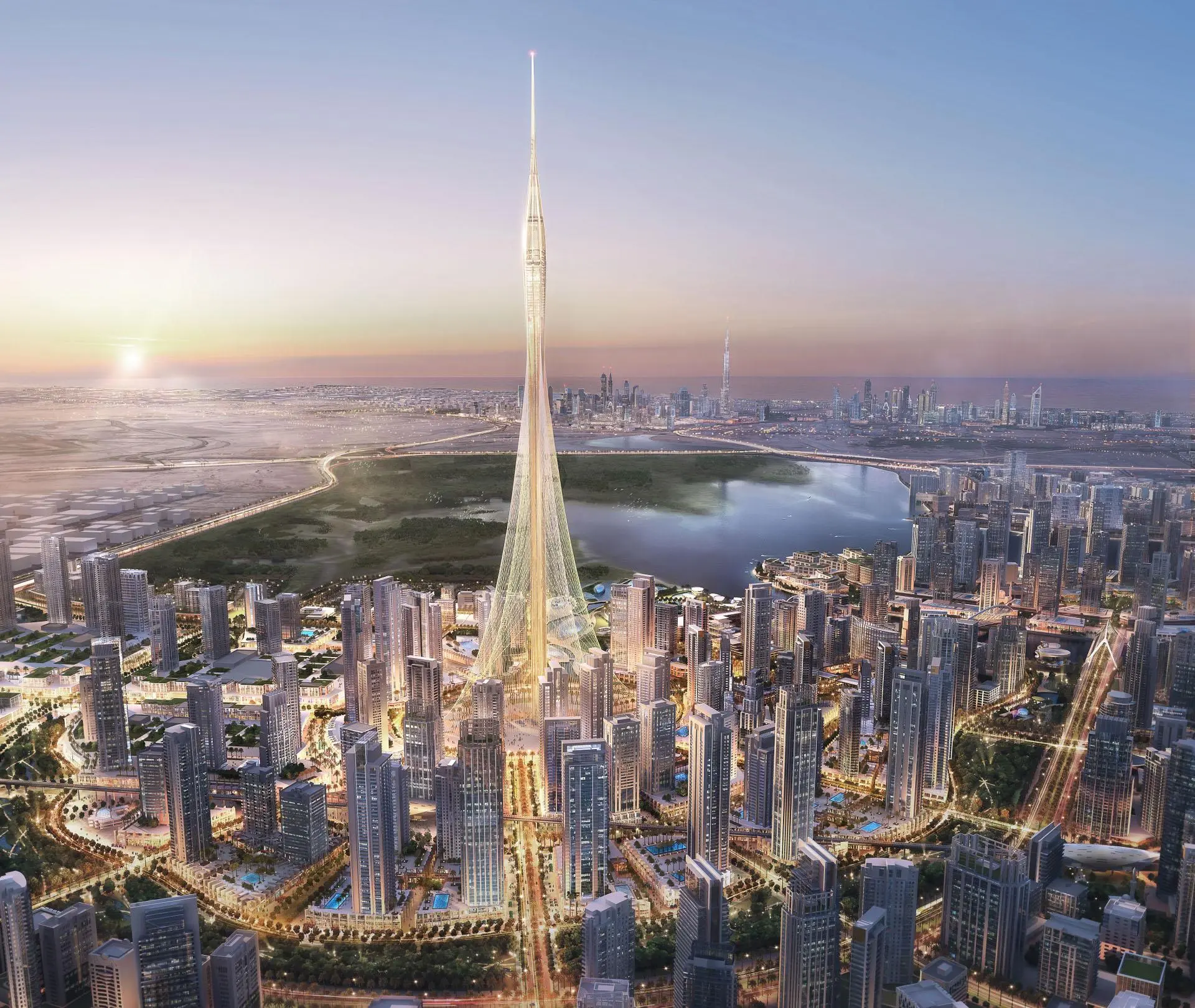
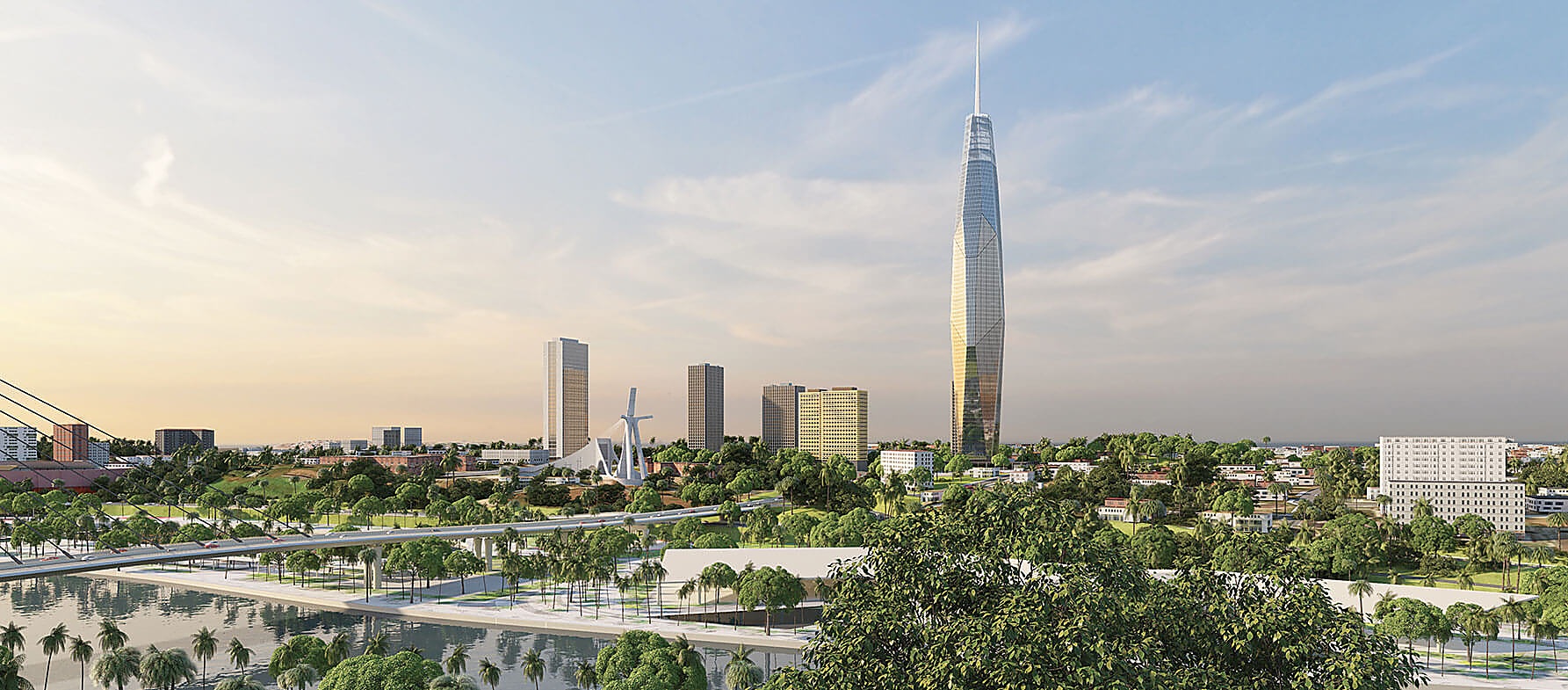
The skyscraper is entering another transformation. For decades, height was the ultimate expression of ambition. Today, the world's most sophisticated towers are being asked to accomplish much more: accommodate living, working, hospitality, retail, wellness, entertainment and increasingly intelligent building systems within a single vertical ecosystem. The tower is becoming a city compressed into architecture.
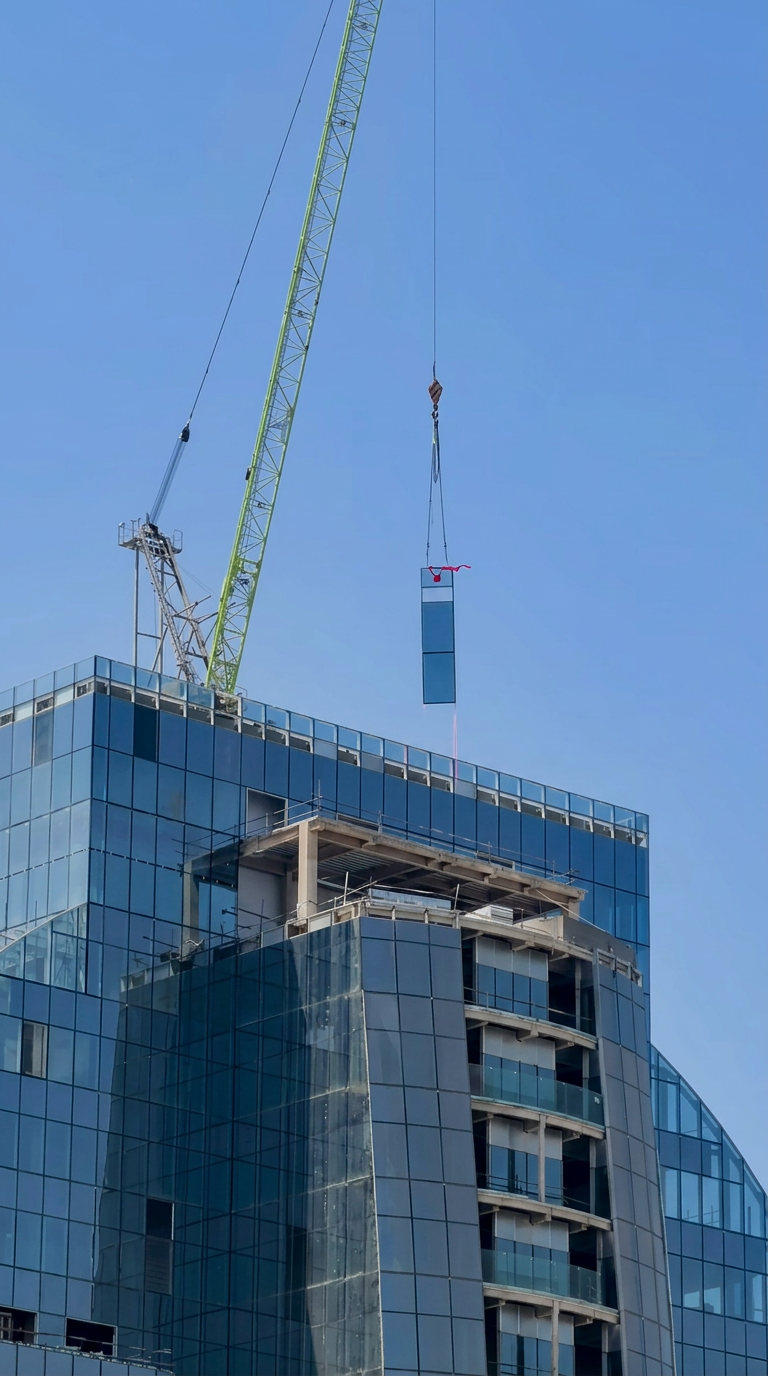
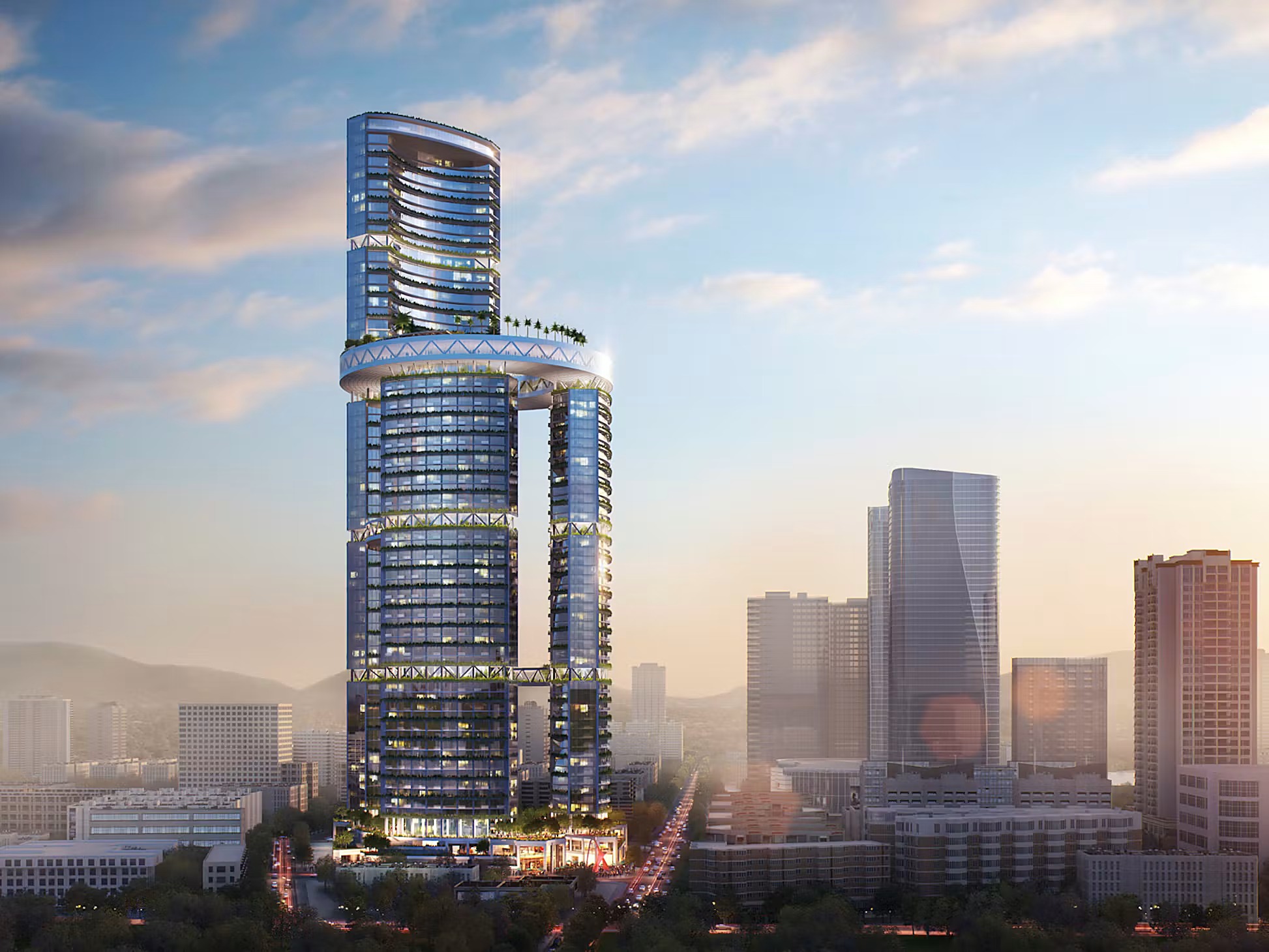
This shift is particularly visible in Dubai's Business Bay, where Al Habtoor Tower embodies the new vertical urbanism. Rather than treating the tower as a standalone statement, the project reads as a layered neighbourhood stacked above the Sheikh Zayed Road corridor — a place where residential, hospitality and service programmes are woven into one highly serviced envelope.
The Sheikh Zayed Road corridor is being rewritten by a generation of ultra-slender residential and mixed-use towers. Al Habtoor Tower sits within that lineage, but its significance lies less in sheer height than in density of programme. Vertical circulation, lobby experience, amenity floors and views become the real measures of value.
THE ARCHITECTS AND ENGINEERS BEHIND THE TOWER
A tower of this scale is never the work of a single hand. The architecture is by MAK Consultancy & Architects, the design and engineering consultancy appointed for the project, whose work gives the tower its curved glass identity while answering the practical demands of a supertall residential programme.
That ambition is held in check by independent scrutiny. Salama Structural Engineers (SSE) serves as third-party peer reviewer for the tower's geotechnical and superstructure design, working alongside MAK. In supertall construction, ambition is only useful once it has been tested by someone with no stake in the idea.
Delivery sits with China Railway 18th Bureau Group, appointed main contractor in May 2023 for the AED 3.7bn development and selected from a shortlist of three bidders on the strength of a 36-month completion target, technical compliance and a record in mega projects. Below ground, BAUER Group contributes specialist foundation engineering and piling expertise.
Together these teams describe what a landmark tower actually is: not a single vision executed, but architect, peer reviewer, contractor and foundation specialist each holding a distinct responsibility, and each dependent on the others if the building is to rise on time and to standard.
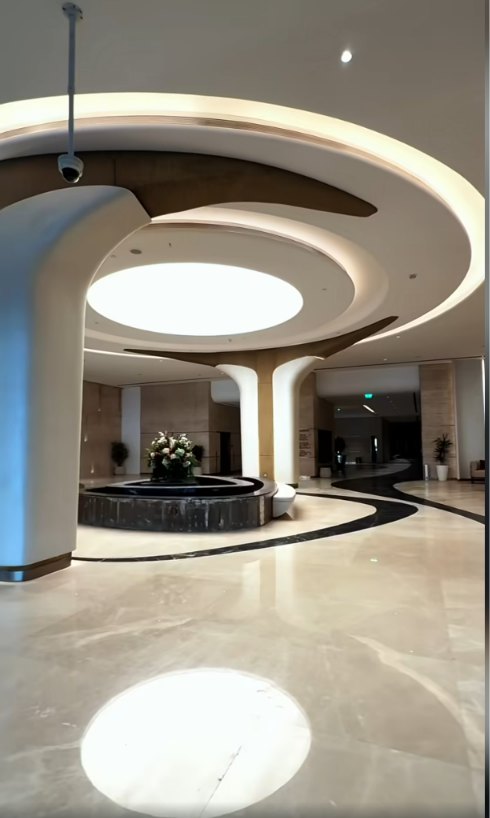
The next generation of towers will be judged differently. How efficiently does the building use energy? How does it manage heat? How does it create community? How does it connect with the city below? How adaptable is its interior? And perhaps most importantly: does height alone still create value?
The answer increasingly appears to be no. The new landmark tower must combine engineering, architecture, hospitality, technology and human experience. Al Habtoor Tower is a case study in that convergence: a single address that functions as residence, destination and piece of urban infrastructure at once.
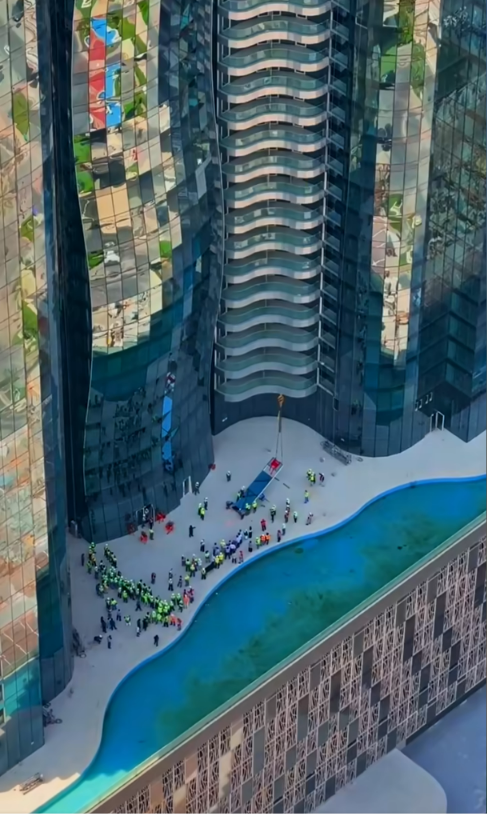
The skyline is no longer simply a competition in metres. It is becoming a competition in intelligence — and in how well a tower integrates with the life of the city around it.