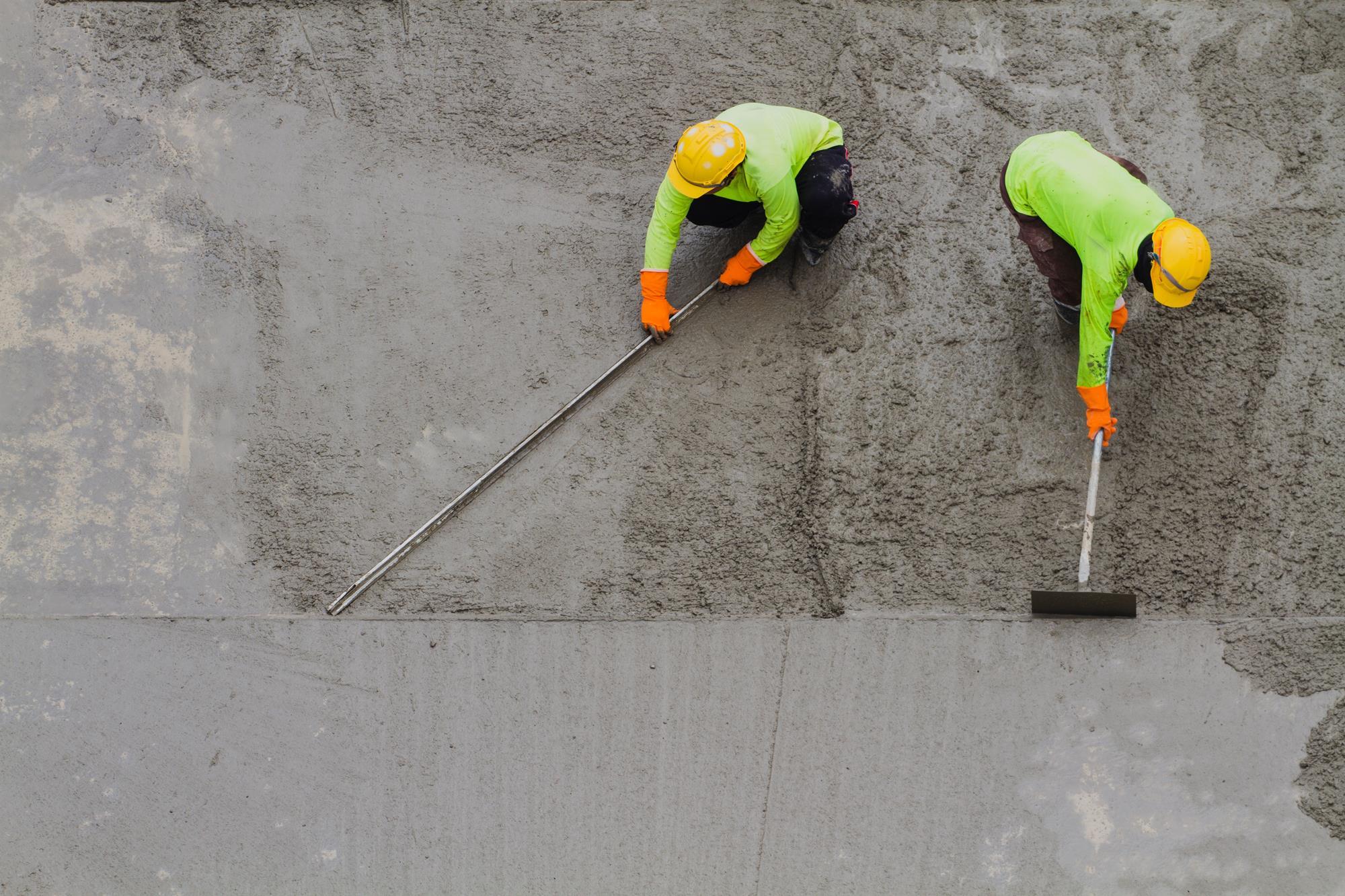
Image: Concrete placement and finishing on site — WAAR editorial archive
Concrete Has a Carbon Problem: Can Material Innovation Reinvent the World's Most Important Building Material?
WAAR Editorial · 2 min read
Modern civilisation is built on concrete.
Cities, bridges, towers, airports and infrastructure all depend upon it. But concrete's extraordinary usefulness comes with an environmental cost, making the search for lower-carbon alternatives one of construction's defining challenges.
The industry is responding with a rapidly expanding palette of technologies: alternative binders, supplementary cementitious materials, recycled aggregates and other lower-carbon approaches.
Recent research examining low-carbon construction pathways reports substantial potential carbon reductions from alternative cementitious systems, engineered timber, bamboo and recycled materials, while also highlighting the engineering and logistical trade-offs involved.
The future therefore isn't necessarily about abandoning concrete.
It is about reinventing it.
The next generation of architects and developers will increasingly ask not simply:
What does this material cost?
They will ask:
What did it cost the planet to make?
Embodied carbon is becoming an increasingly important design and investment consideration.
Materials are no longer invisible components of architecture.
They are becoming part of the building's story—and part of its value proposition.